
|
Getting your Trinity Audio player ready...
|
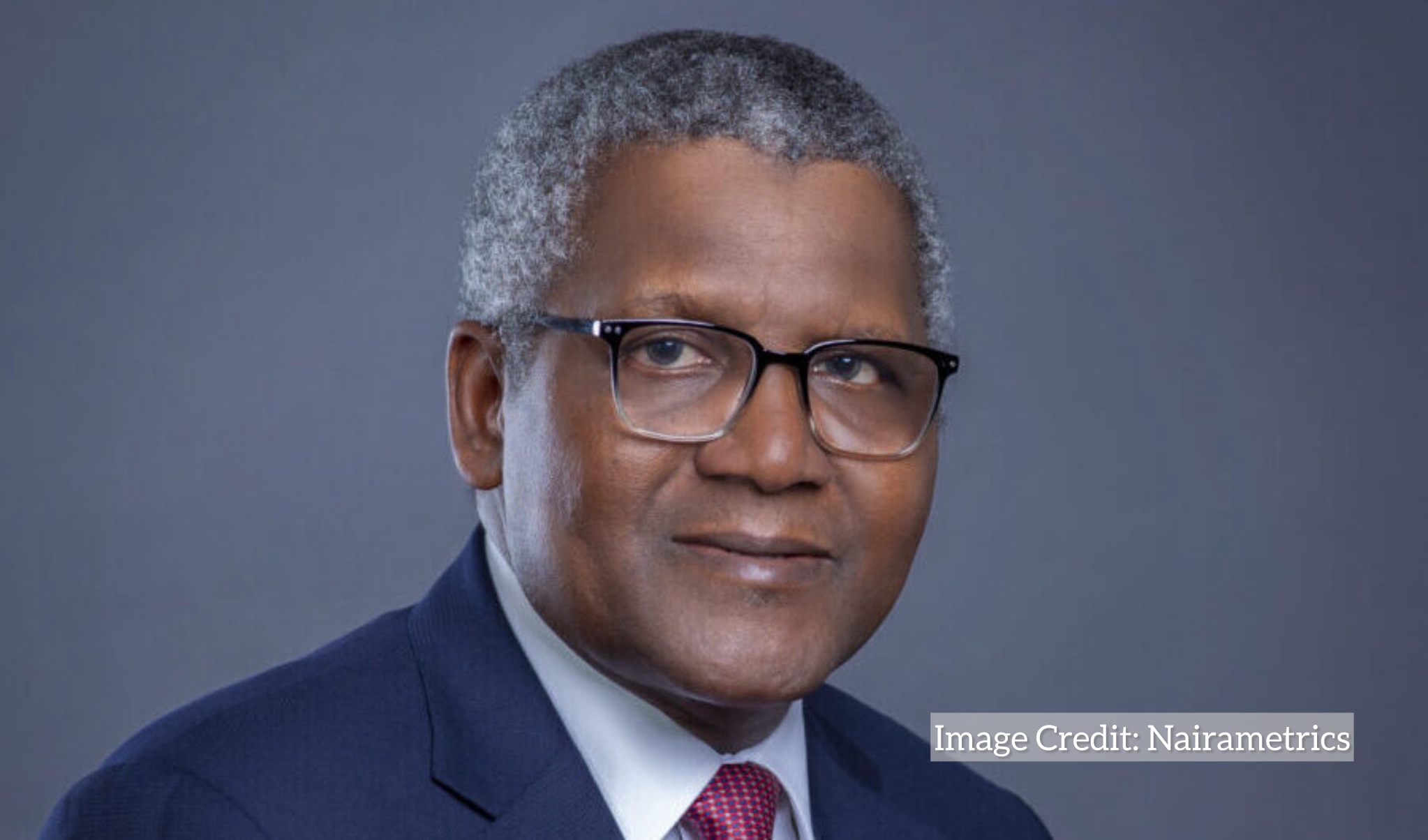
Aliko Dangote, the founder and Chief Executive Officer of the Dangote Group, has raised serious concerns over the role of international oil traders in frustrating the development and smooth operation of oil refineries across Africa. Speaking at the West African Refined Fuel Conference held in Abuja an event co-hosted by the Nigerian Midstream and Downstream Petroleum Regulatory Authority (NMDPRA) and S&P Global Commodity Insights, Dangote alleged that powerful foreign interests are deliberately obstructing the establishment of refining infrastructure on the continent to protect their own commercial dominance in the fuel supply chain. According to him, any attempt to innovate or reform Africa’s refining industry is perceived as a threat to these entrenched interests, prompting aggressive pushback.
Dangote pointed to the offshore Lomé floating market, where more than a million tonnes of petroleum products are stored in vessels and sold to African countries at inflated prices. He claimed that this system is designed specifically to discourage local refining efforts, thereby keeping the continent reliant on expensive imports.
“When you build a refinery and disrupt that system, you are not just innovating, you are threatening powerful interests,” Dangote said.
He warned that without committed political will and support, it would be extremely difficult to establish new, large-scale refining projects in sub-Saharan Africa.
Beyond market manipulation, Dangote also condemned the growing trend of dumping low-quality and sometimes toxic petroleum products in African markets. These fuels, often blended with discounted Russian crude under international price caps, are imported at artificially low prices and severely undercut the cost of locally refined products, which are based on full-market crude prices. He noted that many of these substandard products would not meet regulatory standards in Europe or North America, yet continue to be sold across African countries due to weak enforcement and limited refining options.
Using Nigeria’s transformation in the cement sector as a model, Dangote highlighted the potential for Africa to achieve energy self-sufficiency if it invests in refining capacity. He noted that Nigeria grew its cement production from just 2 million tonnes per year to over 50 million tonnes, becoming a net exporter within a decade. Dangote Group now aims to replicate this success in the energy sector. With Nigeria now exporting refined petroleum products, polypropylene, and urea, he said, the group is also producing 2,500 tonnes of LPG per day and promoting domestic usage of cleaner energy in homes. The refinery is expected to be listed on the stock exchange in the near future, allowing ordinary Nigerians to become stakeholders in this strategic asset.
Concluding his remarks, Dangote called for unity among African governments, investors, and institutions to overcome the systemic barriers imposed by external actors.
“Africa must refine all the petroleum products it consumes right here on African soil,” he emphasized.
He reiterated that regional cooperation, policy alignment, and firm political backing are crucial to creating a resilient, independent, and economically sustainable refining industry across the continent. His vision aims to break Africa’s long-standing dependency on foreign fuel supplies and unlock the continent’s full industrial and economic potential.
Source: Premium Time Nigeria