
Sky and Soil: Africa Plots a New Course for Tourism and Air Transport
Written By Maxine Ansah

|
Getting your Trinity Audio player ready...
|
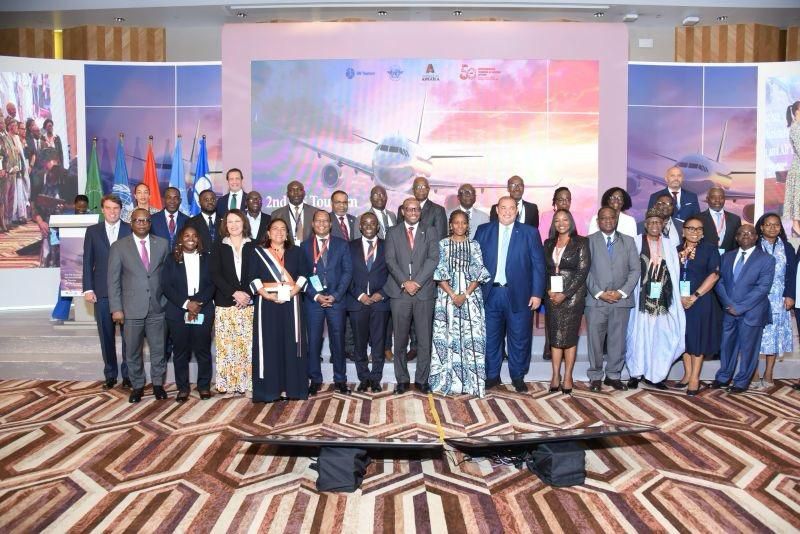
The future of Africa’s economic growth could soon travel on wings and rest on welcoming shores. At the second UN Tourism and ICAO Ministerial Conference on Tourism and Air Transport in Africa, held in Luanda, Angola, ministers and industry leaders made a strong and united call: it is time to deepen cooperation between aviation and tourism to unlock the continent’s full potential.
Jointly organised by UN Tourism, the International Civil Aviation Organization (ICAO) and the Government of Angola, the three-day event gathered over 300 international delegates under the theme “Accelerating Synergies for Resilient and Sustainable Growth”. The conference aimed to bring two of Africa’s fastest-growing sectors closer together. Both tourism and air transport are recognised as crucial for job creation, regional mobility and driving innovation.
In his opening remarks, UN Tourism Secretary-General Zurab Pololikashvili described tourism and air transport not merely as engines of growth but as pathways to empowerment and opportunity.
“Through strategic leadership and innovation, Africa’s potential can become its reality,” he noted,
while urging decisive policy actions to break down barriers hindering progress.
Angola’s Minister of Tourism, H.E Daniel Marcio, reflected the country’s pride in hosting the event, framing it as an important step towards positioning Angola as a regional hub for dialogue and development.
“Tourism is a key pillar of our national strategy for inclusive development, job creation and cultural promotion,” he said.
H.E Mr Ricardo de Abreu, Angola’s Minister of Transport, highlighted the need for modern, efficient and inclusive air transport systems, stressing that improving connectivity across Africa is critical to unlocking broader economic growth. ICAO Council President Salvatore Sciacchitano also praised the collaborative spirit, stating,
“Tourism and aviation must grow hand in hand. Through shared vision and policy coherence, we can drive sustainable development and ensure no country is left behind.”
Reform, Investment and Regional Collaboration
A strong theme running through the Luanda Conference was the need for practical action. Delegates agreed that deeper alignment of aviation and tourism policies is vital to unlock the continent’s promise. Priorities included open skies agreements, cohesive infrastructure planning and boosting public-private partnerships.
Attention was also given to simplifying visa processes, creating longer-validity multi-entry visas and launching joint destination marketing campaigns. Experts underlined that promoting intra-African tourism can create resilient, year-round demand that benefits local economies and communities.
The event featured technical sessions on innovation, connectivity and investment. Discussions explored how digital platforms and artificial intelligence could transform service delivery, as well as how the African Continental Free Trade Area (AfCFTA) and Single African Air Transport Market (SAATM) could help harmonise regulations and expand regional mobility.
Towards a Shared Vision
The ministerial sessions concluded with the adoption of the Luanda Ministerial Statement, outlining a collective commitment to a seamless and integrated travel ecosystem across Africa. Among its key pledges were:
- Modernising tourism and aviation infrastructure with public and private investment
- Strengthening partnerships with international and African institutions such as IATA, AFRAA and AFCAC
- Reforming visa policies to make travel simpler and more affordable
- Promoting intra-African tourism through joint marketing and collaboration with the private sector
- Empowering youth and women with training, entrepreneurship programmes and educational initiatives
The conference came at a moment of renewed optimism for African tourism. The continent recorded 74 million international arrivals in 2024, a 7 percent increase over 2019 and 12 percent higher than in 2023, highlighting the sector’s resilience and growing global appeal.
By connecting sky and soil, Africa’s leaders are setting a bold course that aims not only to boost numbers but to create meaningful opportunities and shared prosperity for millions across the continent.