

|
Getting your Trinity Audio player ready...
|
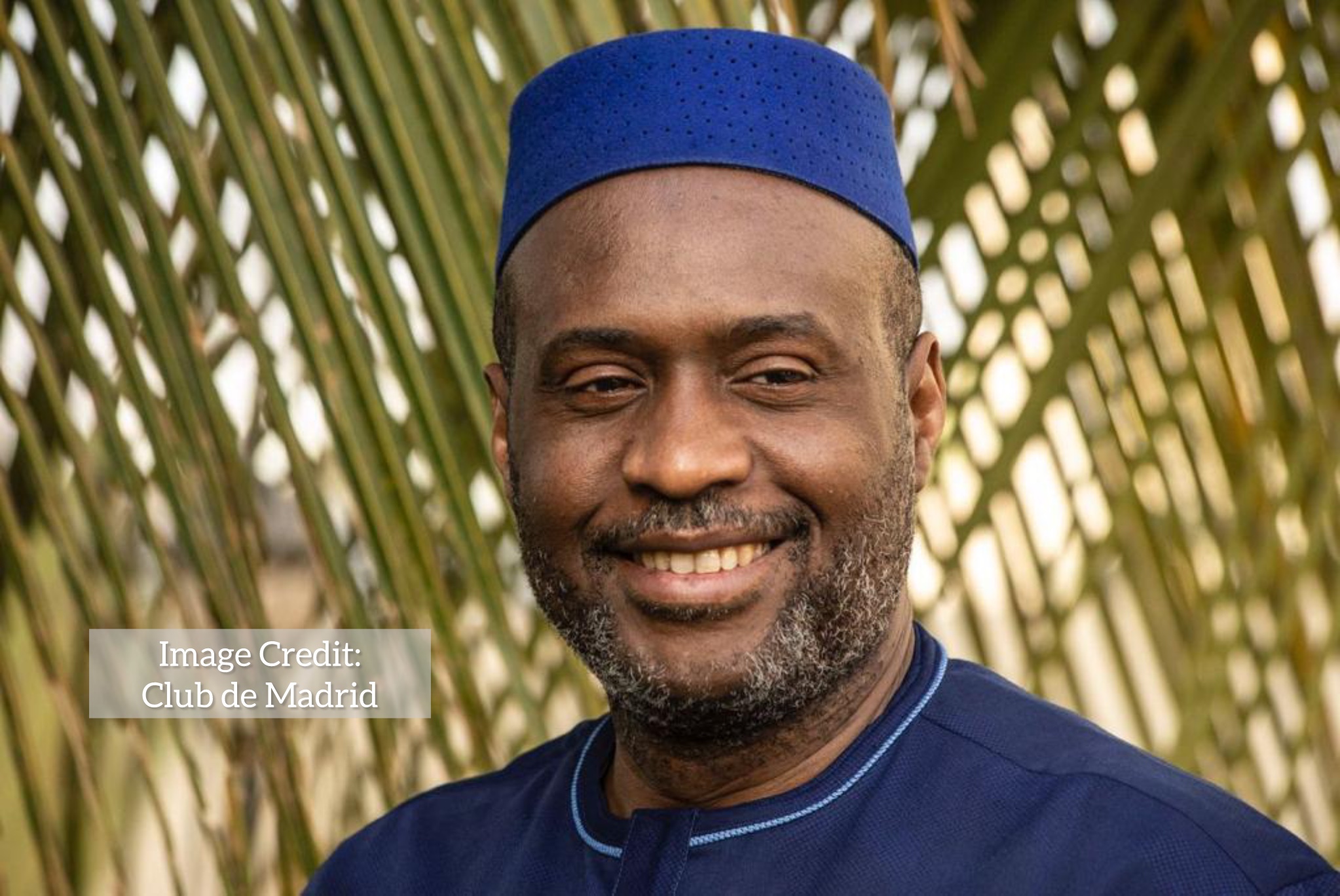
Former Malian Prime Minister Moussa Mara who led the country from April 2014 to January 2015 was placed in pretrial custody after a post on the social-media platform X expressing solidarity with pro-democracy detainees was deemed criminal by the military regime in Bamako .
In his message dated July 4, Mara wrote that he had visited several detained figures, referring to them as “prisoners of conscience”, and vowed that “as long as the night lasts, the sun will inevitably rise”, pledging “to fight by all means to make that happen as soon as possible” to ensure “the flame of hope never fades in them”.
Authorities summoned Mara twice to the national cybercrime unit in Bamako, and he was formally charged with “undermining the credibility of the state,” opposing legitimate authority, inciting public disorder, and spreading false information, charges Muslim lawyers say are intended to silence dissent ahead of his trial set for September 29, 2025.
His arrest comes amid a broader political tightening orchestrated by General Assimi Goïta, who seized power following coups in 2020 and 2021, and in May 2025 oversaw the dissolution of all political parties. A month later, Mali’s transitional legislature granted Goïta a renewable five‑year presidential term, bypassing any public election.
Moussa Mara stands out as one of the few high-profile voices continuing to critique a government that promised a return to civilian rule by March 2024, a promise which remains unfulfilled as political freedoms tighten and the civilian transition remains postponed.
Human rights advocates fear Mara’s prosecution is intended to establish a chilling precedent: expressing moral support for political prisoners now constitutes a criminal offense in Mali’s shifting legal landscape. His legal team has denounced the proceedings as politically motivated and vowed to challenge them through all available channels.
The case against Mara is likely to be viewed as a benchmark of Mali’s shrinking democratic space. International observers argue that if phrases like “solidarity with prisoners of conscience” become prosecutable, civic discourse and public criticism of authority may increasingly fall under the purview of the country’s Cybercrime Suppression Act of 2019.
As the trial date approaches, Mali’s fragile political equilibrium is under pressure: a constitutional transition process that has largely stalled, no scheduled elections, and former senior leaders facing jail time for peaceful remarks. How courts navigate this will raise fundamental questions about whether law enforcement is protecting public order or suppressing dissent.