

|
Getting your Trinity Audio player ready...
|
A harrowing murder case unfolding in South Africa’s Limpopo province has sparked widespread public outrage and reignited debates over race relations, land ownership, and justice in the country. The trial involves the brutal killing of two Black women, Maria Makgato (45) and Lucia Ndlovu (34), who were reportedly searching for food when they were shot and killed on a private farm near Polokwane in 2024.
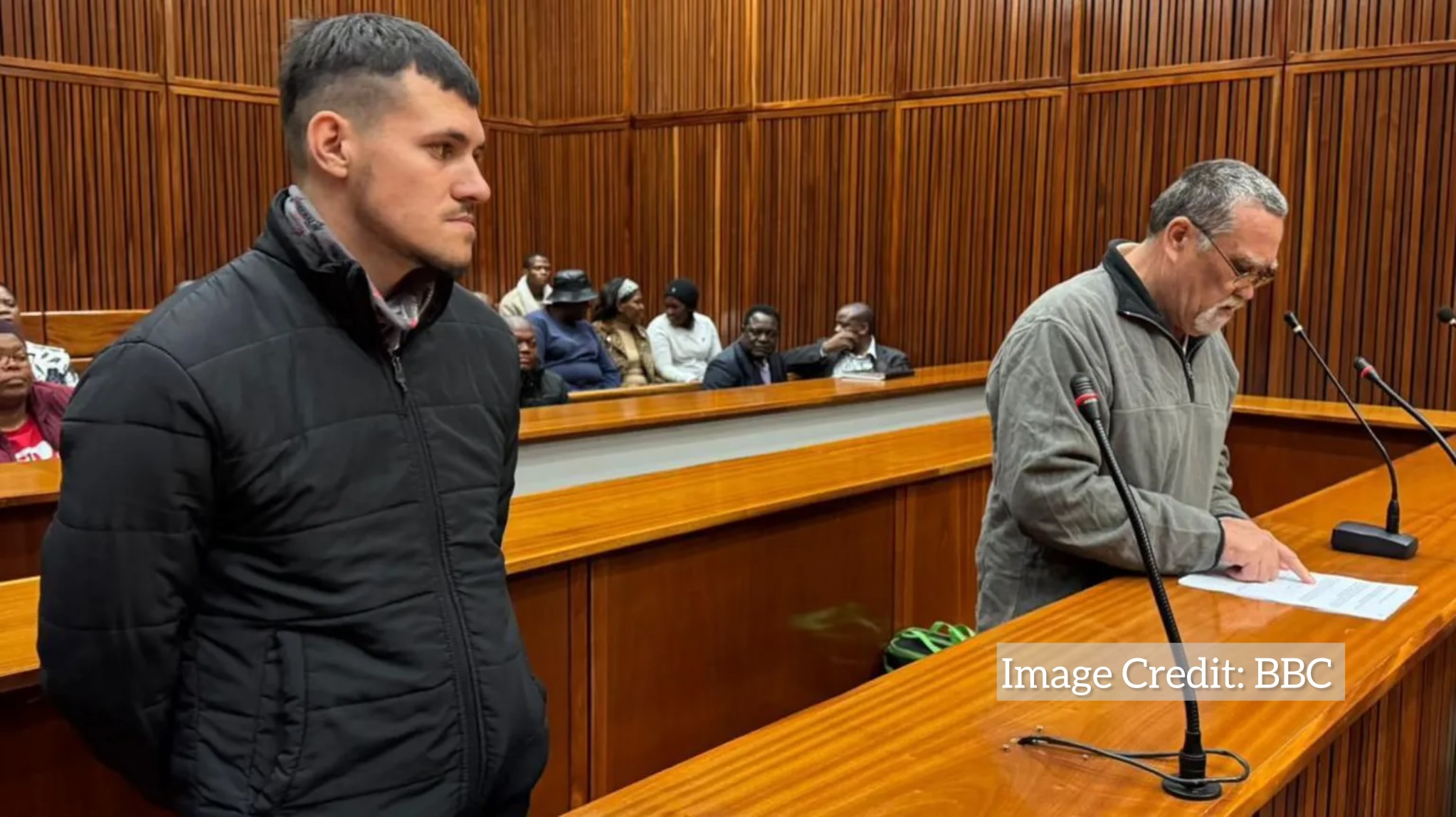
One of the accused, 20-year-old Adrian de Wet, a white farm supervisor, claims he was forced to dispose of the victims’ bodies by feeding them to pigs. De Wet is among three men facing charges in connection with the deaths. However, he has since turned state witness, alleging that the farm owner, Zachariah Johannes Olivier, was the one who shot the women and pressured him into helping conceal the crime.
According to court submissions, Ms. Makgato and Ms. Ndlovu had entered the farm in search of discarded dairy products reportedly intended for animal feed. It was during this attempt to secure food that they were confronted and allegedly killed. Prosecutors say De Wet, under severe duress, was then made to throw the women’s bodies into the pigsty as a means of destroying evidence.
De Wet’s cooperation with authorities may result in dropped charges if his testimony is accepted by the court. Legal representatives from both the prosecution and defense have confirmed his version of events, which includes detailed claims of coercion.
The accused individuals face a range of charges, including two counts of murder, attempted murder for allegedly shooting at Ms. Ndlovu’s husband who was present during the incident, illegal possession of a firearm, and obstruction of justice. One of the accused, identified as Mr. Musora, a Zimbabwean national, is also being charged under South Africa’s Immigration Act due to his undocumented status.
The case has stirred deep anger throughout South Africa, drawing attention to persistent inequalities and racial divisions that continue to plague the agricultural sector. While apartheid officially ended over three decades ago, the majority of farmland remains under white ownership, and many Black workers remain marginalized and underpaid. These conditions have fueled tensions in rural communities, where economic desperation and historical grievances often collide.
The Limpopo High Court, where the trial is taking place, has been filled with emotional supporters and relatives of the deceased. Also in attendance was Mr. Olivier’s wife, who appeared visibly distressed during the proceedings. Political representatives from the opposition Economic Freedom Fighters (EFF) party, who have previously demanded that the farm be shut down, were also present to show solidarity with the victims’ families.
The trial, which has drawn national attention, was postponed and is expected to resume next week. The outcome will be closely watched, not only for its legal consequences but also for what it might reveal about broader social dynamics in post-apartheid South Africa.
Source: BBC Africa