

|
Getting your Trinity Audio player ready...
|
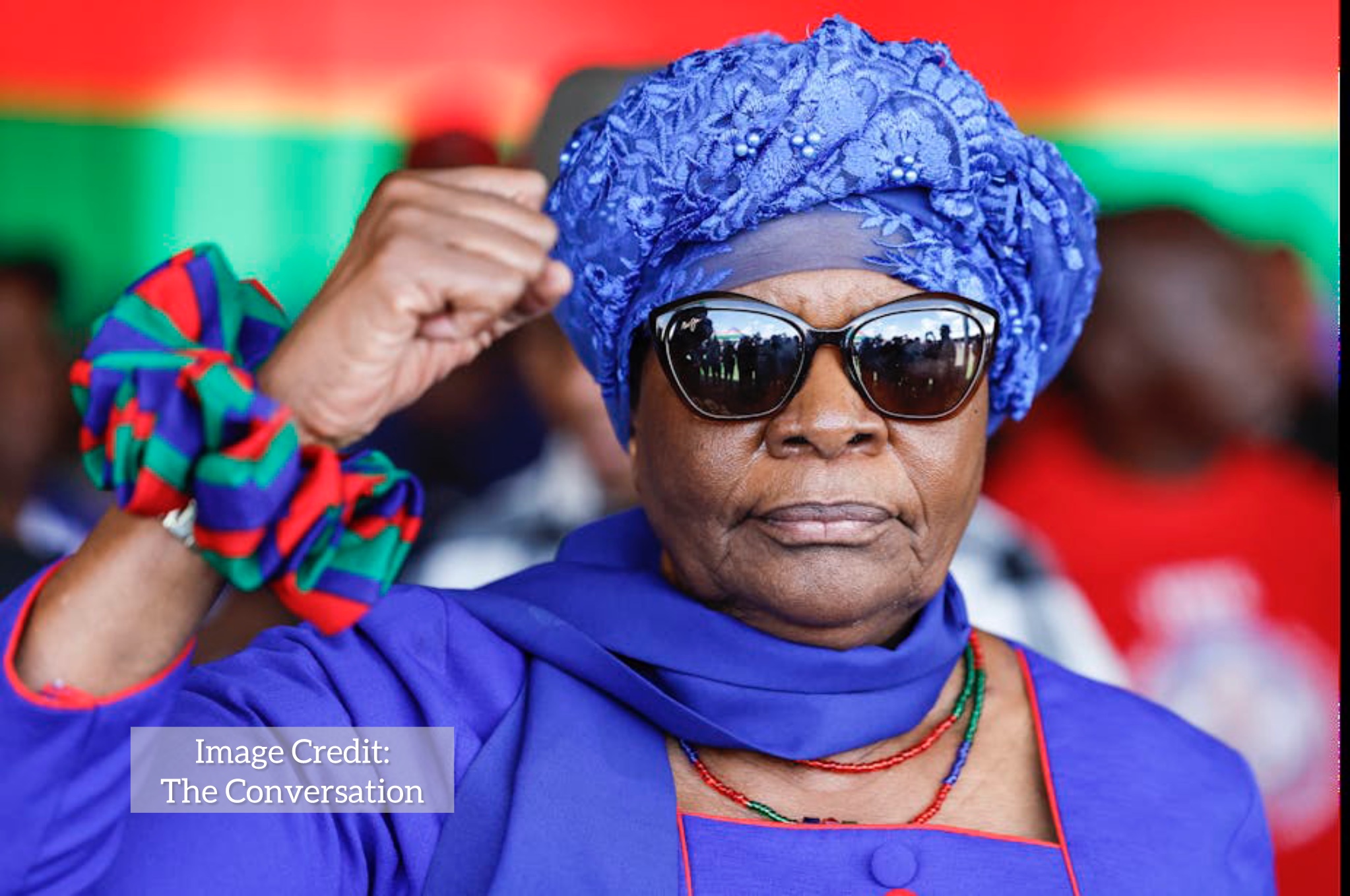
Namibian President Netumbo Nandi-Ndaitwah has renewed calls for reparative justice as a means to address the longstanding injustices suffered by African women under colonialism, slavery, apartheid, and systemic exploitation. Her remarks came during a keynote address at the 63rd Pan-African Women’s Day celebrations, held in the nation’s capital on Saturday.
Speaking to a diverse audience gathered to commemorate decades of African women’s resilience and activism, President Nandi-Ndaitwah emphasized the disproportionate impact historical atrocities have had on African women and communities. She described reparations not just as a moral responsibility, but as a practical necessity to redress deep-rooted socio-economic inequalities.
“Women are often the first to suffer during periods of conflict and oppression, and the last to recover,” she said. “From limited access to education and healthcare to enduring gender-based violence and economic marginalization, the scars of our past continue to affect African women today. We cannot speak of justice without addressing these wounds.”
Namibia’s Push for Reparative Justice
The President highlighted Namibia’s own journey toward reparative justice, pointing to a pivotal moment 19 years ago when the country’s Parliament passed a motion demanding recognition and reparations from Germany for colonial-era atrocities. Between 1904 and 1908, Germany carried out what is widely recognized as the first genocide of the 20th century against the Herero and Nama people in Namibia. Since then, Namibian authorities, in consultation with descendants of affected communities, have been engaged in complex negotiations with the German government.
“These conversations are not just about compensation; they are about recognition, dignity, and rebuilding futures,” Nandi-Ndaitwah explained. “Reparative justice is about ensuring African women are no longer left behind.”
Broader Regional Commitments
The President also used the occasion to reaffirm Namibia’s solidarity with other African struggles, notably expressing firm support for the Saharawi people and their fight for self-determination in Western Sahara. She urged the United Nations to act decisively by implementing long-standing resolutions supporting Saharawi independence.
Additionally, Nandi-Ndaitwah called for strengthened advocacy by women’s organizations, emphasizing the urgent need for the ratification and enforcement of gender equity frameworks developed by the African Union. She underscored the significance of youth mental health and peace-building as essential components in fostering a just and equitable society.
Celebrating Pan-African Women’s Day
Pan-African Women’s Day, marked annually on July 31st, honors the founding of the Pan-African Women’s Organization in 1962. Today, the organization operates as a specialized agency within the African Union, championing the rights and welfare of women across the continent.
This year’s celebration in Windhoek served as both a reflective and forward-looking platform, highlighting not only the strides made by African women but also the challenges that persist. With global movements gaining traction around justice, reparations, and gender equity, President Nandi-Ndaitwah’s message resounded with clarity and conviction: the time for action is now.
As calls for reparative justice grow louder across the continent, Namibia’s leadership signals a determined push toward healing, accountability, and inclusive development for all Africans—especially women who have long borne the weight of history’s injustices.