
Hope Among the Mango Trees: A Sanctuary for Survivors in South Sudan
Written By Maxine Ansah

|
Getting your Trinity Audio player ready...
|
In the western Bahr el Ghazal region of South Sudan, beyond the hum of daily life in the town of Wau, a quiet shelter stands beneath a canopy of mango trees. From a distance, it resembles a modest home. Colourful toys dot the ground, and a few swings sway gently in the dusty breeze. But within its compound, this place serves a purpose far more urgent than play. It is a safe house, a sanctuary for women and girls who have survived the torment of gender-based violence.
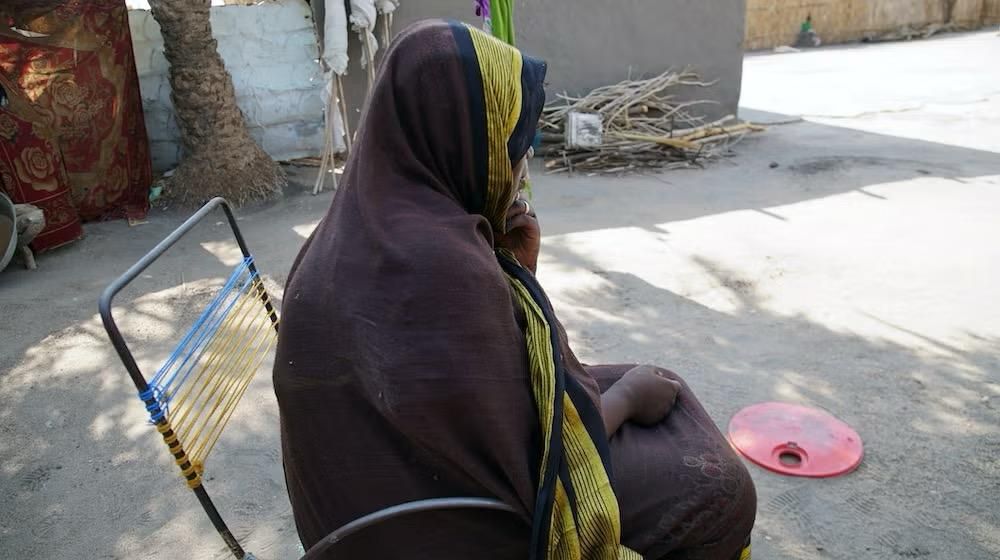
One of those survivors is Fatuma*, a young girl who was married off before her childhood had even begun. Beaten and left for dead by her husband, she eventually sought refuge at the shelter. Her voice, though quiet, bears the weight of generations of trauma.
“I was beaten and left to die,” she recounted. Her family, bound by custom and a bride price paid in cattle, refused to intervene. “My partner’s family always reminded me about the cows they gave to my family. That was the price of my silence.”
In many communities across South Sudan, girls like Fatuma are treated as commodities, exchanged in marriage negotiations that often have little regard for their rights or wellbeing. Child marriage remains pervasive, with over half of South Sudanese women aged 20 to 24 having been married before turning 18. These unions frequently result in early pregnancies, dangerous childbirth complications and lost opportunities for education and personal growth.
But the dangers for women and girls in South Sudan extend beyond forced marriage. The country’s ongoing crises, conflict, displacement, climate shocks and entrenched patriarchal norms, have created a perfect storm for abuse and exploitation. The home, a place where safety should be guaranteed, is often where the greatest harm occurs.
At the same shelter in Wau, a six-year-old girl is recovering from severe burns inflicted by her stepmother. She had been left to die but was rescued in time. Her story is a stark reminder of the cruelty that continues to unfold in silence behind closed doors.
Funded by the United Nations Population Fund (UNFPA) and the Government of Switzerland, the safe house in Wau is one of the few lifelines available to survivors. It offers not just physical safety but also access to medical care, psychosocial support and legal assistance. Perhaps most importantly, it provides a community that listens without judgement and believes in recovery.
Yet even as the need for such services grows, funding is dwindling. Around the world, resources for protection services against gender-based violence are being stretched thin. In South Sudan, where humanitarian crises are often neglected by the international community, the threat of funding cuts could have devastating consequences.
UNFPA is urging the global community to respond not only with compassion but with concrete action. Initiatives like the 2gether4SRHR programme, which delivers sexual and reproductive health services, gender-based violence protection and rights advocacy, must be sustained if survivors are to rebuild their lives.
The shelter beneath the mango trees stands as a symbol of both tragedy and resilience. For Fatuma and countless others, it represents a chance to heal, to reclaim agency and to imagine a life free from violence. Until peace and safety become a reality for all women and girls in South Sudan, these sanctuaries must continue to exist. They are not just shelters. They are the frontlines of hope.
*Names have been changed for privacy and protection.