

|
Getting your Trinity Audio player ready...
|
South Africa is bracing for a severe economic shock as new US tariffs, introduced on Thursday, come into force. The sweeping trade measures, imposed by President Donald Trump, target dozens of countries, but South Africa is among those most heavily affected, facing levies of up to 30 percent on key exports and potential job losses approaching 100,000.
The tariff increases form part of Washington’s broader strategy to reshape global trade agreements in ways the US administration believes will be more advantageous to its economy. For South Africa, whose major exports to the US include cars, steel, and citrus, the new duties present a significant threat, particularly at a time when the domestic economy is already under strain.
Failed Negotiations and Rejected Offers
Pretoria had spent months attempting to avert the tariffs through negotiations, offering to purchase US liquefied natural gas and invest approximately $3.3 billion (€2.8 billion) in American industries in exchange for reduced duties. Despite these proposals, and a last-minute attempt to sweeten the deal, the US rejected the overture.
Trade and Industry Minister Parks Tau acknowledged the difficulty of the talks, calling them “unprecedented” and stressing the need to focus on mitigating the economic fallout rather than placing blame. Foreign Minister Ronald Lamola also appealed for national unity, emphasising that the challenge is not unique to South Africa but part of a wider global trend.
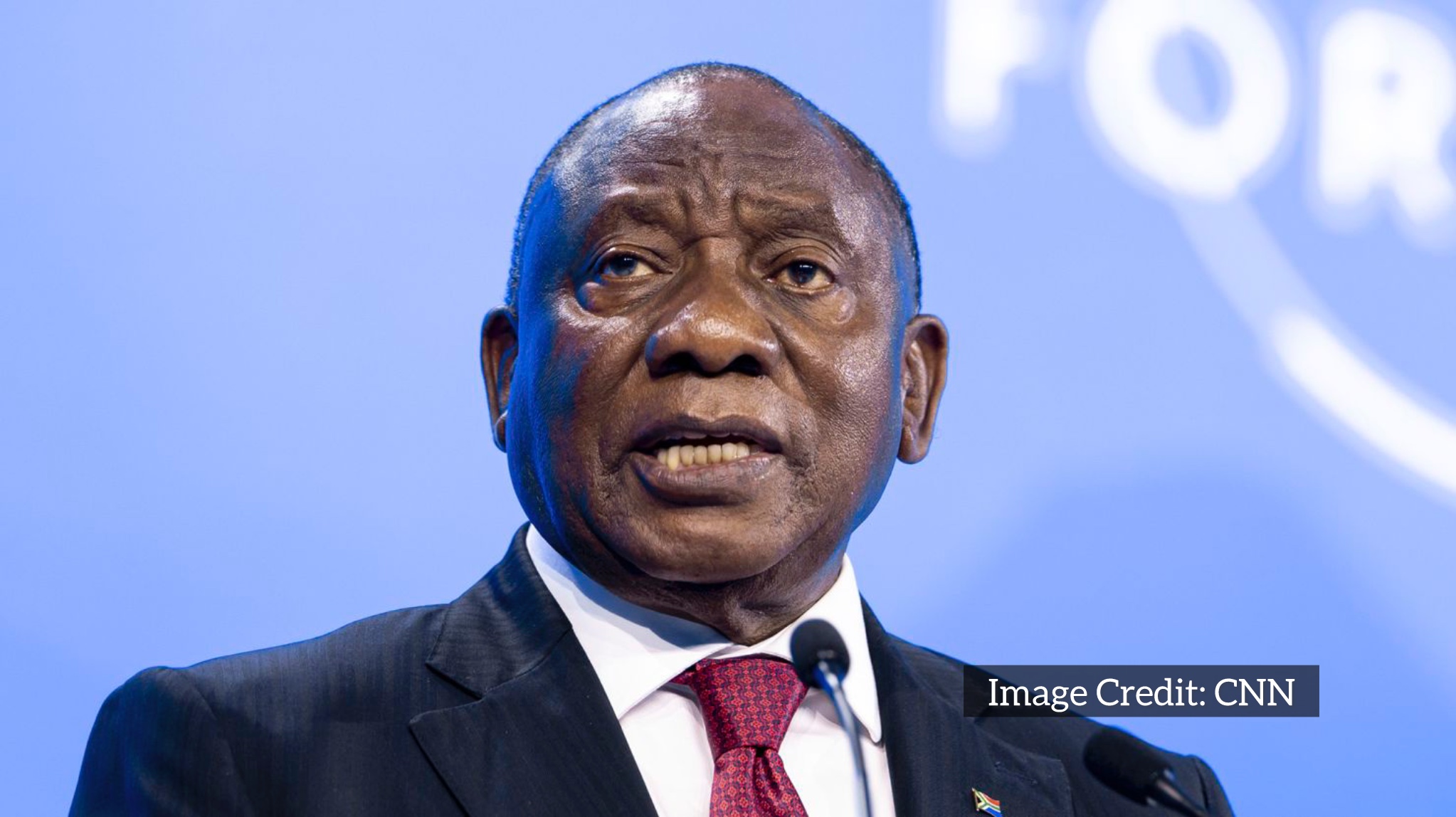
President Cyril Ramaphosa has pledged government action to reduce the impact of the tariffs.
Emergency Support Measures Announced
In response, the South African government has launched a producer support programme to help exporters identify and penetrate new markets. Willem van der Spuy, head of exports at the Department of Trade, Industry and Competition (DTIC), said the initiative aims to reduce over-reliance on a handful of major trade partners.
The DTIC has also established an Export Support Desk to guide affected businesses. Minister Tau described these measures as critical for safeguarding jobs in industries ranging from automotive manufacturing and agro-processing to steel production and chemicals.
“We are working with urgency and determination to implement real, practical interventions that protect employment and strengthen South Africa’s competitive position in a rapidly changing global trade environment,” Tau said.
Potential Job Losses and Sectoral Impact
Lesetja Kganyago, governor of the South African Reserve Bank, warned that the tariffs could threaten up to 100,000 jobs. With the country’s unemployment rate already hovering around 33 percent, such losses could deepen existing economic challenges.
The US remains South Africa’s second-largest trading partner after China. Top exports include vehicles, iron and steel products, and agricultural goods. The agricultural sector, especially citrus farming, is expected to be particularly hard hit. Kganyago noted that crops such as citrus fruit, table grapes, and wines are among the most vulnerable.
For farmers in Citrusdal, 200 kilometres north of Cape Town, the stakes are high. “At the moment, it’s about 25 to 30 percent of our business,” said Gerrit van der Merwe, who runs a 1,000-hectare orange farm. About 6 to 8 percent of South Africa’s citrus harvest has traditionally been shipped to the US, benefiting from duty-free access under the African Growth and Opportunity Act (AGOA), a privilege now set to expire.
Political Tensions Add to Trade Pressures
The trade dispute is unfolding against a backdrop of diplomatic strain between Pretoria and Washington. US displeasure over South Africa’s decision to bring a genocide case against Israel before the International Court of Justice has further soured relations.
South Africa currently holds the presidency of the G20 and is scheduled to host the first G20 leaders’ summit on African soil in November 2025. Officials had anticipated Trump’s attendance, but he has recently indicated he may skip the event due to his dissatisfaction with South Africa’s foreign policy.
Foreign Minister Lamola noted that while disagreements with the US have been frequent over the past three decades, formal diplomatic channels have typically remained open. He acknowledged, however, that relations have “reached a low point.”
As Pretoria scrambles to mitigate the economic consequences of the tariffs, the coming months will test both the resilience of South Africa’s export sector and its ability to navigate increasingly complex global trade and political dynamics.
Credit: RFI