
From Dream to Danger: Africa Joins Global Fight Against Child Trafficking in Sport
Written By Maxine Ansah

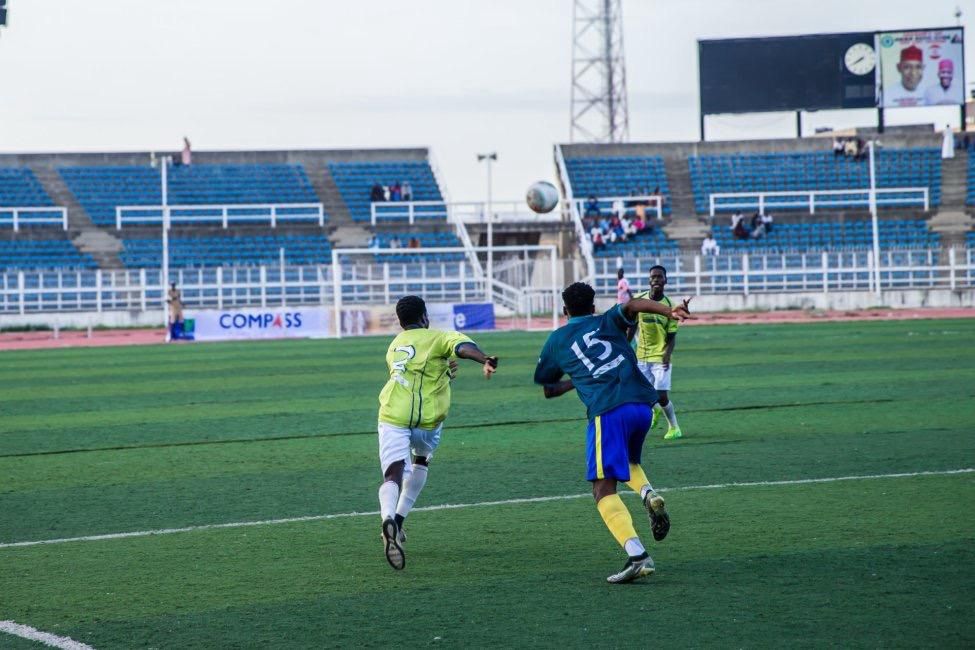
|
Getting your Trinity Audio player ready...
|
The world of sport is often portrayed as a pathway to glory, offering young people the chance to rise from humble beginnings to global recognition. For many African children, this dream is especially powerful. Football, athletics, basketball and other disciplines hold the promise of scholarships, professional contracts and financial stability. However, a disturbing trend is emerging, where traffickers are exploiting that dream, luring vulnerable children into abuse and exploitation under the guise of legitimate sports opportunities.
In response, the International Organization for Migration (IOM) has announced its support for Mission 89’s latest campaign, “The Line We Don’t Cross” – The United Declaration on the Elimination of Child Exploitation in Sport. The initiative seeks to protect children from being trafficked through false sports recruitment promises, a practice that has been growing across continents, including Africa.
The campaign recognises the structural vulnerabilities within the global sports industry, valued at between USD 471 billion and 1.4 trillion, where inadequate safeguarding measures create openings for criminal exploitation. Children from disadvantaged communities, particularly in Africa, are often the most at risk. For families with limited means, the offer of a sports contract or placement in a foreign academy can be irresistible, even when it is a trap.
Lerina Bright, Founder and Executive Director of Mission 89, emphasised that the campaign is about ensuring young athletes can pursue their dreams safely. Ugochi Daniels, IOM Deputy Director General for Operations, stressed that sport should never become a gateway to exploitation. Both leaders call for the integration of safeguarding frameworks into the governance structures of sports institutions, governments and regional bodies.
For Africa, this campaign could be a turning point. The continent has long been a target for sports trafficking, particularly in football, where young boys are promised trials in European clubs only to be abandoned abroad or forced into labour. Girls, too, face risks, particularly in athletics, where coercion, abuse and exploitation have been documented. By promoting ethical recruitment, providing educational resources, and building awareness within communities, the campaign offers African nations a stronger defence against these predatory practices.
The approach is multi-pronged and evidence based. It includes tools such as training materials, educational content, and prevention guides to help stakeholders identify risks early. Importantly, sports federations, clubs, agents, sponsors and policymakers are being urged to sign an integrity commitment affirming zero tolerance for child trafficking in sport.
For over 25 years, IOM has been at the forefront of global counter-trafficking efforts, assisting nearly 100,000 victims worldwide. In Africa, the organisation’s platforms, such as Waka Well, have already been promoting safe migration for youth. This partnership with Mission 89 builds on that experience and aims to protect children not only from cross-border trafficking but also from domestic exploitation linked to sport.
The campaign is also backed by United Through Sports (UTS), a global movement aligned with the Olympics, Paralympics, Special Olympics and over 150 other international partnerships. Such global alliances increase the pressure on sports bodies to prioritise child safety and ensure that governance structures reflect a zero-tolerance approach to trafficking.
For African families, communities and sports enthusiasts, the message is clear. Dreams of sporting glory should never come at the cost of a child’s safety and dignity. By uniting governments, sports organisations, and civil society, Africa can play a leading role in ensuring sport remains a source of hope, pride and opportunity for the next generation.