
Between Resilience and Ruin: Voices from Haiti and the Democratic Republic of the Congo
Written By Maxine Ansah

|
Getting your Trinity Audio player ready...
|
On World Humanitarian Day, the spotlight often falls on the unsung heroes who stand at the frontlines of crisis. Their voices remind us that humanitarian work is not abstract policy or numbers on a report. It is the daily act of navigating danger, heartbreak and fleeting moments of hope. From Haiti to the Democratic Republic of the Congo (DRC), staff of the World Food Programme (WFP) share what it means to live and work in two of the most difficult places on earth.
Haiti: Dawn on a Fragile Land
The road north of Cap-Haitien is still cloaked in darkness when Pedro Rodrigues, a WFP communications officer, sets out with his colleagues. Tap-taps rattle past, filled with Madan Saras, the women traders who keep Haiti’s informal economy alive, heading to the Dominican Republic border to sell their goods.
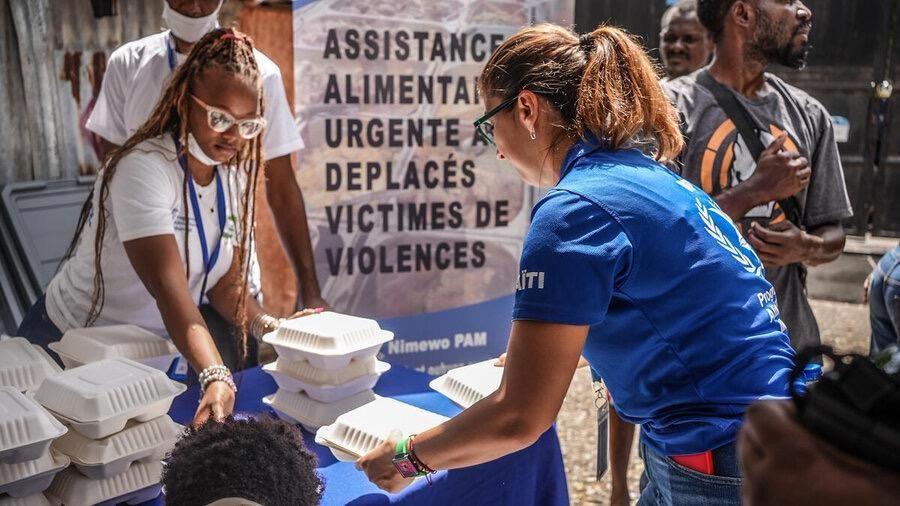
Here, in the north, there is a fleeting sense of normalcy. Yet in Port-au-Prince, where Rodrigues is based, each day is defined by insecurity. Corpses in the streets, armed clashes and neighbourhoods gripped by fear are part of the everyday landscape. For aid workers, even the simple act of delivering food means weighing risks: whether it is safe to enter armed-group territories to reach families who have no other lifeline.
Haiti’s hunger crisis is among the world’s most severe. More than half of the country’s nearly 12 million people do not have enough to eat. And yet, Rodrigues insists Haiti is not only a story of despair. He speaks of farmers cultivating fields, merchants in displaced camps rebuilding their small businesses, and mothers finding ways to keep their children in school.
“I wish more people could see what I see,” he says. “Amid the violence and loss, there is resilience and the will to rebuild. Ordinary Haitians have not given up on their country.”
DRC: A City Falls Overnight
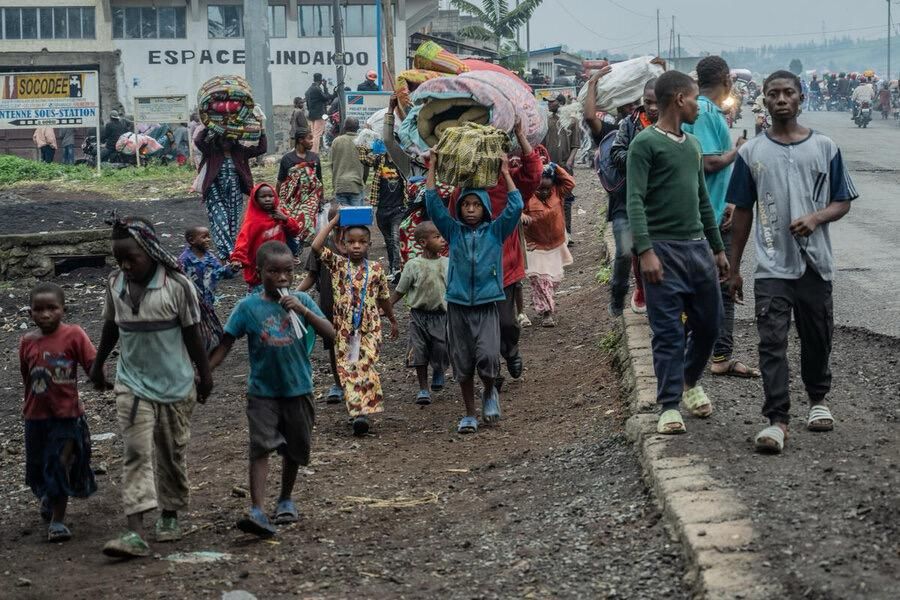
In Goma, eastern DRC, Ben Anguandia still remembers the day everything changed. It was January 2025 when fighters from the M23 armed group swept across North Kivu. Within days, the provincial capital was surrounded, and then it fell. Nearly a thousand people were killed as the city was engulfed in chaos.
“We were told to stay indoors,” Anguandia recalls. “For six days, there were gunshots and explosions at all hours. Food stocks ran low. Outside, bodies lay in the streets. The first two days were the worst. That is when the rebels arrived and the fighting erupted.”
The collapse was swift and devastating. Soldiers abandoned their posts, leaving weapons behind. Looting erupted across neighbourhoods. Humanitarian operations crumbled. WFP warehouses were ransacked, with 9,500 metric tons of food stolen. The displacement camps emptied out as people fled in all directions.
For women and girls, the breakdown of support systems came with an additional layer of risk: gender-based violence in overcrowded and unsafe shelters. For aid workers, it was another painful reminder of a cycle they had lived through before.
“I have seen this before, in 1997, in 2002, in 2004,” says Anguandia. “It never gets easier. Each time, everything collapses overnight, and rebuilding takes years. The hardest part is knowing how fragile it all is.”
Humanity in the Midst of Crisis
Haiti and the DRC could not be further apart geographically. Yet their struggles mirror each other. Both are places where communities endure unimaginable hardship, and where aid workers continue their mission against all odds.
The stories from Rodrigues and Anguandia remind us that behind the headlines are farmers, traders, parents and children who cling to dignity despite relentless adversity. They also remind us that humanitarian workers are not distant outsiders, but part of the same fragile ecosystems, sharing the same risks and the same hopes for a better tomorrow.
On this World Humanitarian Day, their testimonies challenge us not only to witness suffering, but also to recognise resilience and to stand with those who have not given up.