
|
Getting your Trinity Audio player ready...
|
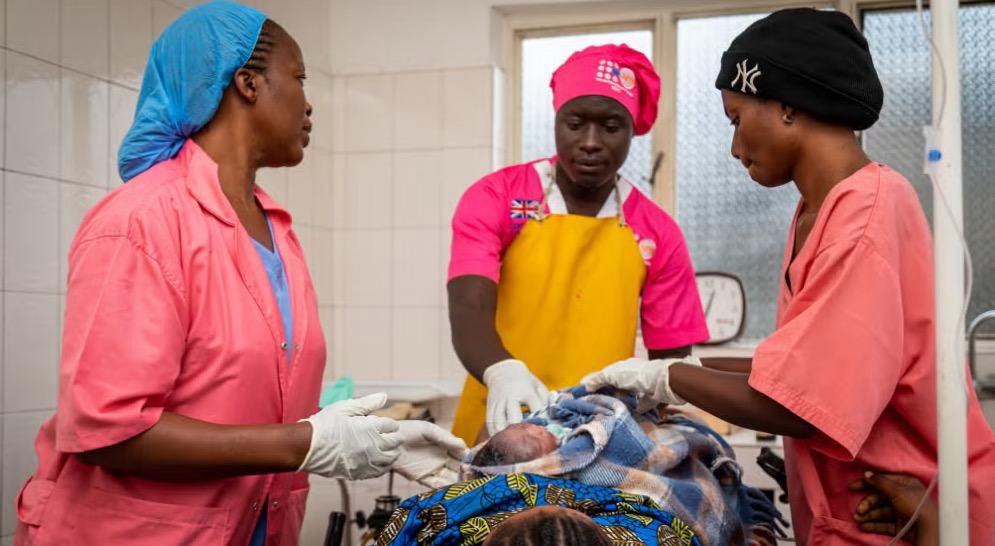
Across Africa, health workers are stepping into danger zones every day to protect mothers, newborns and communities. In Sudan and the Democratic Republic of the Congo, hospitals and clinics have been reduced to rubble. Yet midwives and doctors continue to deliver babies and perform life-saving surgeries under fire.
The deliberate targeting of health and humanitarian workers is not limited to Africa. Across the world, wars are increasingly being fought against the very systems set up to safeguard civilian lives. Hospitals, ambulances, clinics and health workers are now marked targets, a disturbing violation of international humanitarian law.
According to United Nations agencies, attacks on health facilities doubled between 2023 and 2024, while more than 900 health workers lost their lives. Aid workers in crisis zones were killed in record numbers during the same period. Alarmingly, 2025 is already surpassing these dark statistics.
Sudan: Hospitals Reduced to Rubble
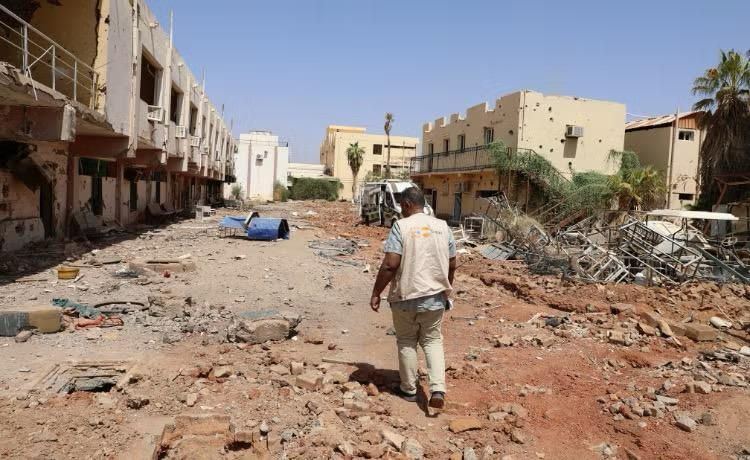
In Sudan, more than 80 per cent of health facilities in conflict zones are now non-operational. The Ibrahim Malik Hospital in Khartoum, once a major provider of emergency and maternal care, lies in ruins.
“I performed my first surgery here, delivered my first baby here. Now I find it like this,” recalled Dr Khalid Badreldin, a reproductive health analyst with UNFPA, standing in what was once a functioning hospital.
Despite the destruction, midwives continue to reach women in their homes at great personal risk. “It was exhausting, working day and night, but it is our duty and I am proud of what we have done,” said Hawaa Ismael, a midwife at the Kararai Health Centre.
At El Fasher Maternity Hospital, attacks have forced staff to work under terrifying conditions. One midwife was killed when her home was shelled, while another was kidnapped.
Democratic Republic of the Congo: Birth Under Fire
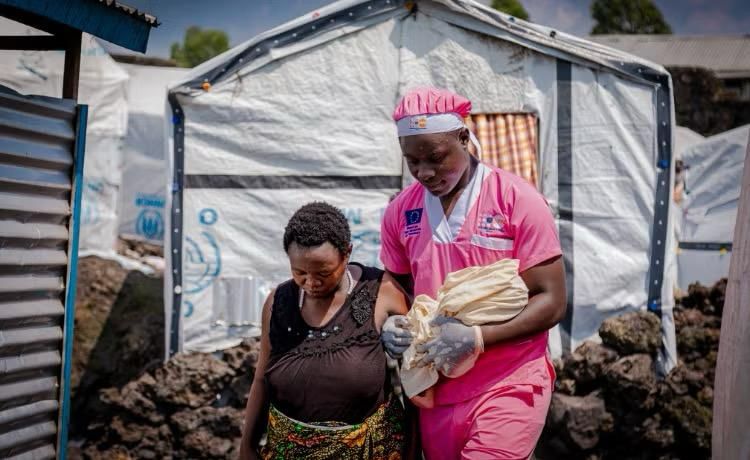
In eastern Democratic Republic of the Congo, maternal health facilities have been bombed or looted, including a UNFPA warehouse stocked with reproductive health kits, medicines and delivery equipment.
With only a fraction of hospitals still functioning, mobile health clinics have become the only hope for many women. Francine, who had been displaced since 2023, reached one such clinic in Rutshuru to give birth. “We were not safe,” her midwife, Nelly, recalled. “We need more support to meet these urgent needs.”
Even these mobile services are under attack. Camps for displaced people have been bombed, while mobile health clinics and listening centres have been looted, forcing temporary suspension of services.
Gaza: Delivering Amid Devastation
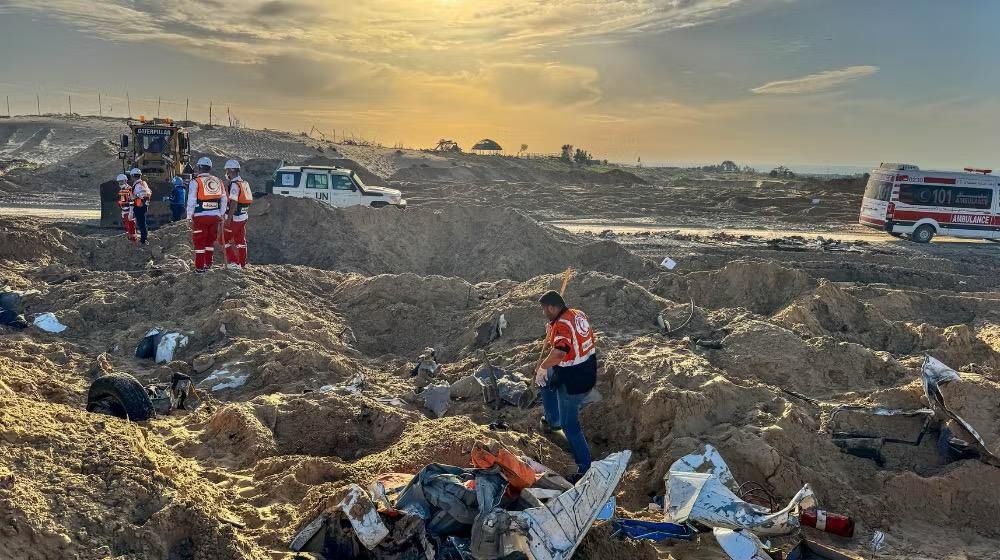
In Gaza, maternity wards have been transformed into battle zones. Midwives like Ayda delivered babies in hallways while bombs shook the walls. With electricity cut off, they relied on mobile phone lights to work.
Since October 2023, more than 720 attacks on healthcare in Gaza have been recorded, with at least 1,580 health workers killed. Tragically, Ayda herself was killed in an airstrike along with 37 family members, only days after sharing her story.
Haiti: Gangs Turn Hospitals into Battlegrounds
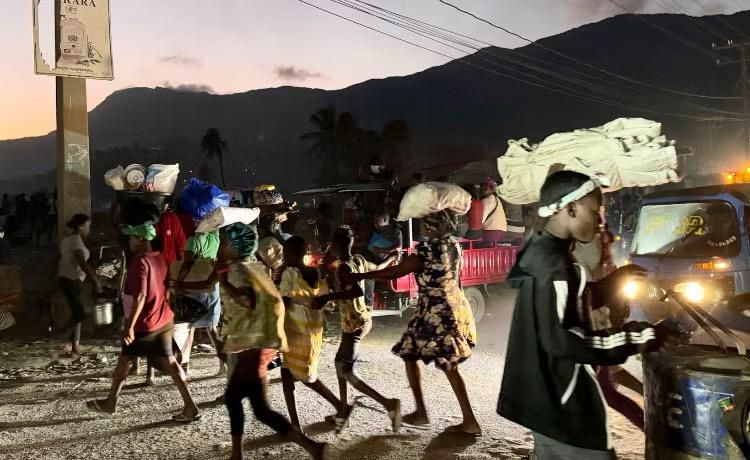
In Haiti, armed gangs have deliberately attacked hospitals, forcing widespread closures. The State University Hospital in Port-au-Prince was attacked at its reopening in December 2024. Soon after, Bernard Mevs hospital was set on fire, damaging critical wards. In April 2025, Mirebalais University Hospital was forced to shut down following violent assaults.
With sexual violence rampant, an estimated 1.2 million women and girls are in urgent need of protection. Yet three out of four UNFPA-supported safe spaces in Port-au-Prince have been forced to close due to insecurity, leaving survivors without timely care.
Ukraine: Trauma and Resilience
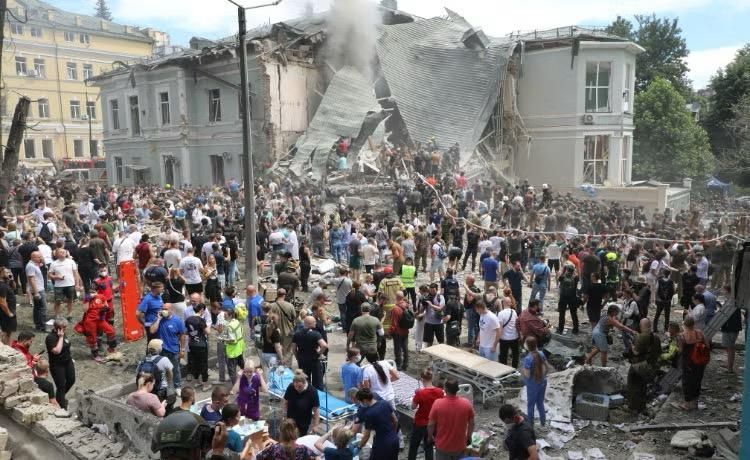
In Ukraine, women and girls are navigating pregnancy and birth under constant threat of bombardment. More than 300 attacks on healthcare have been documented since January 2025.
Anastasiia, from the front-line Donetsk region, travelled 20 kilometres to reach the Kharkiv Regional Perinatal Centre. “I was afraid to give birth, but life goes on. We want to live too,” she said.
Healthcare workers providing psychosocial support are also carrying invisible wounds. “When we arrive at attack sites, we do not have time to slow down,” explained Roman, who works with a UNFPA mobile team. “Only later, when we look back, do we realise how difficult it was.”
A Call to Act for Humanity
The courage of health and humanitarian workers in Sudan, the Democratic Republic of the Congo, Gaza, Haiti, Ukraine and beyond is extraordinary. They continue to serve communities at the risk of their own lives, ensuring that women give birth safely, that survivors of violence are supported, and that the sick and wounded are not abandoned.
On World Humanitarian Day, UNFPA has called on leaders to put an end to this violence, to stop impunity and to uphold healthcare as a fundamental human right, even in the midst of war.
Protecting health and humanitarian workers is not just about safeguarding lives today. It is about defending humanity itself.
Africa’s Voice in the Global Call
For Africa, where conflicts in Sudan and the Democratic Republic of the Congo continue to devastate communities, the issue is deeply personal. Midwives delivering babies under shellfire and doctors treating survivors in destroyed hospitals remind us that the frontline of global humanitarian crises is often on African soil. Their resilience is a testament to courage in the face of brutality.
Yet their stories are also part of a wider struggle. From Gaza to Haiti to Ukraine, the global assault on healthcare and humanitarian work threatens to dismantle the very foundation of protection for civilians in conflict. Africa’s experience must be heard in this global call: the world cannot continue to ignore the systematic targeting of those who dedicate their lives to saving others.
On this World Humanitarian Day, the message is clear. To act for humanity means to protect those who protect us all.