
|
Getting your Trinity Audio player ready...
|
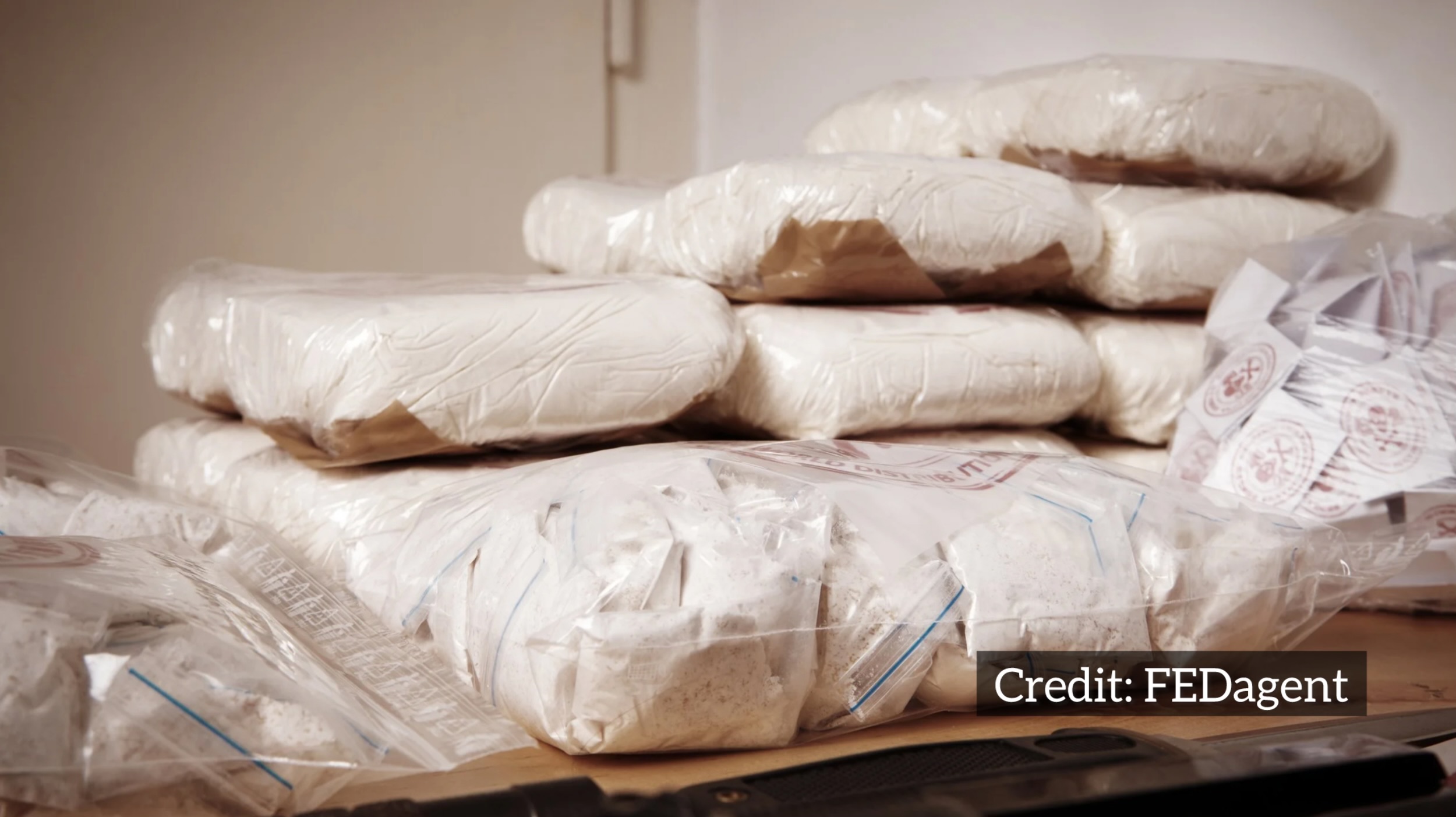
Criminal networks from the Western Balkans are increasingly embedding themselves within West Africa’s cocaine trafficking routes, according to a new report by the Global Initiative Against Transnational Organized Crime (GI-TOC). The study highlights how these groups, among Europe’s most influential drug traffickers, are leveraging the region as a strategic transit hub for smuggling cocaine from Latin America to Europe.
Rising European demand for cocaine, tighter enforcement along direct transatlantic routes, and the expansion of key West African ports have collectively transformed the region into a central gateway for the illicit trade.
West Africa: A Strategic Transit Hub
The study, released by the Global Initiative Against Transnational Organized Crime (GI-TOC) on Tuesday, points to a surge in cocaine trafficking routes passing through West African countries such as Senegal, Sierra Leone, Gambia, Guinea-Bissau, and Cape Verde. Experts attribute this trend to heightened European demand for cocaine, stricter law enforcement along traditional transatlantic routes, and the rapid expansion of maritime ports in the region.
Influence of Western Balkan Groups
While West Africa has long been a point of concern in the global narcotics trade, the report sheds new light on the growing influence of Albanian- and Slavic-speaking criminal networks from the Western Balkans. These groups have become central players in Europe’s cocaine market, forging strategic partnerships to secure their supply lines.
According to GI-TOC analysts, the collaboration between Western Balkan traffickers and Brazil’s powerful Primeiro Comando da Capital (PCC) cartel has emerged as one of the most significant alliances in facilitating cocaine flows into Europe.
“This partnership between Western Balkan groups and the PCC is likely the most critical network driving cocaine into the European market today,” said Sasa Djordevic, senior analyst and co-author of the report.
Global Alliances and Local Impact
These criminal organizations are not operating in isolation. The report indicates that Western Balkan groups have also strengthened ties with Dutch criminal networks, further consolidating their global reach. Their operations have been linked to rising violence in Europe and growing insecurity in West African transit points.
“These groups are among the world’s most sophisticated organized crime networks,” noted Lucia Bird Ruiz-Benitez de Lugo, director of GI-TOC’s West Africa Observatory. “Their presence poses a threat to regional stability as they bring with them not only illicit trade but also violence and corruption.”
Recommendations and Call for Action
The report, supported in part by the UK government, calls for stronger cross-continental collaboration between law enforcement agencies, port authorities, and policymakers. It emphasizes the need for enhanced intelligence-sharing, targeted enforcement, and improved data collection to disrupt the operations of high-level brokers facilitating the trade.
Experts warn that without coordinated international action, the entrenched presence of these groups could further destabilize West Africa, turning it into an even more critical hub for transnational organized crime.
Source: Reuters