
Healing Roots: South Africa Marks African Traditional Medicine Day with National Celebration
Written By Maxine Ansah
|
Getting your Trinity Audio player ready...
|
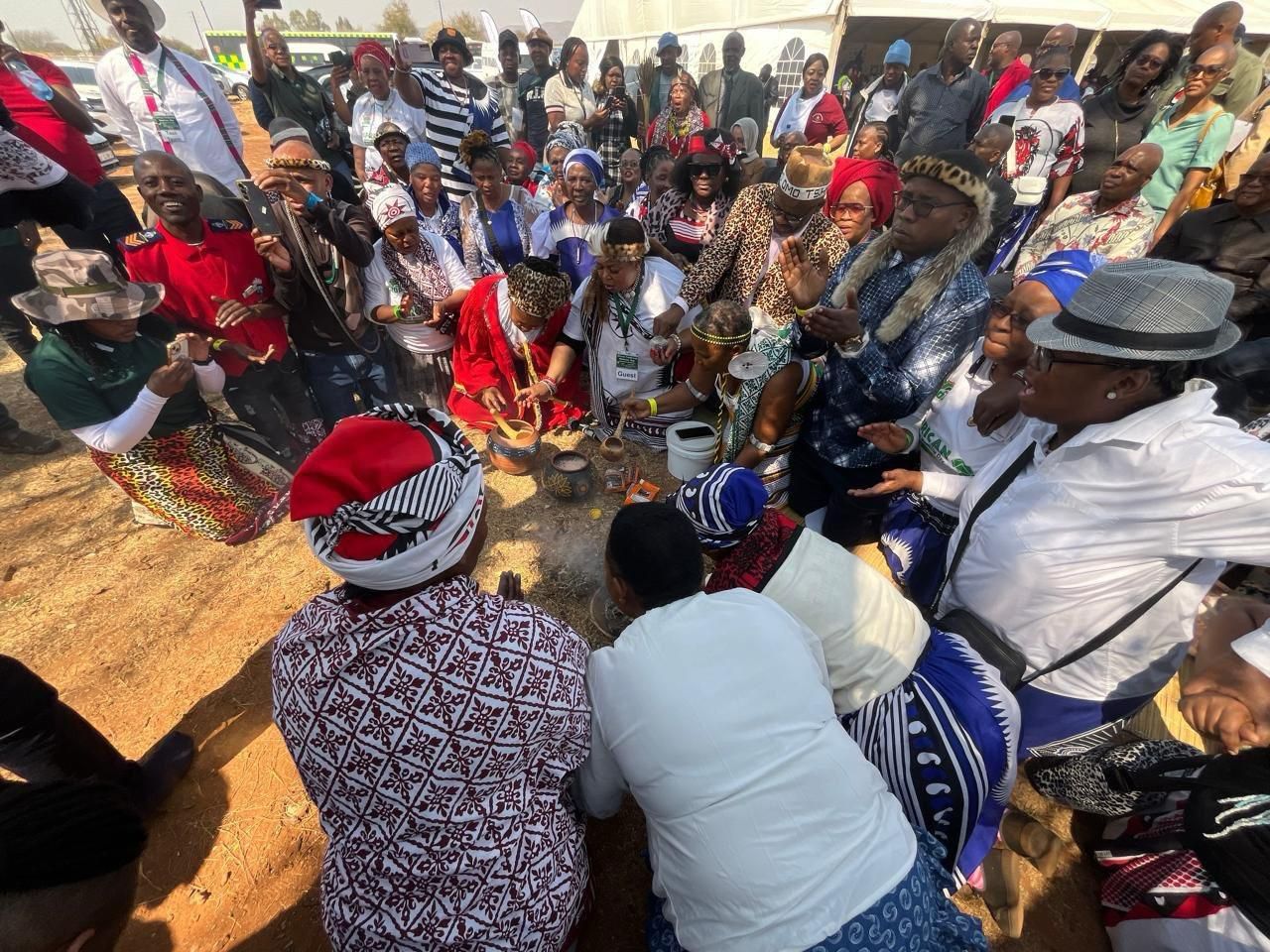
South Africa reaffirmed its commitment to the integration of traditional medicine into its health system as it hosted the national commemoration of African Traditional Medicine Day on 29 August 2025. The vibrant event took place in Moruleng, Moses Kotane Local Municipality, and brought together traditional health practitioners, policymakers, and global health partners.
The ceremony was opened with a cleansing ritual using Mphepho, a sacred herb in African spiritual healing, symbolising the connection between ancestral knowledge and modern public health. Attendees included the Deputy Minister of Health, Dr Joe Phaahla, the Chairperson of the Interim Traditional Medicine Practitioners Council, and dignitaries from the health sector.
African Traditional Medicine Day is celebrated annually on 31 August. It was established following a landmark resolution by African health ministers during the 50th session of the World Health Organization (WHO) Regional Committee for Africa in 2000 in Ouagadougou, Burkina Faso. The day acknowledges the vital role of traditional medicine in providing affordable and culturally relevant care to millions across the continent.
A key highlight of the national commemoration was the demonstration by traditional health practitioners trained with the support of the WHO. The practitioners showcased enhanced skills in managing noncommunicable diseases such as hypertension, diabetes, and cancer. This demonstration followed the joint training of 51 traditional practitioners and community health workers, which emphasised the importance of prevention, early detection, and effective referral pathways at community level.
The WHO Representative in South Africa reflected on nearly a quarter of a century of progress since the adoption of the African Regional Strategy on Traditional Medicine. The statement also welcomed the launch of the Global Traditional Medicine Strategy 2025–2034, a framework designed to strengthen the role of traditional medicine in global health systems.
The commemoration highlighted four central priorities: integration of safe and effective traditional medicine into national health systems; the strengthening of regulatory and referral pathways; the recognition and protection of indigenous knowledge; and improved collaboration between traditional and biomedical practitioners.
Traditional African medicine is rooted in holistic practice, combining herbalism with African spirituality. For many, particularly those in rural areas, it is not simply an alternative to modern medicine but the only accessible and affordable form of care. The WHO estimates that traditional medicine supports approximately 80 per cent of Africa’s population.
South Africa’s celebration demonstrated the country’s leadership in positioning traditional medicine within regional and global health platforms, including the African Union, WHO, BRICS, and G20. The event not only honoured the cultural value of African healing systems but also reinforced the need for regulation to ensure safe, effective, and ethical practice.
African Traditional Medicine Day in Moruleng stood as a reminder that Africa’s healing roots remain deeply relevant, offering knowledge and practices that, when effectively integrated, can enrich primary health care and global health conversations.