
From Pledges to Progress: Africa’s Climate Summit Demands Action
Written By Maxine Ansah

|
Getting your Trinity Audio player ready...
|
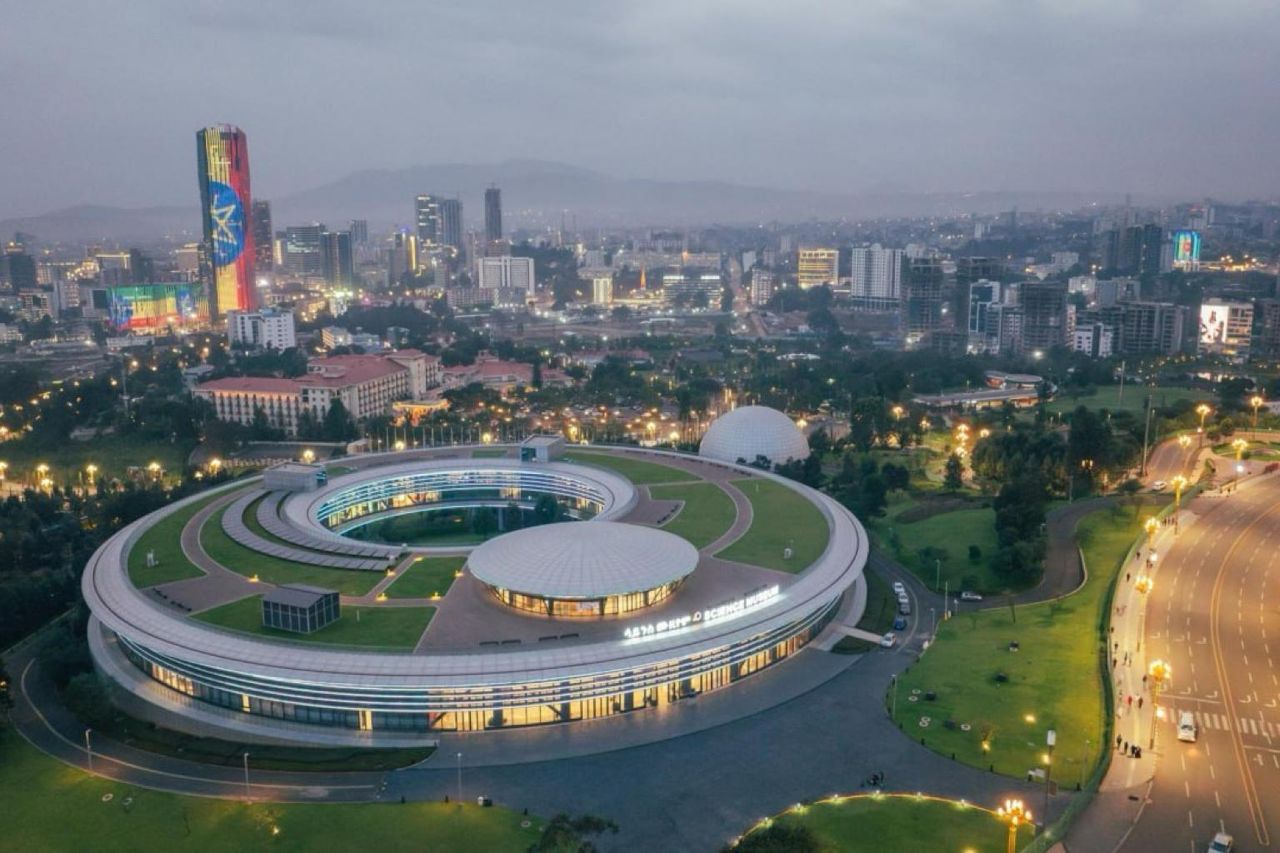
The Second Africa Climate Summit, held in Addis Ababa from 8 to 10 September, issued a resolute call for leaders to shift from words to action and to position the continent as a driver of climate solutions. The Summit, co-convened by the Federal Democratic Republic of Ethiopia and the African Union Commission, carried the theme: “Accelerating Global Climate Solutions: Financing for Africa’s Resilient and Green Development.”
The World Meteorological Organization (WMO) was among the prominent international bodies represented. A delegation led by Secretary-General Celeste Saulo and Assistant Secretary-General Thomas Asare engaged in high-level panels and bilateral meetings, focusing on strengthening Africa’s capacity in climate observations, data exchange, and resilience building. They stressed the urgent need for financing and institutional support for National Meteorological and Hydrological Services, which are critical providers of climate intelligence and security.
In his keynote address, H.E. Prime Minister Abiy Ahmed of Ethiopia challenged the world to reframe Africa’s role in climate action. He urged global leaders to see beyond the continent’s resource gaps and to instead recognise its assets. These include Africa’s youthful population, expanding solar belt, rich carbon sinks such as forests and wetlands, and extensive arable lands.
Prime Minister Abiy proposed the creation of an African Climate Innovation Compact. This continent-wide partnership would unite universities, research institutions, startups, rural communities, and innovators, with the goal of generating 1,000 African climate solutions by 2030. The Compact is designed around five pillars: innovation discovery, financing, knowledge development, policy enablement, and public engagement. It is to be underpinned by a blended financing model that seeks to mobilise 50 billion US dollars annually.
This initiative complements WMO’s Early Warnings for All Action Plan for Africa, which aims to ensure universal access to life-saving early warning systems by 2027. Celeste Saulo called on governments to embrace responsible innovation, highlighting the potential of artificial intelligence to enhance forecasting, particularly in African countries with limited computing infrastructure.
Currently, only about 40 per cent of Africans have access to early warning systems, the lowest proportion of any region worldwide. Yet studies show that such systems deliver benefits worth ten times their cost, or even higher in Africa. Saulo emphasised that effective warnings depend on robust data collection and sharing. She cited the Global Basic Observing Network and the Systematic Observations Financing Facility (SOFF) as key mechanisms to bridge data gaps.
A stark comparison underlined the urgency. Germany has more reporting stations meeting international standards than the entire African continent. To address this disparity, SOFF, a collaboration between WMO, UNDP, and UNEP, has already approved over 60 million US dollars in support for 24 African countries. Beyond initial investments, SOFF also provides long-term grants and technical assistance. It has recently launched an innovative financing mechanism, the SOFF Impact Bond, designed to attract resources from diverse partners. The initiative aims to multiply Africa’s internationally shared weather and climate data fivefold, reducing forecast errors in high-impact areas by over 30 per cent.
The Climate Risk and Early Warning Systems Initiative (CREWS) is another facility supporting resilience by helping vulnerable countries strengthen their ability to deliver life-saving early warnings. Importantly, CREWS focuses on the “last mile” by ensuring that warnings reach the most at-risk communities.
Mr. Asare underscored that multilateral climate funds and development banks already provide significant resources. However, to meet Africa’s resilience priorities, every investment in agriculture, water, energy, and infrastructure must integrate climate services and early warning systems. This approach ensures that each climate dollar also strengthens protection and preparedness.
On the sidelines of the Summit, the WMO delegation met with African government leaders, philanthropic organisations, and private sector representatives. In a meeting with H.E. Muhammad B. S. Jallow, Vice President of The Gambia, commitments were reinforced towards the Early Warnings for All initiative. WMO also pledged to support the rebuilding of Somalia’s national meteorological service, which has been weakened by years of insecurity.
Secretary-General Celeste Saulo closed her remarks with an African proverb that captured the spirit of the Summit. “If you want to go fast, go alone. If you want to go far, go together. This speaks to the value of teamwork and collaboration.”
The Addis Ababa gathering signalled a turning point in Africa’s climate agenda. Leaders and institutions alike are no longer content with promises. The call is clear: Africa must harness its assets, bridge its gaps, and accelerate solutions that will not only protect the continent but also contribute to global resilience.