
Cholera on the Rise Again: Preventable Death Toll Jumps Despite Available Tools
Written By Maxine Ansah

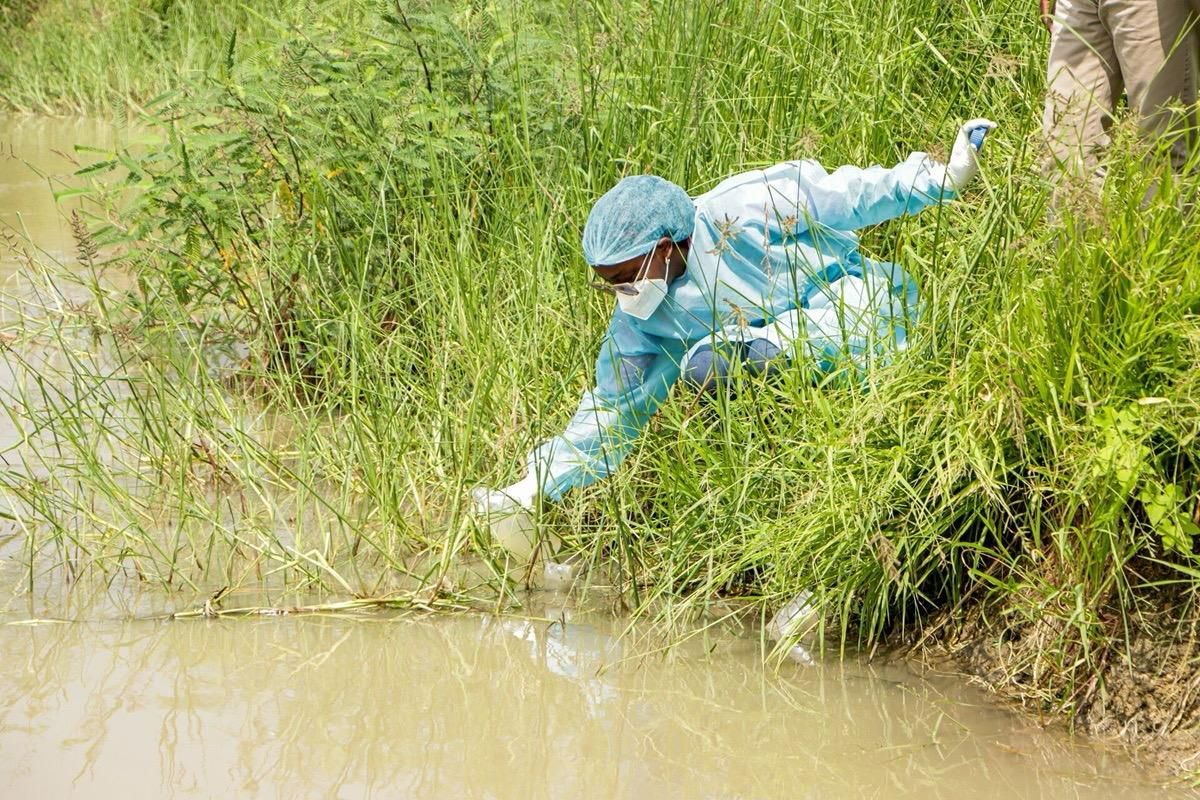
A surge in cholera cases and deaths in 2024 has alarmed global health authorities. The World Health Organization (WHO) reports a modest increase in infections, but a dramatic rise in fatalities. The disease remains both preventable and treatable, yet many communities continue to suffer.
Grim Numbers, Growing Threat
In 2024 more than 560,000 cases of cholera were reported across 60 countries, along with over 6,000 deaths. These figures represent a roughly 5 percent increase in cases and a 50 percent jump in deaths compared to 2023.
The epidemic continues to concentrate overwhelmingly in Africa, the Middle East and Asia, which together accounted for 98 percent of reported cases.
Worryingly, the number of countries reporting cholera has also risen—from 45 in 2023 to 60 in 2024.
Why the Surge
Several overlapping crises are feeding the rise of cholera:
- Conflict and displacement disrupt water and sanitation systems, reduce access to health services, and force people into crowded and unsanitary conditions.
- Climate change, including heavier rainfall, flooding and changing weather patterns, worsens water contamination and undermines infrastructure.
- Long‐standing deficiencies in water, sanitation and hygiene (WASH) infrastructure persist in many of the most affected countries.
Treatment Gaps, Fatalities, and Missed Opportunities
While cholera can be treated effectively if people access care quickly, the data show gaps:
- The case fatality ratio in Africa rose from 1.4 percent in 2023 to 1.9 percent in 2024, highlighting weak delivery of life‐saving treatment.
- About one quarter of deaths occurred outside health facilities, in homes or communities, pointing to barriers in reaching care.
Vaccines, Stockpiles, and Prevention
Vaccination remains a key tool:
- In early 2024 a new oral cholera vaccine, Euvichol-S®, was prequalified and added to the global stockpile.
- Because of overwhelming demand, a single-dose regimen was temporarily used in reactive campaigns in 2024 and into 2025 (rather than the usual two doses).
- In 2024 there were requests for 61 million doses of oral cholera vaccine (OCV); about 40 million doses were approved for emergency, reactive single-dose campaigns in 16 countries. Yet supply constraints continued.
Looking Ahead: What Must Be Done
To reverse these worrying trends several actions are essential:
- Improve water, sanitation and hygiene systems so that people are not forced to use unsafe water or live without adequate sanitation.
- Strengthen surveillance and diagnostics to detect outbreaks quickly and guide responses efficiently.
- Ensure vaccine supply and access, including scaling up production and considering flexible dosing if supply is limited.
- Expand community-based care access, to reduce the number of deaths happening outside of formal health facilities.
- Support health systems in fragile contexts, especially where conflict, displacement or environmental shocks weaken infrastructure.
Conclusion
The rise in cholera deaths in 2024 is a tragic signal that even diseases we know how to prevent and treat can kill when systems break down. The tools are available—water, sanitation, hygiene, vaccines, treatment—but global resolve and investment must match the scale of the threat. Otherwise, the goals set for 2030 will remain out of reach.