
Closing the Pay Gap: Why Equal Pay Matters for Women and Africa’s Future
Written By Maxine Ansah
|
Getting your Trinity Audio player ready...
|
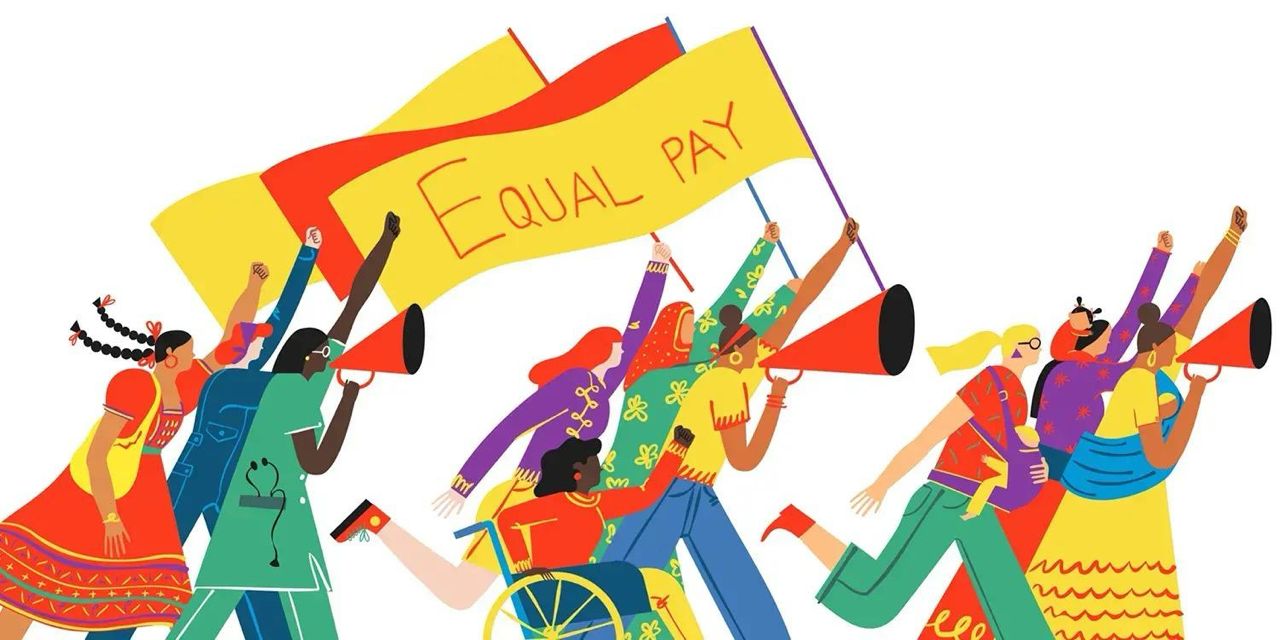
Payday brings a mix of emotions for workers worldwide. For some it is relief, for others satisfaction, but for many women it serves as a reminder of a deep injustice. Despite decades of progress, the gender pay gap remains a stubborn feature of the global economy. Women on average earn only 80 per cent of what men do. The divide is even greater for women of colour, migrant women, women with disabilities and mothers.
The cumulative effects of these disparities are devastating. They limit women’s opportunities, push families into poverty and create long-term disadvantages across generations. In times of crisis, such as the COVID-19 pandemic, these inequalities only deepen. Nearly 95 million people were plunged into extreme poverty during the pandemic, with one in ten women globally now living in extreme poverty. If current trends continue, over 342 million women and girls could be living on less than 2.15 US dollars a day by 2030.
What equal pay really means
Equal pay for work of equal value goes beyond identical roles. It is the principle that workers performing different tasks of the same value should receive the same pay. For example, teaching, care work, and nursing require comparable skills and responsibility as certain male-dominated roles, yet they are chronically underpaid. New Zealand’s Equal Pay Amendment Bill of 2020 addressed this by recognising the value of work in female-dominated industries and ensuring fairer wages.
Remuneration also extends beyond wages. Bonuses, allowances, insurance, company shares and other benefits form part of a worker’s overall compensation. Ignoring these elements hides the true extent of inequality.
Why the gender pay gap persists
The pay gap is rooted in structural inequalities. Women are overrepresented in the informal economy, particularly in Africa. From street vending to subsistence farming and domestic service, millions of women are excluded from the protection of labour laws. This leaves them vulnerable to low wages, unsafe conditions and no access to social benefits.
Care work is another factor. Women carry out on average three more hours of unpaid care work each day than men. This includes childcare, elder care, cooking, cleaning, and fetching water or firewood. Despite its essential contribution to households and economies, this work remains undervalued.
Motherhood also comes with penalties. Mothers often earn less than women without children, and the gap widens with the number of children. Hiring and promotion decisions are frequently biased against mothers, while career breaks for childrearing rarely come with adequate return-to-work programmes.
Traditional gender roles also steer women into lower-paid sectors, particularly care and service roles. Even where women enter male-dominated industries, discriminatory hiring and promotion practices can keep them from leadership positions and higher pay.
Why pay equity is urgent
Pay equity is not only a matter of fairness but a global necessity. Without it, poverty and inequality will deepen. In the United States for example, Black women earn just 63.7 cents, Native women 59 cents and Latinas 57 cents for every dollar earned by white men. Lower pay restricts access to food, housing, healthcare and education, perpetuating cycles of poverty.
Globally, women are more likely to have temporary or precarious jobs and are less likely to benefit from social protection systems. These disadvantages carry into old age, leaving many women with smaller pensions or none at all.
In Africa, the urgency is even greater. Women make up nearly 90 per cent of workers in the informal sector. They dominate agriculture, market trading and small-scale enterprise, yet most are excluded from protections such as minimum wage laws, maternity leave or pensions. The care burden is also heavier in many African countries, where limited infrastructure means women spend hours each day on unpaid domestic and community work.
Pay inequities in Africa also limit economic growth. Women are a driving force in agriculture, healthcare and education. In fact, women make up 67 per cent of the global health and social care workforce, yet these jobs remain undervalued and underpaid. For Africa, recognising and properly rewarding this labour is essential to meeting the continent’s development goals.
What must be done
The persistence of unequal pay requires collective action. Governments, employers, unions and communities must all play a role. Formalising the informal economy will bring millions of women under the umbrella of labour protections. Laws enforcing equal pay must be strengthened and applied consistently.
Support for women to organise and bargain collectively is also vital. Women must be represented in union leadership and employer decision-making. Broader gender equality policies should challenge stereotypes and create enabling environments for women to thrive in all sectors.
UN Women’s Economic Empowerment Chief Dr Jemimah Njuki emphasises that the gender pay gap requires all stakeholders to take full responsibility and act together. Women deserve equal pay for work of equal value. Closing the gap will not only change the lives of women and their families but will also unlock growth and opportunity for entire nations, particularly across Africa.
The truth is simple. Equal pay is not a privilege. It is a right that cannot wait another 300 years to be realised.