
Uganda Sets African Milestone with $31 Million Green Climate Fund Award
By Maxine Ansah
|
Getting your Trinity Audio player ready...
|
Uganda has secured a landmark $31 million grant from the Green Climate Fund (GCF) in recognition of its successful efforts to reduce deforestation and greenhouse gas emissions. The funding marks the first-ever results-based climate project approved by the GCF for Uganda, Africa, and any Least Developed Country. It represents a major step forward in rewarding effective environmental stewardship across the continent.
The project, titled “Uganda REDD+ Results-Based Payment for Emission Reductions (2016–2017)”, was presented by the Food and Agriculture Organization of the United Nations (FAO) at the forty-third GCF Board meeting held from 27 to 30 October in Songdo, Republic of Korea. Acting on behalf of the Government of Uganda, FAO showcased Uganda’s measurable success in curbing forest loss and enhancing sustainable forest management.
Between 2016 and 2017, Uganda achieved net emission reductions equivalent to over 8 million tonnes of carbon dioxide. This is roughly the same as planting and nurturing 133 million tree seedlings over a decade. The achievement underscores the tangible impact of Uganda’s commitment to sustainable development and climate resilience.
FAO Director-General QU Dongyu praised the decision, highlighting how results-based financing can drive real progress. “The GCF’s funding approval shows how results-based finance can reward effective climate action and deliver benefits for people and nature, and is a recognition of Uganda’s efforts and achievements,” he said.
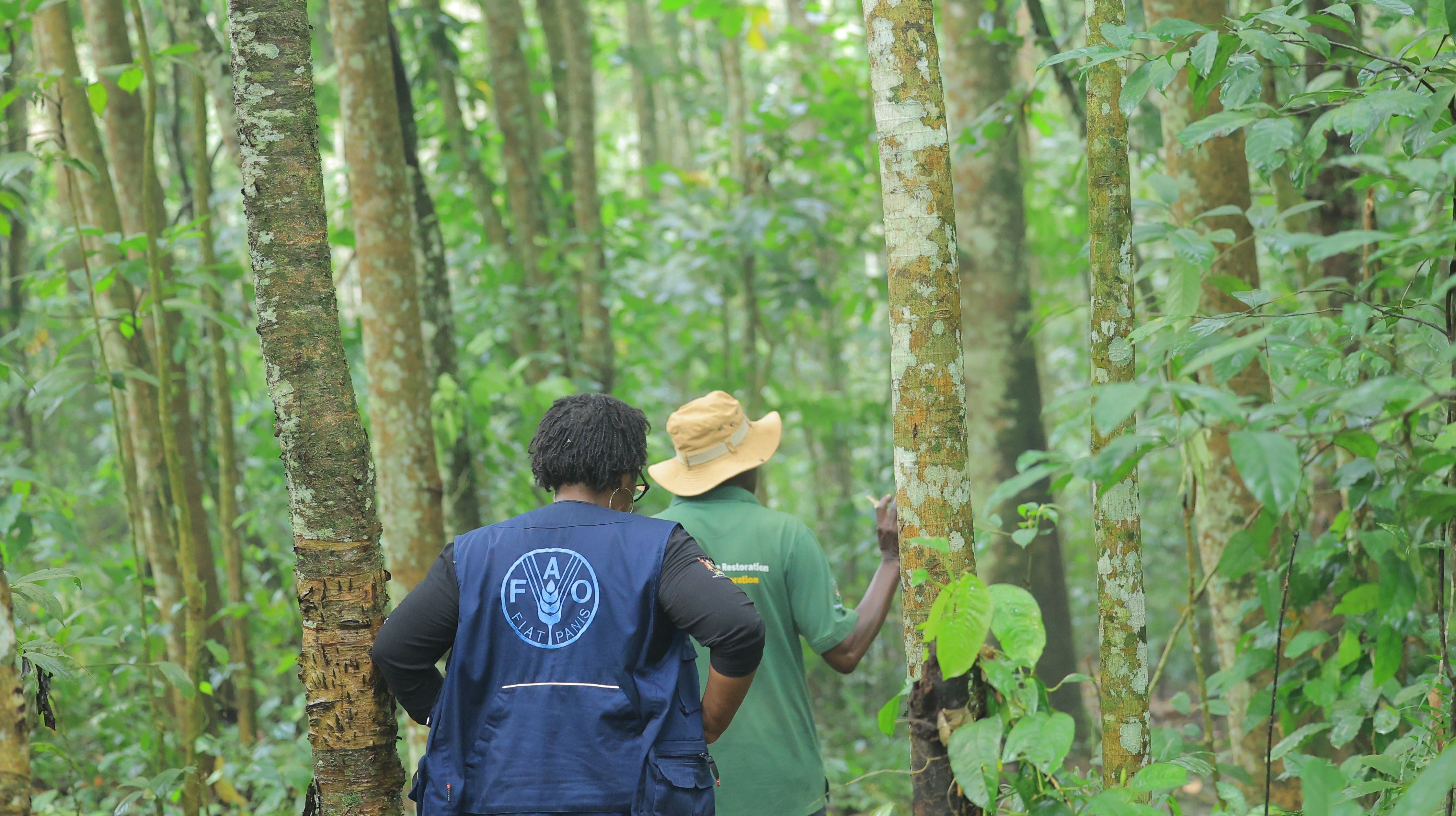
Uganda’s forests, covering approximately 2.36 million hectares, are a cornerstone of the country’s ecosystem and a vital source of livelihood for millions. They regulate local climates, safeguard biodiversity, and support food and water security. Yet, deforestation continues to pose a challenge, with agricultural expansion for crops such as cassava and cattle responsible for about 90 percent of forest loss.
The REDD+ framework, which stands for reducing emissions from deforestation and forest degradation while enhancing forest carbon stocks, provides a structured way for countries to earn financial rewards for measurable climate action. Uganda’s success under this framework demonstrates the value of persistence and strategic planning in mobilising climate finance.
“The revenue from the REDD+ results is part of Uganda’s ambitious mobilisation of climate finance, and it clearly shows how patience in this space of strategic importance pays off,” noted Alfred Okot Okidi, Permanent Secretary at Uganda’s Ministry of Water and Environment.
FAO has already helped four other countries, Argentina, Chile, Colombia, and Papua New Guinea, access GCF funding worth a combined $237 million. Uganda’s achievement now positions Africa at the forefront of results-based climate financing.
The $31 million disbursement will be channelled towards further actions that relieve pressure on natural ecosystems, strengthen local food security, and promote inclusive community development. Plans include supporting community-based timber and pole plantations to reduce the burden on rural women collecting firewood, as well as developing collective forest management systems and land rights agreements to prevent conflict and foster ownership.
A robust Benefit Sharing System will also ensure that Indigenous Peoples and other vulnerable groups, particularly women, equitably benefit from the project’s outcomes.
FAO has been a long-term partner in Uganda’s REDD+ journey, supporting the country from its readiness phase through the development of a national strategy and action plan. The initiative aligns with Uganda’s Nationally Determined Contributions under the Paris Agreement and reinforces its broader climate resilience agenda.
With a current portfolio valued at $1.8 billion, FAO’s collaboration with the GCF spans 114 readiness grants, including 38 in Africa, and 29 investment projects worldwide. Together, these initiatives are reaching more than 60 million people across developing regions, helping nations like Uganda translate climate ambitions into measurable results.
Uganda’s success stands as a testament to what sustained partnerships, strong governance, and community-centred approaches can achieve. It not only rewards past achievements but also sets the stage for future progress in protecting forests, promoting sustainable land use, and empowering local communities to thrive in the face of climate change.