
The U.S. Cuts Refugee Admissions to 7,500 — Prioritising White South Africans

|
Getting your Trinity Audio player ready...
|
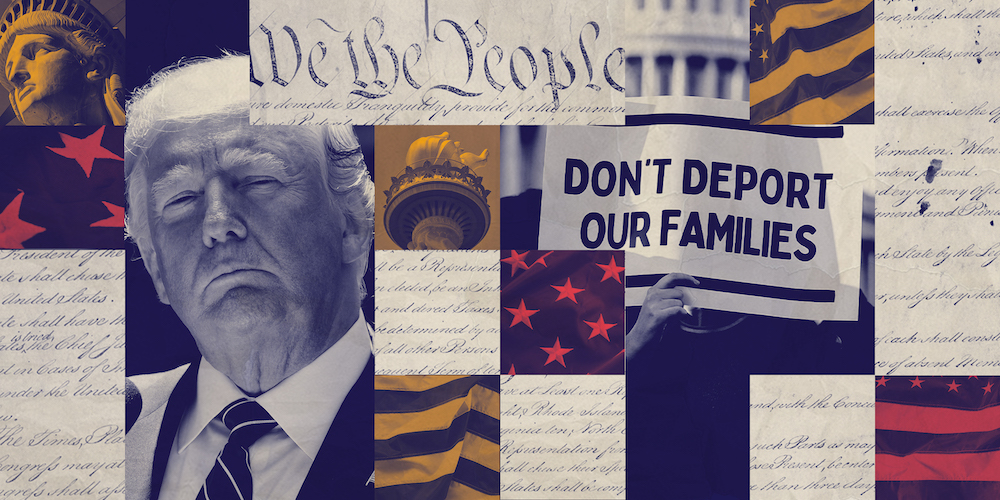
In a move already sparking global debate, U.S. President Donald Trump has slashed America’s refugee admissions to just 7,500 for 2026 — the lowest in modern history — while stating that white South Africans will be prioritised for resettlement.
The policy, announced at the end of October, marks a sharp reversal from previous years when up to 125,000 refugees were admitted annually under the Biden administration.
The Trump government says the decision is part of “protecting American interests,” but it comes as Africa faces the largest displacement crisis in its history, with tens of millions uprooted by conflict, climate, and instability.
A Policy Rooted in Selectivity
Trump’s administration argues that “white Afrikaners” in South Africa are facing “persecution and genocide” — claims widely dismissed by South African historians and human rights experts. Analysts note that South Africa’s Expropriation Act of 2024, which allows land redistribution for public interest, is designed to correct apartheid-era injustices, not target any race.
During a May meeting in Washington, Trump confronted South African President Cyril Ramaphosa, showing footage of people chanting “Kill the Boer.” Ramaphosa responded that South Africa’s crime problem affects all races, not one group — and that the narrative of “white genocide” is fictional and politically motivated.
Even so, 59 white South Africans have already arrived in the U.S. under a special program created by the administration earlier this year, as the White House maintains its stance.
America’s Shifting Gate
Since the U.S. Refugee Act of 1980, the annual cap has never fallen below 18,000 — until now. This new ceiling of 7,500 represents not only a record low but a redefinition of who deserves refuge.
The decision follows a long U.S. history of exclusionary immigration laws — from the 1882 Chinese Exclusion Act to Trump’s first “Muslim Ban” in 2017 — but this time, the focus has turned toward racial preference, with the administration openly favouring white immigrants.
For African nations, especially those dealing with forced migration from Sudan, Congo, Somalia, and the Sahel, the message is clear: American refuge is narrowing, and the standard of “humanitarian” is shifting.
What This Means for Africa
This policy sets a dangerous precedent. It signals that refuge and safety are now political privileges, not humanitarian rights. It also undermines international efforts — especially by African nations — to ensure global protection for displaced persons regardless of race.
But beyond outrage, there’s opportunity:
Africa can — and must — lead in shaping its own migration and protection frameworks. Initiatives like the African Union’s free movement protocols, ECOWAS humanitarian corridors, and intra-African scholarships could redefine mobility from within, instead of waiting for approval from abroad.
The question is no longer why others shut their doors — but when Africa will build its own.
The Voice of Africa Says:
This is more than a policy headline. It’s a reminder that Africa must stop waiting for validation.
If global powers redefine protection by race, then Africa must redefine mobility by dignity.
Because our humanity — and our future — are not up for debate.