
Guinea-Bissau Coup: President Embaló Flees to Senegal as Army Suspends Election Results

|
Getting your Trinity Audio player ready...
|
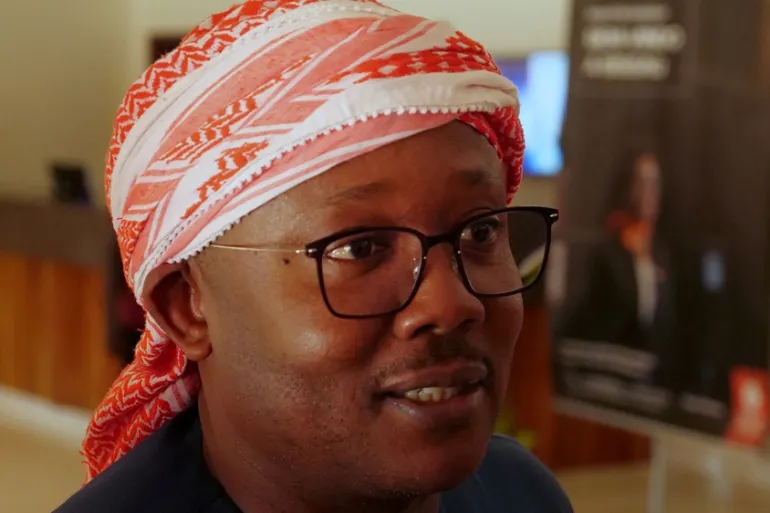
Guinea-Bissau has entered a new phase of political uncertainty after President Umaro Sissoco Embaló fled to Senegal, following a military takeover that halted the release of election results and plunged the small West African nation into crisis.
According to Senegalese authorities, Embaló arrived in Dakar “safe and sound” after ECOWAS negotiators secured his evacuation. His departure followed hours of rising tension in Bissau, where soldiers detained political leaders, closed borders, and suspended the electoral process just one day before provisional results were expected.
For Africa, the moment is another reminder of the fragile relationship between governance, institutions, and public trust — especially in regions struggling with military interference, disputed elections, and external pressures.

Military Installs Transitional Leader
The armed forces declared General Horta N’Tam — the country’s army chief of staff — as transitional leader for one year. In a televised address, the military claimed it intervened to stop unnamed politicians backed by “a well-known drug baron” from destabilising the country.
Shops and markets closed as soldiers patrolled Bissau under a night-time curfew. Though borders later reopened, public gatherings remain banned.
Guinea-Bissau, long labelled a narco‑state due to its role in global cocaine trafficking networks, has now witnessed at least nine coups or attempted coups since independence in 1974.
Election Tensions at the Centre of Crisis
Sunday’s presidential election appeared headed for a contested outcome. Both Embaló and his main challenger Fernando Dias claimed victory before the coup. Dias, backed by former Prime Minister Domingos Simões Pereira, accused the military of helping Embaló stage a “simulated coup” to prevent results from being announced if he lost — an allegation widely echoed by civil society groups.
Dias maintains he won roughly 52% of the vote and considers himself president-elect. Embaló has not responded to the accusations.
Regional and Global Condemnation
ECOWAS swiftly suspended Guinea-Bissau from all its decision-making bodies, calling the military action a “grave violation of constitutional order” and demanding soldiers return to the barracks.
The African Union and United Nations issued similar condemnations. UN Secretary-General António Guterres said he was “deeply concerned” and urged an immediate restoration of constitutional rule.

What This Moment Means for Africa
The Guinea-Bissau coup reinforces a troubling pattern across West Africa, where governance challenges, insecurity, and distrust in institutions have weakened democratic stability.
For Africa’s development and leadership agenda, the events raise urgent questions:
How can democratic institutions be strengthened so national elections do not depend on military discretion?
How do African regional bodies maintain credibility when coups become frequent?
And how can nations protect civic space, rule of law, and economic stability when political uncertainty keeps returning?
This crisis also highlights how geopolitical vulnerability — including illicit networks like the drug trade — can influence domestic politics. For countries working to build youth leadership, secure investment, and promote development, such instability risks reversing years of progress.
But across the continent, the growing engagement of youth, civil society, and regional blocs shows that Africa’s democratic future will not be decided by soldiers alone. African nations continue pushing for governance systems that are accountable, peaceful, and people-focused.
A Forward-Looking Insight
Despite the challenges, West Africa has repeatedly demonstrated resilience. Each crisis strengthens the call for deeper reforms, stronger institutions, and leadership committed to stability and development. Africa’s future continues to be shaped by those who believe in transparent governance and accountable power — and they remain the majority.