
Africa Eco Race 2026 Concludes in Dakar as Rally Blends Motorsport Competition With Cultural Connection
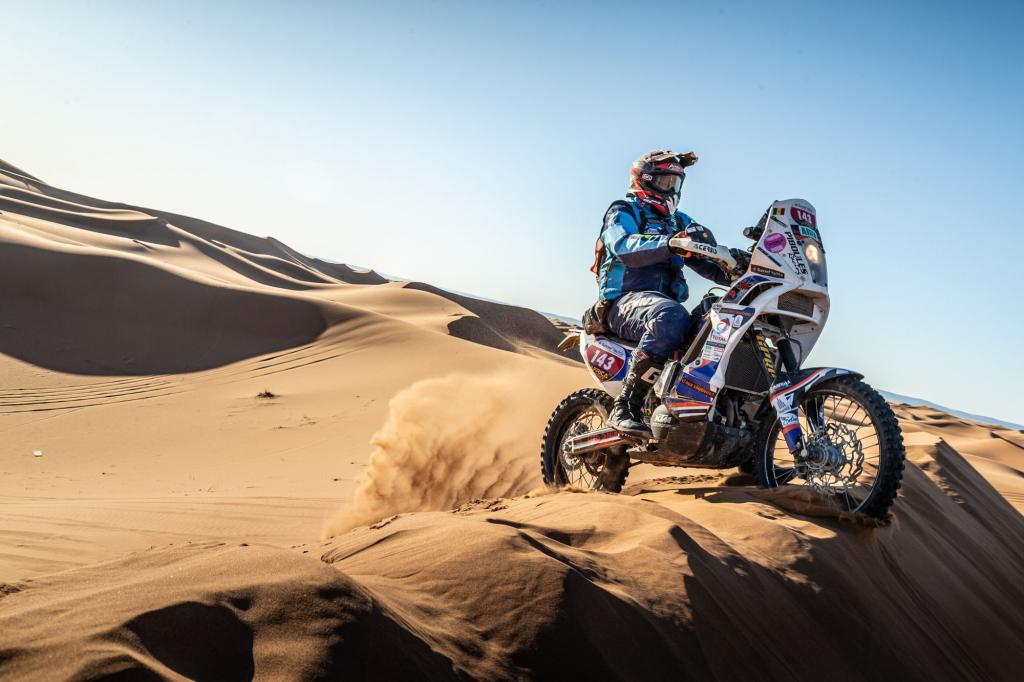
The 2026 Africa Eco Race has officially concluded in Dakar, Senegal, bringing to a close another edition of one of the continent’s most symbolic endurance motorsport events.
Competitors completed the final competitive stage covering 475 kilometers, including a 103 kilometer timed special stage, marking the transition from Mauritania into Senegal. The final stretch reflected a clear geographical and environmental shift as vast desert dunes gradually gave way to savannah landscapes approaching Dakar.
The final arrival at Lac Rose, widely recognized as the traditional finish point of the race, carried strong emotional significance for both competitors and spectators. Along the Senegalese stage route, large crowds gathered near villages to welcome participants, reinforcing the race’s reputation as not only a motorsport challenge but also a human and cultural journey across regions of Africa.
The results of the 17th edition were finalized at the end of the Dakar stage.
Category stage winners included
- Jean Loup Lepan in motorbike
- Magdalena Zając in cars
- Enrico Gaspari in side by side vehicles
- Gerrit Zuurmond in trucks
Overall winners for the 2026 edition were
- Kevin Gallas in motorbike
- David Gérard in cars
- Martijn Van Den Broek in SSV category
- Gerrit Zuurmond in trucks
Beyond competition, the Africa Eco Race continues to represent a wider narrative about Africa’s place in global motorsport and adventure tourism. The event crosses multiple African countries, highlighting landscapes, communities and cultural diversity that are often underrepresented in global sporting coverage.
Events like the Africa Eco Race also reflect the growing ecosystem around African sports tourism, logistics, media coverage and event infrastructure. While historically dominated by European and Middle Eastern rally circuits, African hosted endurance events are increasingly building their own global identity.
From an economic perspective, large scale cross border sporting events create secondary value chains. Local hospitality, transport, mechanical services, media production and tourism sectors all benefit from international exposure tied to events like this rally.
From a cultural perspective, the race reinforces a narrative shift. Africa is not simply a backdrop for global sport. It is becoming an organizer, host and driver of major international sporting experiences.
Motorsport participation across Africa is also slowly expanding beyond elite international drivers. Grassroots motorsport scenes are growing in countries like South Africa, Morocco, Kenya and Senegal, supported by local federations and private sector sponsorships.
The Africa Eco Race remains a reminder that the continent is not defined by a single narrative. It is a space where tradition and modern competition exist side by side, where global sport meets local identity, and where global audiences are beginning to pay closer attention.
The long term story is still being written. Many African sporting industries are still building infrastructure that older sporting nations have spent generations developing. But progress is visible year after year through events like this one.
The road ahead is long, but momentum is real. The continent is still early in its global sporting timeline, and that means growth potential remains massive. The next decades will likely be defined by African owned events, African investment in sport and African storytelling controlling how these moments are shared with the world.
And no matter the current stage of development, the direction remains forward. The continent’s future is being built in real time by a young population, new industries and a generation determined to shape its own global presence with confidence and purpose.