
Ghana Moves to Refine Its Own Crude as Africa’s Energy Value Chain Shifts Inward

|
Getting your Trinity Audio player ready...
|
Ghana is preparing to take a significant step in its energy sector by refining crude oil from its own offshore fields domestically, a move aimed at increasing value retention and reducing dependence on imported petroleum products.
Speaking during a diaspora town hall meeting in London, John Dramani Mahama announced that a shipment of Ghanaian crude would be delivered to a local refinery for processing in June.
According to Mahama, the initiative revives efforts that began during his previous administration but were later discontinued. The planned delivery is expected to mark the first time in years that crude extracted from Ghanaian oil fields will be refined within the country.
The development represents a shift in strategy as Ghana seeks to capture more economic value from its petroleum resources rather than relying primarily on crude exports.
Joining Africa’s Refining Revolution
Ghana’s move comes as several African oil producers expand domestic refining capacity to strengthen energy security and retain more revenue from their natural resources.
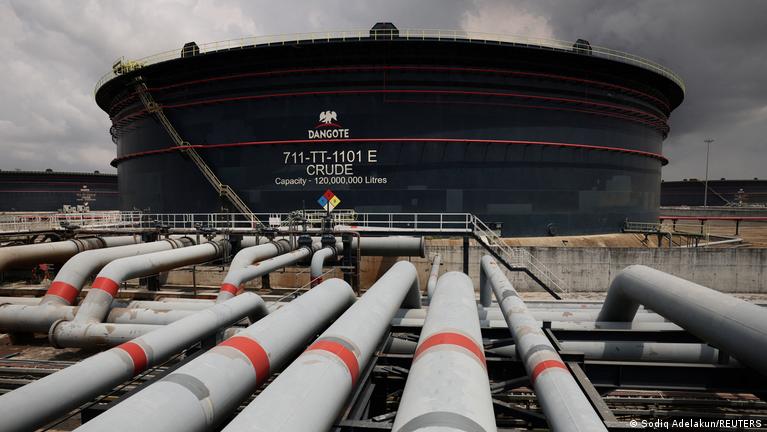
Nigeria has emerged as a leading example following the launch of the Dangote Refinery, which has significantly increased the country’s ability to process crude locally and supply refined products across the continent.
Meanwhile, Angola continues expanding its downstream industry through projects including the Luanda, Cabinda and Lobito refineries as it works to reduce fuel imports and strengthen domestic energy capacity.
Across North Africa, countries such as Egypt, Algeria and Libya have long maintained refining industries that process domestic crude for both local use and export markets.
Together, these efforts reflect a broader continental trend toward greater value addition and industrialization within Africa’s energy sector.
Expanding Capacity at Home
At the center of Ghana’s refining ambitions is the Tema Oil Refinery, which resumed operations in late 2025.
The facility currently processes approximately 28,000 barrels per day and is working toward increasing production to 45,000 barrels daily through the integration of additional processing infrastructure.
Long term plans include expanding capacity to 60,000 barrels per day while also developing another refinery capable of processing 100,000 barrels daily.
Ghana has also strengthened its refining capabilities through the privately owned Sentuo Oil Refinery, which has added capacity and increased the country’s ability to process petroleum products domestically.
Breaking the Export Import Cycle
For decades, many African oil producing nations have exported crude oil while importing refined products such as petrol, diesel and aviation fuel.
Mahama argued that this model limits the economic benefits countries receive from their natural resources.
Under the new strategy, Ghana aims to process more of its own crude domestically, helping retain foreign exchange, strengthen local supply chains, create jobs and support industrial growth.
The government believes refining at home can help generate broader economic benefits while reducing exposure to international fuel supply disruptions.
Beyond Oil Production
Alongside its refining plans, Ghana is also seeking to increase hydrocarbon production.
Mahama disclosed that the country had secured approximately $1.5 billion in new investment from Eni for the Offshore Cape Three Points project, a major oil and natural gas development.
However, the president stressed that increasing production alone would not maximize the value of Ghana’s resources. Instead, he argued that value addition should become a central component of the country’s broader economic strategy, extending beyond oil and gas into mining, agriculture and manufacturing.
Turning Resources Into Industrial Strength
The growing focus on domestic refining reflects a wider shift in how African nations are approaching resource development. Rather than exporting raw materials and importing finished products, more governments are pursuing strategies designed to build industries around their natural wealth.
Ghana’s latest move illustrates that transition. While challenges remain, the country’s refining ambitions signal a desire to convert resource extraction into industrial growth, employment and greater economic resilience.
Across Africa, the conversation is increasingly moving beyond what is produced from the ground to what can be created from it. As countries invest in processing capacity, infrastructure and local industries, the continent continues to build a stronger foundation for long term economic transformation.
Africa’s energy story is still evolving. For nations such as Ghana, the next phase may not be defined solely by oil production, but by how successfully those resources are transformed into lasting development, industrial capacity and opportunities for future generations.