

|
Getting your Trinity Audio player ready...
|
African and Caribbean leaders gathering in Ghana have intensified calls for formal apologies and reparations from countries that participated in the transatlantic slave trade, arguing that centuries of exploitation continue to shape modern economic and social inequalities.
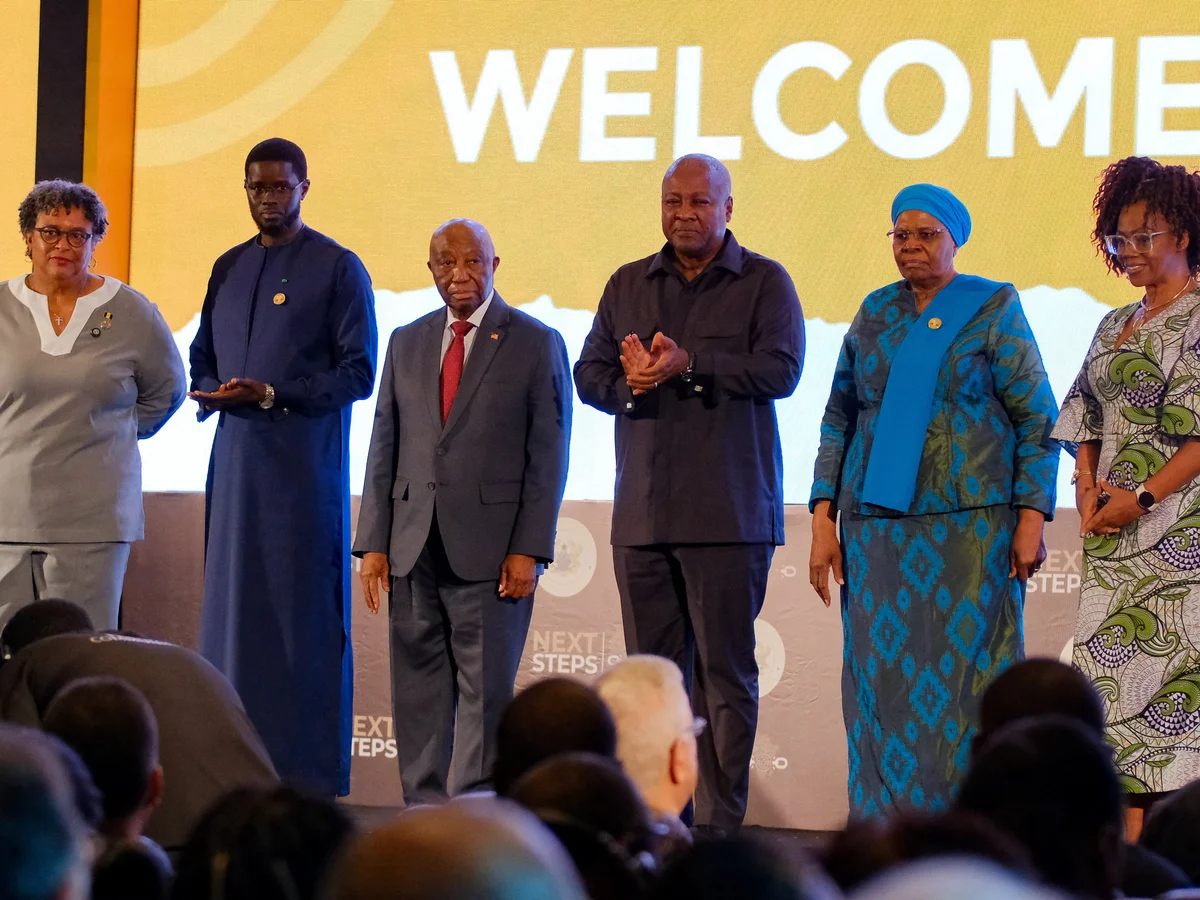
The appeal came during the “Next Steps” conference in Accra, where delegates from more than 80 countries met to discuss pathways toward reparatory justice following a landmark United Nations resolution adopted in March. The resolution described slavery and the transatlantic slave trade as “the gravest crime against humanity.”
A Call for Formal Apologies
At the conclusion of the conference, participants issued a declaration urging nations that benefited from the slave trade to provide full, formal, and unconditional apologies.
Organizers described such acknowledgements as a necessary foundation for reconciliation, trust building, and future discussions on reparations.
The conference sought to move the conversation beyond symbolic recognition and toward concrete actions that could potentially include compensation mechanisms recognized under international law.
The Legacy of the Atlantic Slave Trade
Between the 16th and 19th centuries, an estimated 12 million Africans were forcibly taken from the continent and transported across the Atlantic. Their labor contributed significantly to the economic development of European colonial powers and the Americas.
Leaders attending the conference argued that the consequences of slavery continue to affect African nations, Caribbean states, and communities throughout the African diaspora.
Mahama: A Historic Opportunity
Ghanaian President John Dramani Mahama said the recent UN resolution has created a unique opportunity to advance global discussions on reparations.
Addressing delegates in Accra, Mahama emphasized that African and diaspora voices have often been fragmented throughout history, limiting progress on the issue.
According to the president, growing international recognition of slavery’s long term consequences presents an opportunity to pursue meaningful engagement and accountability.
What Could Reparations Look Like?
While financial compensation remains one of the most debated aspects of reparations, advocates argue that the concept extends beyond direct payments.
Some proposals include development funding, educational investments, debt relief, cultural restoration initiatives, and the return of artifacts and resources removed during colonial rule.
The issue gained further attention during a reparations summit held in Ghana in 2023, where participants proposed the creation of a Global Reparation Fund. Details regarding how such a fund would operate have yet to be finalized.
A Debate That Remains Divisive
Support for reparations varies significantly across countries that could potentially be asked to contribute.
In the United States, for example, public opinion remains divided. A Pew Research Center survey conducted in 2021 found that only around three in ten Americans supported compensating descendants of enslaved people through measures such as financial payments or land grants.
The differing views highlight the political and legal challenges that reparations advocates face as they seek broader international support.
Looking Ahead
The Accra conference reflects a growing effort by African and Caribbean nations to shape a coordinated global approach to historical justice. While significant obstacles remain, supporters believe the conversation has moved beyond whether the issue should be discussed and toward how meaningful action might be achieved.
As debates over reparations continue, African leaders increasingly view the issue as part of a broader discussion about development, historical accountability, and global equity. The process is likely to be long and complex, but many see it as another example of Africa and its global diaspora asserting a stronger voice in shaping international conversations about justice and the future.