

|
Getting your Trinity Audio player ready...
|
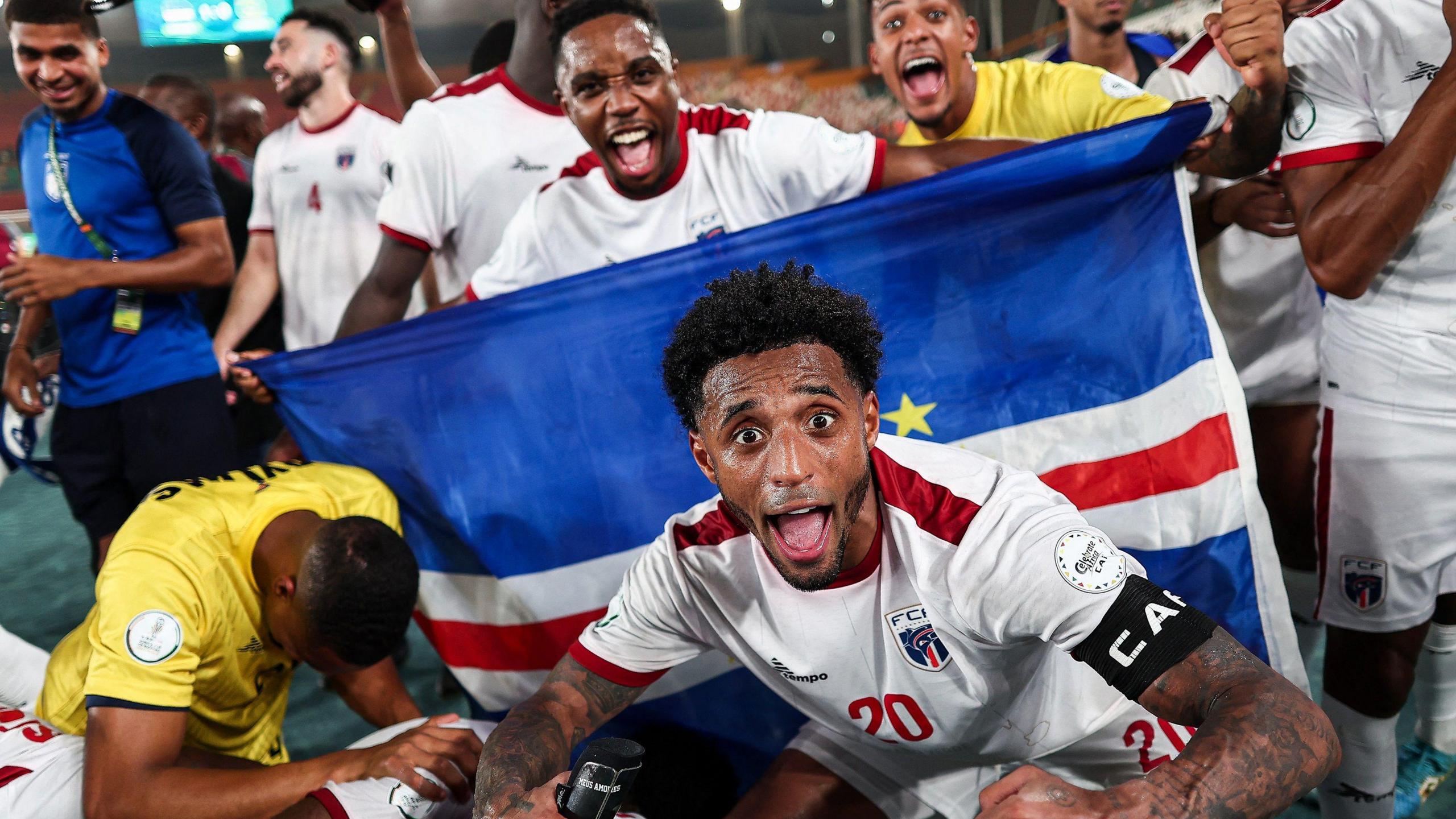
When Cabo Verde arrived at the 2026 FIFA World Cup, few expected the small Atlantic archipelago to become one of the tournament’s most talked about teams. Yet within days, the Blue Sharks had captured the imagination of football fans around the world, turning a historic debut into one of the competition’s most compelling stories.
For a country of roughly 561,000 people, World Cup qualification alone was a remarkable achievement. But Cabo Verde has quickly demonstrated that its presence on football’s biggest stage is about far more than making up the numbers.
After earning a hard fought 0-0 draw against tournament favorites Spain in its opening match, the African nation found itself thrust into the global spotlight. The performance showcased a disciplined team unafraid of football’s traditional powers and sparked a wave of international interest in a country many viewers were discovering for the first time.
Goalkeeper Vozinha became one of the breakout stars of the tournament. Following his standout performance against Spain, his social media following surged dramatically, reflecting the growing fascination with Cabo Verde’s unexpected rise.
From Atlantic Archipelago to Global Stage
Located off the western coast of Africa, Cabo Verde gained independence from Portugal in 1975 and has spent decades building its institutions, economy, and sporting identity.
Football has long occupied a special place in Cabo Verdean culture. Across the islands, the sport serves as a unifying force connecting communities at home and throughout a global diaspora estimated to exceed one million people.
For many supporters, simply reaching the World Cup represented a historic national milestone.
“We are extremely proud to see our small archipelago represented as it should be at the greatest sporting competition on earth,” said Katia, a 26 year old Cabo Verdean supporter.
The achievement reflects years of investment by the Cabo Verde Football Federation and a deliberate effort to transform the country into a competitive force within African football.
The Qualification Campaign That Changed Everything
Cabo Verde’s path to the World Cup was anything but straightforward.
The Blue Sharks entered the final stage of African qualifying with a narrow lead over continental heavyweight Cameroon. A dramatic 3-3 draw against Libya delayed qualification, setting up a decisive final match against Eswatini.
On October 13, 2025, before a packed crowd at the Estádio Nacional de Cabo Verde in Praia, the national team delivered a commanding 3-0 victory to secure its place at the World Cup.
The moment marked a historic breakthrough. Cabo Verde became one of the smallest nations ever to qualify for football’s premier tournament and established itself among Africa’s emerging football powers.
For defender Steven Moreira, the significance extended beyond sport.
“It means the world,” he said after qualification. “Now all the world will know Cabo Verde.”
The Diaspora Strategy Behind the Success
One of the most important factors in Cabo Verde’s rise has been its ability to connect with its global diaspora.
Over the past two decades, the federation has actively recruited players of Cabo Verdean heritage born and raised abroad. The strategy has strengthened the national team while reinforcing ties between the islands and communities across Europe and North America.
Players from Portugal, France, the Netherlands, Ireland, and other countries have embraced the opportunity to represent their ancestral homeland.
Among them is Ireland born defender Roberto Lopes, who famously received an unexpected message from national team officials inviting him to join the squad.
The approach has allowed Cabo Verde to combine international experience with a strong national identity.
For many players, wearing the national jersey is about honoring family sacrifices and preserving cultural connections.
A Team Built on Identity and Unity
Head coach Pedro Leitão Brito, widely known as Bubista, has placed unity at the center of the team’s culture.
Despite players coming from different countries and backgrounds, the squad has worked to maintain a shared Cabo Verdean identity.
Bubista has emphasized the importance of culture, language, and collective purpose throughout the team’s development.
That sense of belonging has translated onto the pitch, where Cabo Verde has developed a reputation for organization, resilience, and confidence against higher ranked opponents.
The result has been a team capable of competing without fear.
More Than a Football Story
Cabo Verde’s World Cup journey has become about more than results.
The country’s emergence reflects broader themes increasingly visible across Africa: investment in youth, stronger institutions, global diaspora engagement, and growing confidence on the international stage.
Its success demonstrates that influence in modern sport is no longer determined solely by population size, economic power, or historical prestige.
As the Blue Sharks prepare for the next chapter of their World Cup campaign, they have already achieved something significant. They have introduced millions of people to a nation whose story is often overlooked and reminded the football world that ambition is not limited by geography.
For Africa, Cabo Verde’s rise offers another example of a continent continuing to expand its presence across global sport. The journey remains ongoing, but the message is clear: with vision, investment, and belief, even the smallest nations can leave a lasting mark on the world stage.
Cabo Verde World Cup, Cabo Verde football, Cabo Verde national team, Blue Sharks football, FIFA World Cup 2026, African football, Cabo Verde soccer, Cape Verde football team, Vozinha goalkeeper, Cabo Verde Spain draw, World Cup debut, African World Cup teams, Cabo Verde sports, African football success, FIFA Africa, football diaspora, Cabo Verde diaspora, Pedro Bubista, Cabo Verde coach, World Cup underdogs, football culture Africa, African sports news, Cape Verde islands, African football history, World Cup stories, football inspiration, African nations World Cup, Spain vs Cabo Verde, Uruguay vs Cabo Verde, Saudi Arabia World Cup, football development Africa, FIFA rankings, football talent Africa, African athletes, Cabo Verde qualification, World Cup qualification Africa, Estadio Nacional de Cabo Verde, Praia Cabo Verde, African football federation, football fans Africa, African sports culture, World Cup favorites, football community, international football, African diaspora football, football identity, sports tourism Cabo Verde, football growth Africa, World Cup Africa, small nation football, football success story, African pride, football unity, Cape Verdean identity, World Cup 2026 news, football leadership, African youth sports, FIFA tournament, global football, soccer in Africa, African excellence, football journey, sports development, football infrastructure, African football talent, football storytelling, sports media Africa, football legends, African sporting success, World Cup headlines, football economics, football strategy, football coaching, international competition, football federation Cabo Verde, sports culture, football passion, diaspora athletes, football innovation, African representation, sports achievement, football rankings, Cabo Verde history, football supporters, sports inspiration, soccer development, football tournament, African football future, global sports, football dreams, World Cup excitement, football resilience, sports leadership, football community development, African sports ecosystem, football opportunity, sports growth Africa, World Cup contenders, football recognition, Cabo Verde success story, African football spotlight