

|
Getting your Trinity Audio player ready...
|
Ethiopia is strengthening its position as one of Africa’s leading refugee hosting nations through a new strategy aimed at helping displaced people build independent and sustainable lives.
The initiative received international recognition during a visit by UN High Commissioner for Refugees Barham Salih to the Ura refugee settlement in Ethiopia’s Benishangul Gumuz region, where he highlighted the country’s efforts to move beyond traditional humanitarian assistance toward long term inclusion and development.
Salih’s visit coincided with World Refugee Day and focused on the growing importance of policies that allow refugees to rebuild their lives while contributing to the communities that host them.
Beyond Aid: Building Independent Futures
Ethiopia currently hosts more than 1.1 million refugees and asylum seekers, making it one of the largest refugee hosting countries on the African continent.
Among them are more than 45,000 people who have fled the ongoing conflict in neighboring Sudan since April 2023.
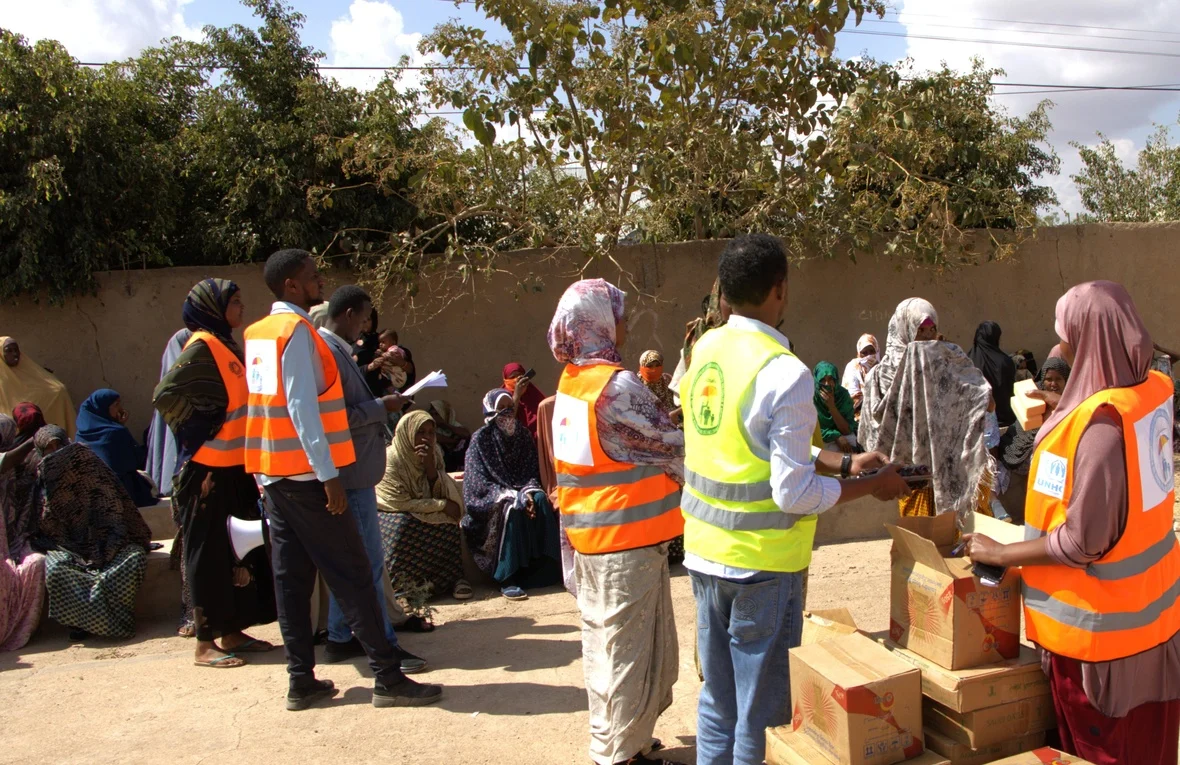
At the Ura settlement, more than 14,500 Sudanese refugees live alongside local Ethiopian residents. Unlike traditional refugee camps, the settlement allows refugees to access many of the same services available to host communities, creating opportunities for greater integration and economic participation.
Salih said countries offering these long term solutions deserve stronger international support as displacement crises continue to grow across several regions.
Where Refugees and Communities Grow Together
During his visit, the UN refugee chief toured a primary school where Ethiopian and Sudanese children study side by side.
The school reflects a broader approach that seeks to integrate refugees into local communities rather than isolate them from public services and economic opportunities.
Salih also met refugee entrepreneurs who have established businesses within the settlement, providing income for their families while contributing to local economic activity.
The experience highlighted how access to education, entrepreneurship and community participation can help displaced populations regain stability and dignity.
The Makatet Roadmap and a New Vision
Just days before visiting Ura, Salih joined Ethiopian government officials in Addis Ababa to launch the country’s new Makatet Roadmap.
The framework aims to shift refugee support from emergency humanitarian relief toward long term development and self reliance.
Under the roadmap, traditional camps could gradually evolve into self sustaining urban style settlements connected to national systems for education, healthcare and public services.
Officials believe the strategy will create better opportunities for refugees while easing pressure on humanitarian resources and strengthening support for host communities.
From Emergency Response to Long Term Development
The launch of the roadmap reflects a growing understanding that many displacement crises last for years rather than months.
As a result, governments and international organizations are increasingly exploring models that promote economic participation, skills development and social inclusion instead of relying solely on emergency assistance.
Ethiopia’s approach aligns with broader efforts across Africa to create sustainable solutions that benefit both refugees and local populations.
Supporters argue that investing in self reliance not only improves living conditions for displaced people but also contributes to economic growth and community resilience.
Why Ethiopia’s Model Matters for Africa
With conflicts and humanitarian crises continuing to force millions from their homes across Africa, Ethiopia’s strategy is attracting attention as a potential model for balancing humanitarian protection with long term development.
Challenges remain, including funding pressures and the growing scale of displacement across the region. However, the country’s commitment to integration and self reliance represents a significant shift in how refugee support is being approached.
As African nations continue searching for durable solutions to complex humanitarian challenges, Ethiopia’s experience demonstrates how inclusion, education and economic opportunity can play a central role in helping displaced communities rebuild their futures.
The continent’s refugee challenges remain significant, but so too does its capacity for innovation and resilience. Efforts such as Ethiopia’s integration strategy reflect a growing belief that with the right policies and partnerships, displaced populations can become active contributors to development rather than remaining dependent on aid alone.