
Veteran Egyptian Diplomat Nabil Fahmy Chosen to Lead Arab League at Pivotal Regional Moment

|
Getting your Trinity Audio player ready...
|
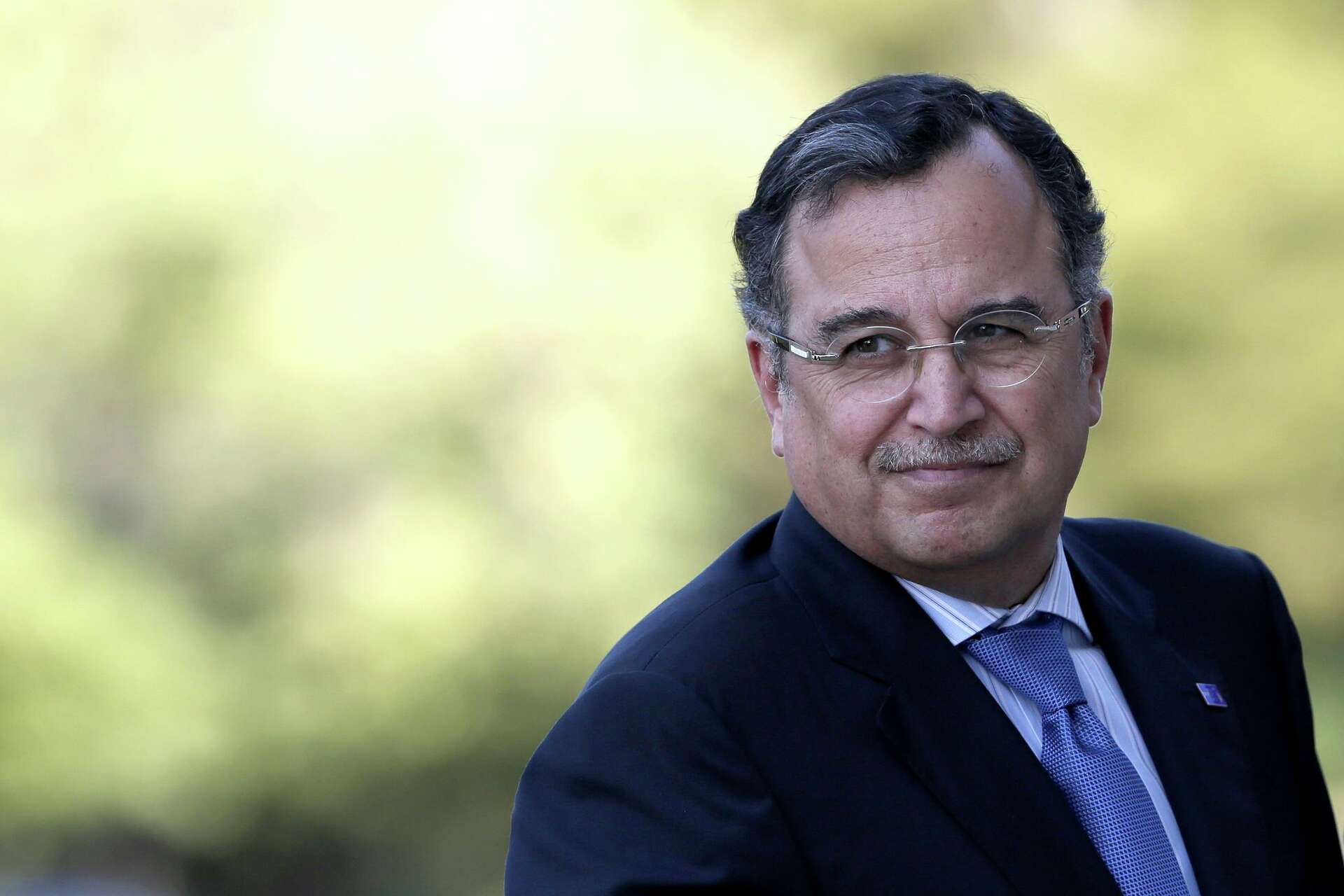
The Arab League has confirmed veteran Egyptian diplomat Nabil Fahmy as its next Secretary General, placing one of Egypt’s most experienced foreign policy figures at the helm of the region’s most prominent political organization during a period of growing geopolitical uncertainty.
The decision was announced Monday during a meeting of Arab foreign ministers in Amman, officially paving the way for Fahmy to assume leadership of the Cairo based institution at the beginning of July.
His appointment comes as the Middle East and North Africa continue to navigate conflicts, shifting alliances, economic pressures and growing debates over regional security.
A New Chapter for the Arab League
Fahmy will succeed Ahmed Aboul Gheit, who completed two consecutive terms as Secretary General of the Arab League.
The incoming leader was unanimously nominated for the position in March and will serve a five year term overseeing the 22 member organization.
Established in 1945, the Arab League serves as a platform for Arab nations to coordinate positions on political, economic and security issues while promoting cooperation among member states.
Although the organization does not possess direct enforcement powers, its diplomatic influence often shapes regional discussions on some of the Arab world’s most pressing challenges.
From Foreign Minister to Regional Statesman
Fahmy brings decades of diplomatic experience to the role.
He served as Egypt’s foreign minister between June 2013 and July 2014 and has long been regarded as one of the country’s most respected diplomatic voices.
Throughout his career, he has played a role in shaping Egypt’s engagement with regional and international partners, navigating periods of significant political transformation both within Egypt and across the broader Middle East.
His appointment continues a longstanding tradition of Egyptian leadership within the Arab League.
Egypt’s Enduring Influence
Fahmy will become the eighth Egyptian to serve as Secretary General of the organization.
Since the Arab League’s founding more than eight decades ago, nearly all of its leaders have come from Egypt, reflecting the country’s historical role in Arab diplomacy and the organization’s headquarters being located in Cairo.
Only one non Egyptian has ever led the bloc. Tunisian diplomat Chedli Klibi served as Secretary General during the 1980s when Egypt’s membership was suspended following its peace agreement with Israel.
The return of another Egyptian diplomat to the position underscores Cairo’s continued influence within regional institutions.
Challenges Await the New Leader
Fahmy assumes office at a time when the Arab world faces a range of interconnected challenges.
Ongoing regional conflicts, security concerns, economic transitions and diplomatic tensions continue to test cooperation among member states.
In remarks following his nomination earlier this year, Fahmy described the role as carrying significant responsibility, referencing violations of international law, regional instability and unresolved political disputes affecting Arab nations.
While he did not specifically name countries, his comments reflected concerns that have dominated regional diplomatic discussions in recent years.
Balancing Consensus in a Changing Region
One of the Arab League’s central challenges has always been balancing the diverse interests of its member states.
From North Africa to the Gulf, member countries often face different political realities, economic priorities and security concerns.
As Secretary General, Fahmy will be tasked with building consensus while strengthening the organization’s relevance in a rapidly evolving geopolitical environment.
Observers say his diplomatic experience and familiarity with regional affairs could prove valuable as the organization seeks to maintain unity on key issues.
A Region Looking Toward the Future
The Arab League enters this new leadership chapter at a moment when many countries across the region are pursuing economic diversification, infrastructure development and deeper international partnerships.
While political and security challenges remain significant, regional leaders are also increasingly focused on long term growth, innovation and stability.
Fahmy’s appointment signals continuity in leadership but also presents an opportunity to strengthen dialogue among member states as they navigate a changing global landscape.
For the wider Middle East and North Africa, the coming years will likely test the region’s ability to cooperate on shared challenges while advancing collective opportunities for development and prosperity.
As institutions such as the Arab League adapt to a rapidly changing world, their effectiveness will depend on building consensus, encouraging diplomacy and creating pathways for sustainable progress across the region.