
Race to Protect the Giants: Uganda Steps Up Ebola Defenses for Endangered Mountain Gorillas

|
Getting your Trinity Audio player ready...
|
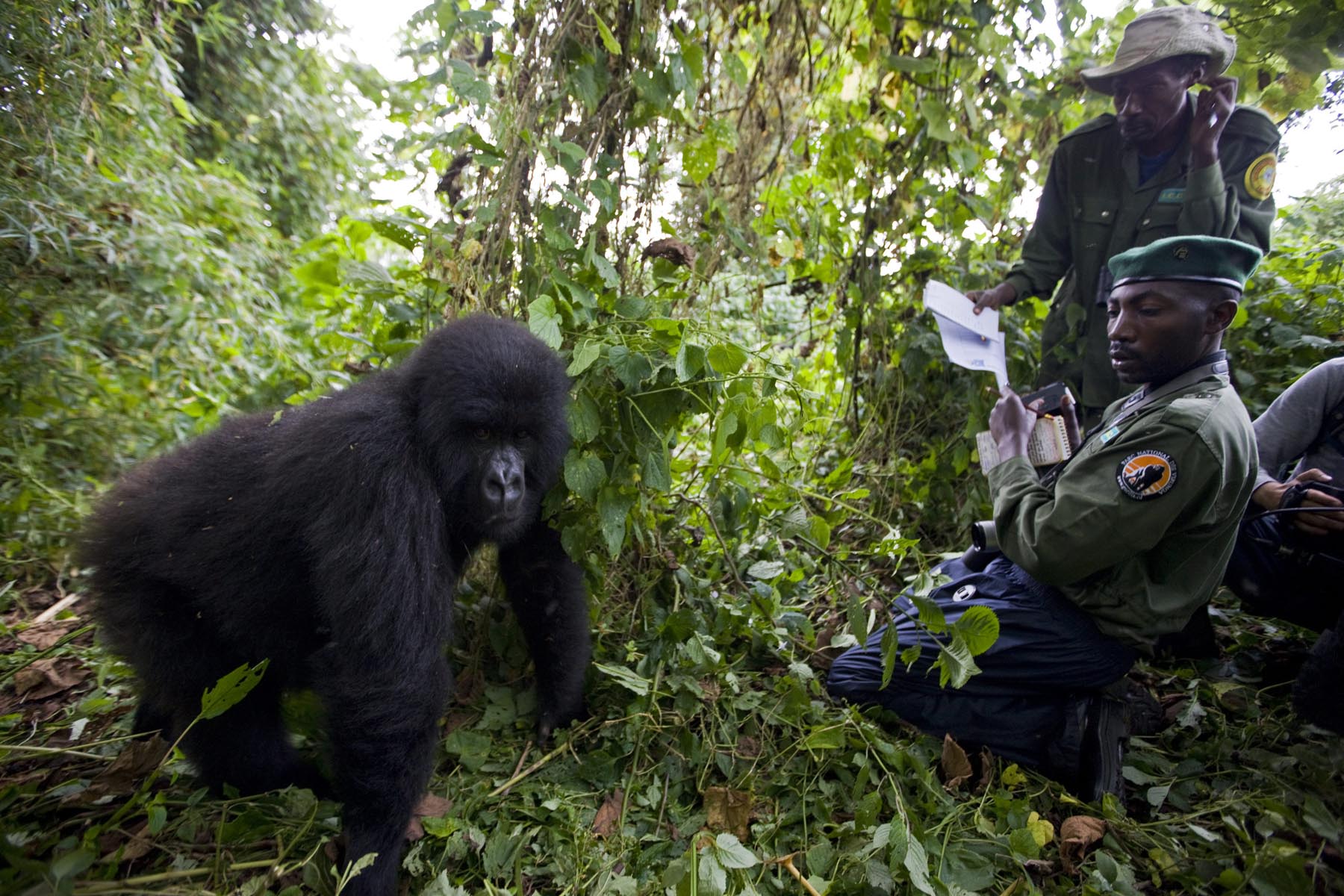
As Uganda battles one of the most serious Ebola outbreaks in recent history, conservationists are racing against time to protect one of Africa’s most treasured species: the endangered mountain gorilla.
Sharing more than 98 percent of their DNA with humans, mountain gorillas are particularly vulnerable to diseases that spread among people. That biological closeness, which makes them one of humanity’s nearest relatives, also increases the risk that deadly viruses such as Ebola could cross from humans into wildlife populations.
Conservation experts warn that protecting gorillas is now an urgent public health and environmental priority.
Preventing a Conservation Disaster
Veterinary doctor and renowned gorilla conservationist Gladys Kalema-Zikusoka says the current Ebola outbreak presents a significant threat to wildlife across the region.
Although Uganda’s mountain gorillas have never recorded an Ebola infection, other gorilla populations in Central Africa have suffered devastating losses.
According to conservation experts, more than 5,000 western lowland gorillas in Gabon and the Republic of Congo have died from Ebola outbreaks over the past three decades.
Those losses serve as a stark reminder of what could happen if the virus reaches Uganda’s fragile gorilla population.
New Equipment for Frontline Protection
To reduce the risk of transmission, Conservation Through Public Health has donated critical equipment to the Uganda Wildlife Authority.
The support package includes 25 non contact infrared thermometers, 450 sets of rain gear, and more than 30 smartphones to strengthen health monitoring efforts in protected wildlife areas.
Officials say the equipment will help rangers monitor both visitor health and animal wellbeing while improving data collection and disease surveillance in remote conservation zones.
The initiative is designed to protect wildlife without completely shutting down tourism activities that are essential to local economies.
Why Tourism Still Matters
While restricting visitor access might appear to be the safest option, conservationists argue that tourism remains a crucial tool for protecting gorillas.
Revenue generated from gorilla tourism supports conservation programs, funds park operations, and provides income for surrounding communities.
Experts point to the COVID-19 pandemic as evidence of the risks associated with prolonged tourism shutdowns. During periods when visitors disappeared, incidents of poaching increased, resulting in the loss of wildlife, including the well known silverback gorilla Rafiki.
Conservationists fear that eliminating tourism entirely could unintentionally create new threats to the animals they are trying to protect.
Ebola Outbreak Raises Regional Concerns
The Africa Centres for Disease Control and Prevention says the current Ebola outbreak affecting Uganda and neighboring regions is among the most severe ever recorded during its first month.
Authorities have reported 894 confirmed cases and 204 deaths, with approximately 35,000 suspected contacts under monitoring.
Health experts believe the true number of infections could be higher because the outbreak may have begun weeks before it was officially confirmed in May.
As governments focus on containing the virus among human populations, conservation organizations are working to ensure endangered wildlife does not become the next victim of the outbreak.
Protecting People and Wildlife Together
Uganda’s response highlights the growing connection between public health and environmental conservation.
The same strategies used to protect communities from disease are increasingly being applied to safeguard vulnerable wildlife populations that share ecosystems with humans.
For conservationists, the fight against Ebola is about more than stopping a virus. It is about preserving one of Africa’s most iconic species while supporting the communities that depend on tourism and biodiversity for their livelihoods.
As Uganda strengthens both health and conservation measures, the effort demonstrates how protecting wildlife and protecting people can go hand in hand. Across Africa, innovative conservation strategies continue to show that safeguarding natural heritage remains possible even during times of crisis, offering hope for future generations and the survival of endangered species.