

|
Getting your Trinity Audio player ready...
|
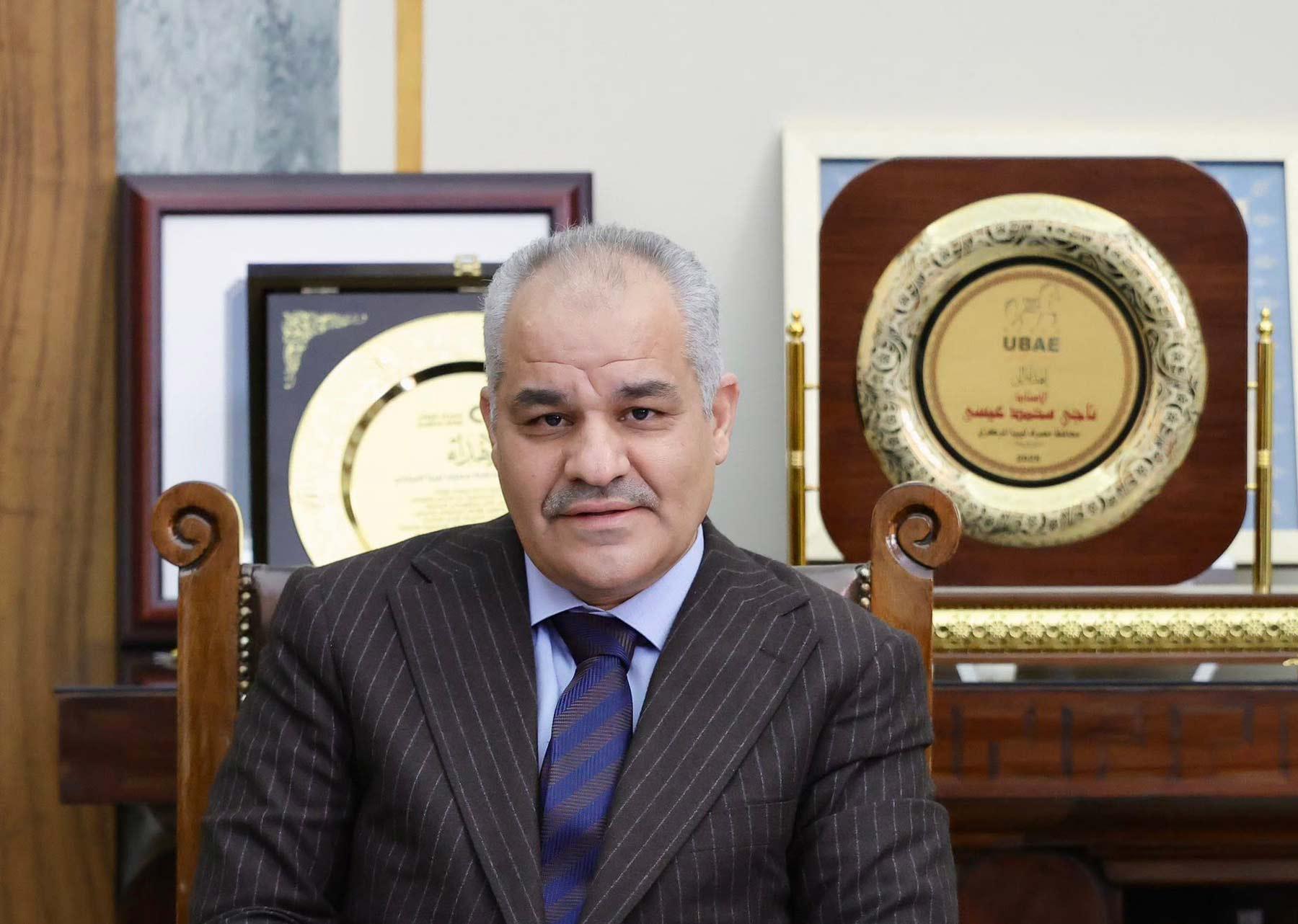
Libya’s Central Bank governor, Naji Issa, has resigned from his position without publicly giving a reason, according to several reports, adding fresh uncertainty to the leadership of the country’s key financial institution.
Private television channel Al-Ahrar reported that Issa had confirmed his resignation on Monday. The Libyan parliament, which is based in the country’s east, had appointed Issa and Central Bank vice-governor Miree al-Barasee in September 2024.
Issa’s departure comes as Libya continues to face deep political and economic divisions, with competing authorities in the country’s east and west and the economy remaining heavily dependent on oil revenues.
Naji Issa appointed after Central Bank standoff
Issa was appointed governor as part of a United Nations-backed agreement intended to resolve a prolonged dispute over the leadership of the Central Bank of Libya.
The agreement followed a wider financial and political crisis that had threatened the country’s oil production and exports.
Issa succeeded Seddik al-Kabir, who had faced criticism from officials close to Libya’s western administration over his management of the Central Bank and state funds.
Officials aligned with Prime Minister Abdulhamid Dbeibah had accused al-Kabir of favouring Libya’s eastern-based administration.
Al-Kabir was removed by authorities in Tripoli in August 2024. His removal triggered a sharp escalation in tensions between Libya’s rival political camps.
Libya’s oil industry caught in political dispute
Following al-Kabir’s removal, the administration based in eastern Libya declared force majeure, resulting in the suspension of oil production and exports.
The disruption had a significant impact on Libya’s economy.
According to the state-run National Oil Corporation, the shutdown cut Libya’s oil production by approximately half, to around 600,000 barrels per day.
Oil remains the backbone of Libya’s economy, with most government revenue derived from the country’s energy resources.
Much of Libya’s oil production is concentrated in the east and south, areas controlled by forces loyal to military commander Khalifa Haftar.
The concentration of oil resources in areas outside the control of the internationally recognised government has repeatedly made the sector a central point of political negotiations and confrontation.
Libya remains divided between rival administrations
Issa’s resignation comes against the backdrop of Libya’s continuing political division.
The country remains split between the UN-recognised government of Prime Minister Abdulhamid Dbeibah in the west and a rival administration in the east backed by Haftar.
The division has persisted since years of conflict following the 2011 NATO-backed uprising that overthrew longtime ruler Muammar Gaddafi.
Despite international efforts to establish a unified political system, Libya has struggled to achieve lasting political stability.
The Central Bank has consequently remained one of the country’s most strategically important institutions, given its role in managing public finances, monetary policy and revenues generated from Libya’s oil sector.
Parliament yet to explain resignation
Libya’s eastern-based parliament had not immediately issued a public explanation for Issa’s resignation.
The lack of an immediate explanation leaves questions about the circumstances surrounding his departure and what it could mean for efforts to maintain financial stability and institutional coordination between Libya’s rival political authorities.
The Central Bank’s leadership has previously been at the centre of disputes between the country’s competing administrations, making changes at the institution closely watched by Libya’s political and economic stakeholders.
For Libya, the latest leadership change comes as the country continues to seek a path toward greater political and economic stability while relying heavily on oil revenues to finance the state.