
Zambia Heads to the Polls as Economy and Youth Unemployment Dominate 2026 Election

|
Getting your Trinity Audio player ready...
|
Zambians are heading to the polls in the country’s eighth general election since the return to multiparty democracy in 1991, with the state of the economy emerging as one of the defining issues for voters.
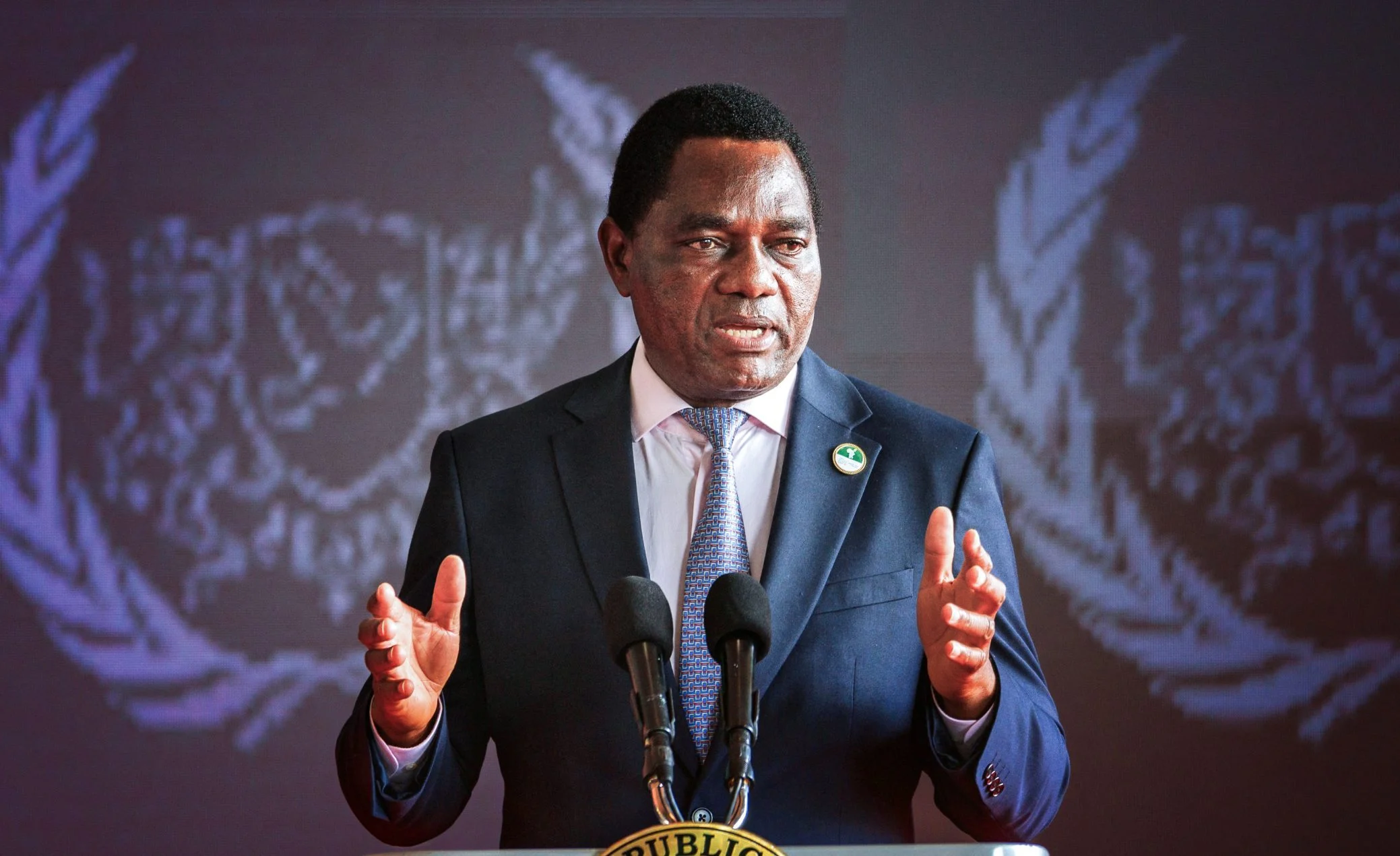
President Hakainde Hichilema and his governing United Party for National Development (UPND) are seeking another five year term, arguing that more time is needed to complete the economic reforms undertaken since taking office.
The government inherited almost $19 billion in foreign debt, making debt management and economic recovery central to its agenda.
But while the government points to its reform programme, many Zambians say they have yet to experience meaningful improvements in their everyday lives. Unemployment, particularly among young people, remains a major concern.
Political analyst Leah Mitiba said the election remains difficult to predict, particularly because voter turnout could have a significant impact on the result.
“These elections are quite unpredictable,” Mitiba said.
She pointed to the possibility of a large turnout similar to the 2021 election, saying voters who may appear quiet during campaigns could still turn out in significant numbers to determine whether the governing party remains in power.
Economist Trevor Hambayi, meanwhile, argued that the government has had sufficient time to demonstrate results.
“Generally speaking, they had enough time, but they were not able to turn around the economy within that time,” Hambayi said.
Copper Economy at the Centre of the Debate
Zambia’s economy remains closely linked to copper, one of the country’s most important exports.
Hambayi argued that Zambia missed an opportunity to use rising global copper prices to accelerate economic recovery.
“The escalation of the price of copper has been positive and that we could have used to be able to drive economic recovery,” he said.
The debate highlights the challenge facing Zambia as it attempts to translate its mineral wealth into broader economic benefits.
Copper remains central to Zambia’s economy, but the election campaign has placed renewed attention on whether increased revenues from the country’s natural resources can translate into more employment, stronger household incomes and improved living conditions.
Young Voters Could Decide the Election
The country’s demographic profile makes young voters particularly important in the election.
Nearly 70 percent of Zambia’s population is under the age of 30, according to the information cited in the report.
That means the concerns of young Zambians are likely to play a major role in determining the country’s political direction.
Employment is particularly important for this demographic, with high youth unemployment remaining one of the country’s major economic challenges.
For young voters, the election is therefore not simply about political parties or personalities. It is also about whether the next government can create an economy capable of providing meaningful opportunities for a rapidly growing young population.
Hichilema Seeks a Second Term
Hichilema is campaigning for another five years in office, with his administration defending the economic reforms introduced since taking power.
The president and his governing party argue that additional time is necessary to complete those reforms and build on the economic changes made during the current administration.
Opposition voices, however, contend that economic improvements have not reached enough ordinary Zambians and that the government should be judged on tangible outcomes rather than promises.
That disagreement is likely to remain central as voters make their decision.
The election comes at a significant moment for Zambia. The country is attempting to manage its debt, benefit from high global demand for copper and create opportunities for a population that is overwhelmingly young.
The result will determine whether voters give Hichilema and the UPND another five years to pursue their economic programme or choose a different direction.
Whatever the outcome, the pressure on Zambia’s next government will be clear: turn the country’s natural wealth and young population into broader economic opportunity.
The Voice of Africa believes Zambia’s young population is not simply an electoral statistic. It represents the country’s greatest long term opportunity. The challenge for the next government will be turning copper wealth, economic reforms and a youthful population into productive jobs, stronger businesses and wider opportunity. Zambia’s future will ultimately be shaped by how effectively it converts the resources it has today into possibilities for the generation that will lead the country tomorrow.