
Sharpeville Massacre Survivors Seek Compensation in Landmark South Africa Class Action

|
Getting your Trinity Audio player ready...
|
Survivors of the Sharpeville massacre and relatives of those killed have launched a class-action lawsuit seeking compensation more than 66 years after apartheid police opened fire on protesters opposing discriminatory pass laws. The applicants also want a court to strike down the Indemnity Act of 1961, legislation they argue prevented victims of the massacre from pursuing legal claims against the state.
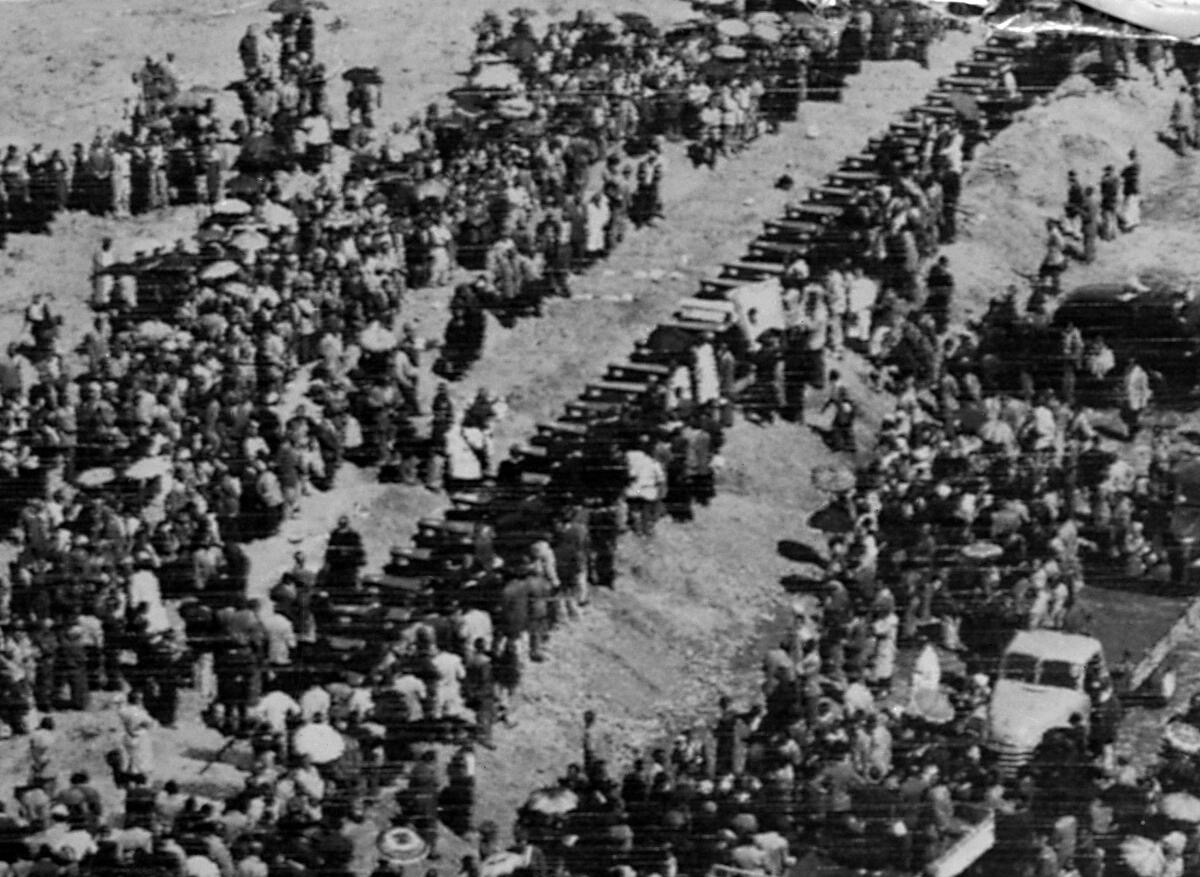
On 21st March 1960, police opened fire on an unarmed crowd protesting apartheid pass laws in Sharpeville, south of Johannesburg. Apartheid-era police records put the toll at 69 people killed and 180 injured. Research cited by the applicants places the number of deaths and injuries higher. The massacre became one of the defining events of resistance to apartheid and generated international condemnation.
South Africa now commemorates 21st March as Human Rights Day. More than six decades later, survivors and affected families argue that legal accountability remains incomplete. Around 258 claims were originally filed following the massacre, but the subsequent Indemnity Act shielded officials from legal liability and effectively ended those proceedings.
The current applicants argue that the law is incompatible with South Africa’s constitutional right of access to the courts. If the challenge succeeds, individual damages claims could proceed. Lawyers have not announced a single total amount being sought because compensation would need to be assessed separately for different claimants.
More than 70 survivors and relatives have expressed interest in or support for joining the litigation. The case also seeks to address what lawyers describe as gaps left by South Africa’s Truth and Reconciliation Commission process. Only 51 Sharpeville survivors were formally awarded reparations through that process.
The Sharpeville action comes as South Africa increasingly revisits unresolved apartheid-era abuses. Inquiries and legal processes concerning the deaths of anti-apartheid figures including Steve Biko, members of the Cradock Four and Chief Albert Luthuli have also received renewed attention.
The government had not responded publicly to the lawsuit at the time of the latest reporting. The merits of the applicants’ constitutional arguments and any resulting claims will therefore ultimately have to be tested through South Africa’s courts.
For The Voice of Africa, transitional justice should not have an arbitrary expiry date. South Africa built one of Africa’s strongest constitutional systems out of the ruins of apartheid, but democratic transition did not automatically resolve every injustice inherited from that system. Institutions mature partly through their willingness to confront unfinished history. Sharpeville helped change South Africa and influenced the global struggle against apartheid. Sixty-six years later, its survivors are asking whether the democratic state they helped make possible can still hear their claim for justice.