
Women in STEM Africa Summit Calls for Investment in Women Building the Continent’s Technology Future

|
Getting your Trinity Audio player ready...
|
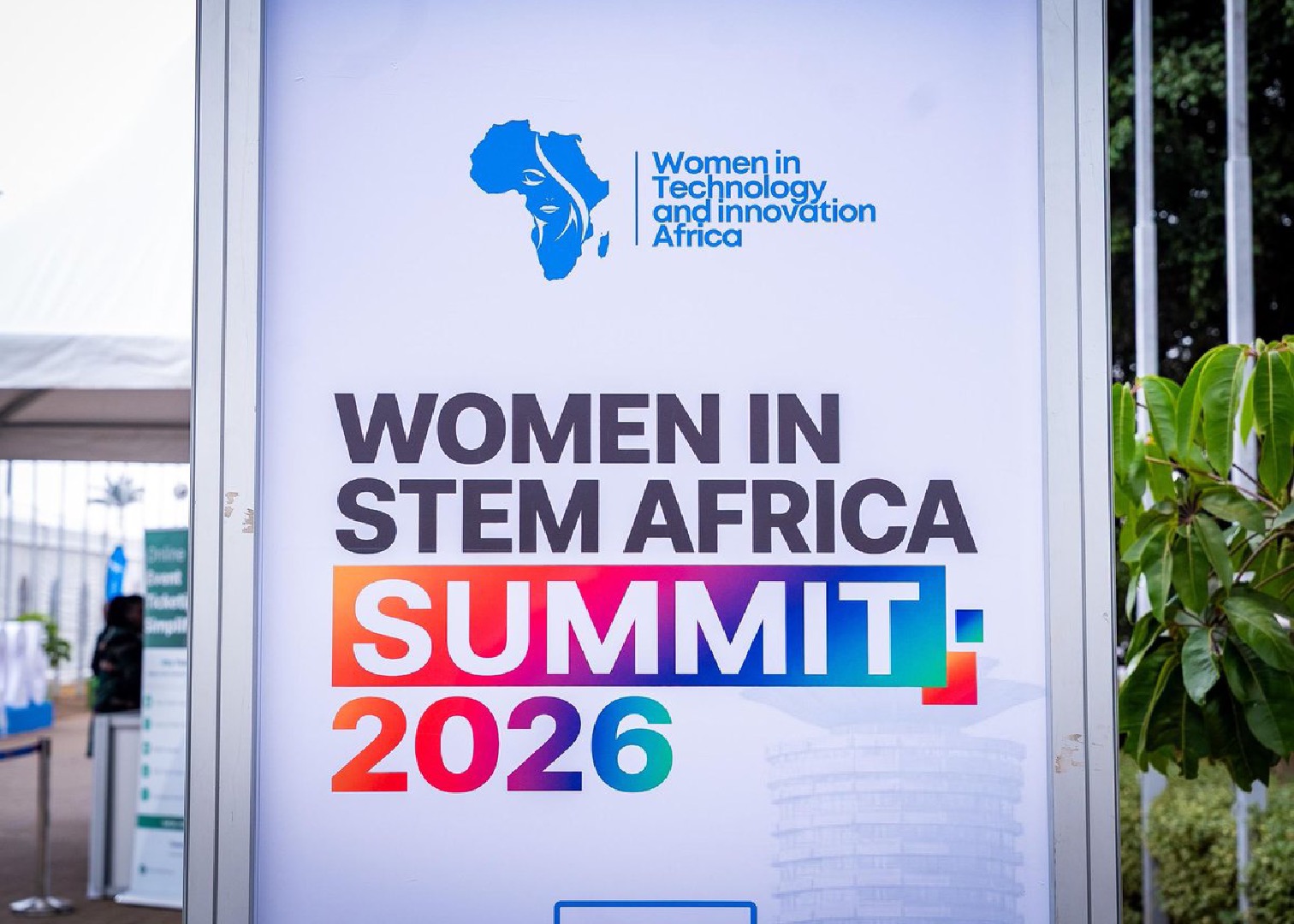
African policymakers, researchers, entrepreneurs and investors are gathering in Nairobi for the Women in STEM Africa Summit, with participants calling for stronger pathways that allow women to move from education and research into technology leadership, entrepreneurship and investment.
The two-day summit is taking place on 3rd and 4th September at the Kenyatta International Convention Centre. It brings together participants from government, education, technology, business, research and development institutions.
Discussions are focused on artificial intelligence, digital transformation, entrepreneurship, responsible technology, data governance, innovation and opportunities for women and girls in science, technology, engineering and mathematics.
A central theme is that increasing the number of girls studying STEM subjects will not by itself close the gender gap if women struggle to progress into research careers, company leadership or entrepreneurship. Participants have therefore called for greater access to finance, skills, markets, professional networks and pathways that allow ideas developed in universities and laboratories to become viable enterprises.
The summit has also highlighted the relationship between education and Africa’s wider economic transformation.
Strong research systems can generate knowledge and technology, but their economic value increases when universities are connected to businesses, investors and communities capable of translating research into products and services. Women remain an important part of that equation.
Equal access to STEM education means little if financing, mentorship and professional structures narrow opportunities later in a woman’s career. The summit’s Investor Pitch Arena attempts to address one part of that problem by giving startups and innovators direct access to investors and industry leaders.
A winning startup received Sh500,000 to support the scaling of its innovation, alongside opportunities to connect with potential investors and venture-capital partners.
The programme also places deliberate attention on girls.
Education leaders at the summit have argued that African education systems need to move beyond preparing young people only to seek jobs and instead develop people capable of creating technologies, businesses and solutions.
For Africa, that matters because the continent’s young population will enter labour markets at the same time that AI and digital technologies are reshaping the nature of work globally.
For The Voice of Africa, investing in women in STEM is not a niche gender project. It is an economic strategy. Africa cannot afford to build its technology future while underusing half of its talent. Many of the continent’s innovation ecosystems are still young, which gives African states an opportunity to design them more inclusively from the beginning rather than correcting entrenched exclusion decades later. Women should not merely be invited into Africa’s technological transformation. They should be financing it, researching it, regulating it and leading the companies that emerge from it.