
|
Getting your Trinity Audio player ready...
|
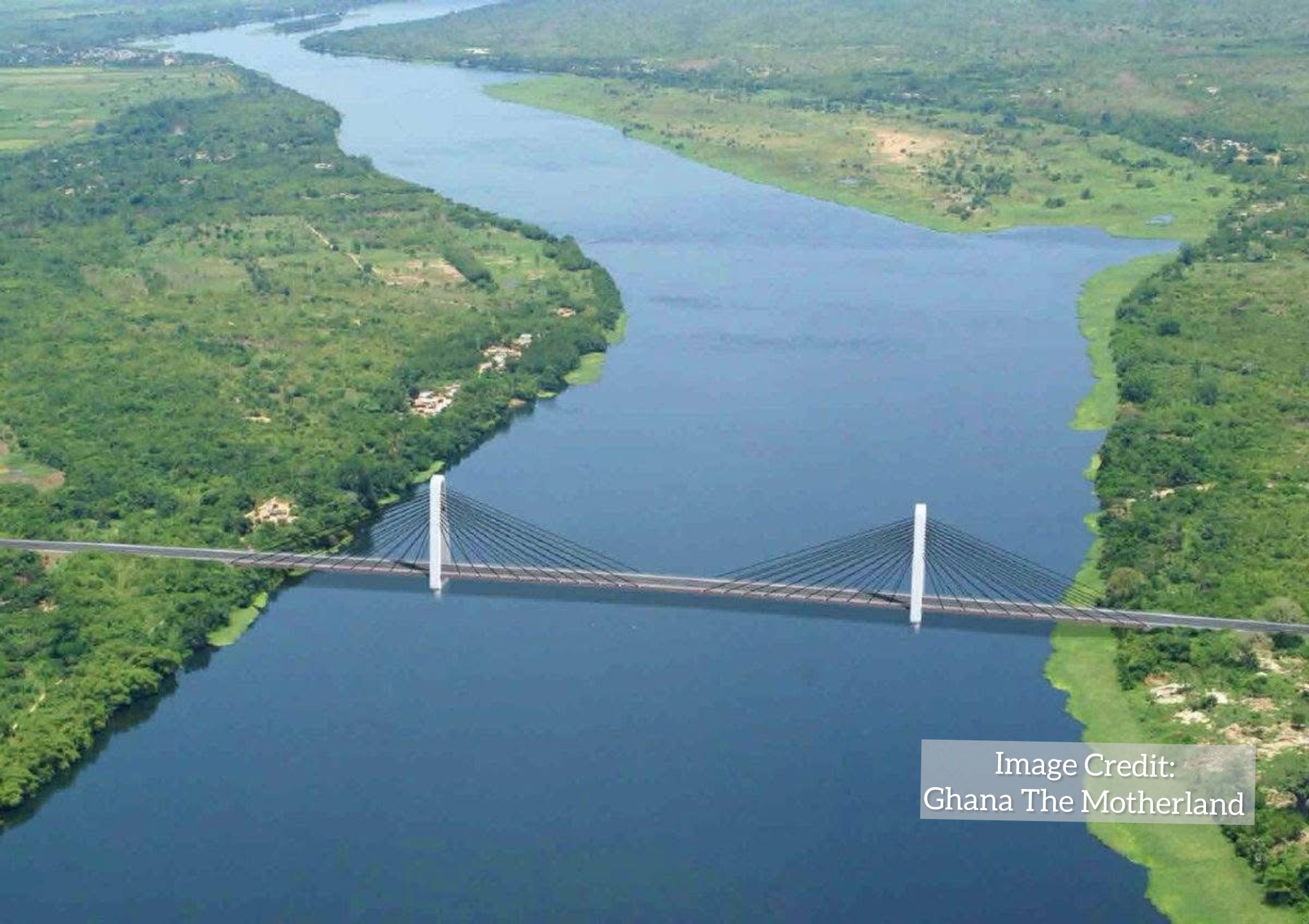
Japan has officially renewed its support for Ghana’s landmark Volivo Bridge project, a key component of former President John Dramani Mahama’s ambitious $10 billion “Big Push” infrastructure plan. The project, which aims to transform Ghana’s infrastructure landscape, is set to receive further assistance from the Japanese government to address rising costs and expedite its completion.
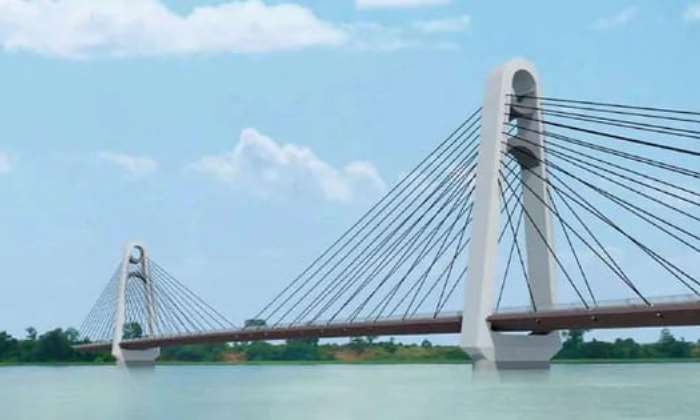
The Volivo Bridge, designed to span the Volta River in the Eastern Corridor, is intended to decongest the overburdened Adomi Bridge and provide a more efficient transportation link between southern Ghana and the northern regions. It will also enhance connectivity with neighboring landlocked countries such as Burkina Faso and Niger. When completed, the bridge is expected to significantly boost trade, regional integration, and socioeconomic development.
Japan first pledged support for the Volivo Bridge in December 2016, under Mahama’s administration. Through the Japan International Cooperation Agency (JICA), a concessional loan of approximately ¥11.2 billion (around $100 million) was secured. The terms were highly favorable: a 0.1% interest rate, a 40-year repayment period, and a 10-year grace period. While construction began under the succeeding administration, the foundation of the project is widely credited to Mahama’s strategic diplomacy and planning.
In recent discussions between Ghana’s Roads and Highways Minister, Francis Asenso-Boakye, and Japanese Ambassador to Ghana, Mochizuki Hisanobu, the two nations reaffirmed their commitment to completing the project. The ambassador acknowledged that due to inflation, currency depreciation, rising fuel costs, and COVID-19-related delays, additional financing may be required. Japan, he assured, is actively exploring ways to provide that support to ensure the project does not stall.
Minister Asenso-Boakye expressed deep appreciation for Japan’s long-standing partnership and reiterated the government’s commitment to seeing the bridge completed. He emphasized the project’s importance not only in decongesting roads and reducing travel times but also in stimulating economic activity and creating jobs across the region.
The Volivo Bridge is a flagship element of Mahama’s broader “Big Push” initiative a $10 billion infrastructure plan that includes roads, railways, hospitals, schools, and water systems. The initiative is designed to simultaneously boost economic growth and create employment opportunities, especially among the youth. Mahama has consistently stated that under his next administration, the Big Push would complete unfinished projects, invest in new public infrastructure, and revive Ghana’s industrial and transport backbone.
Some confusion has arisen over which administration deserves credit for the bridge. However, fact-checking organizations confirm that while construction started during the Nana Akufo-Addo government, the financing and planning originated during Mahama’s tenure. Thus, the Volivo Bridge remains one of the key legacy projects initiated under Mahama’s leadership.
The renewed Japanese support for the bridge highlights the critical role international partners play in achieving Ghana’s development goals. As Ghana intensifies efforts to modernize its infrastructure, the Volivo Bridge stands as a symbol of resilience, strategic planning, and the value of global cooperation in building sustainable futures.
With the collaboration between Ghana and Japan strengthened, and political will on both sides, the Volivo Bridge is now on track to become a transformative structure, bridging not just a river, but also economic divides between regions. Its successful completion will mark a major milestone in Ghana’s infrastructure story and set the stage for further ambitious undertakings under the Big Push agenda.