
Power in Numbers: How Gender Data is Driving Real Change for African Women
Written By Maxine Ansah

|
Getting your Trinity Audio player ready...
|
In the pursuit of gender equality, reliable data is proving to be one of the most powerful tools in Africa’s arsenal. From local radio shows in Zanzibar to disaster response teams in Kenya, gender statistics are helping communities shift attitudes, influence policy and protect lives.
For years, gender data has been underfunded and overlooked. Yet it is essential for understanding the root causes of inequality and responding with evidence-based solutions. The UN Women’s Women Count programme, launched in 2016 and supported by partners including the Governments of Australia, France, Ireland, Italy and Sweden, as well as the Gates Foundation, is changing that reality. With over USD 80 million invested to date, the initiative is placing gender data at the heart of planning and decision-making in over 30 countries.
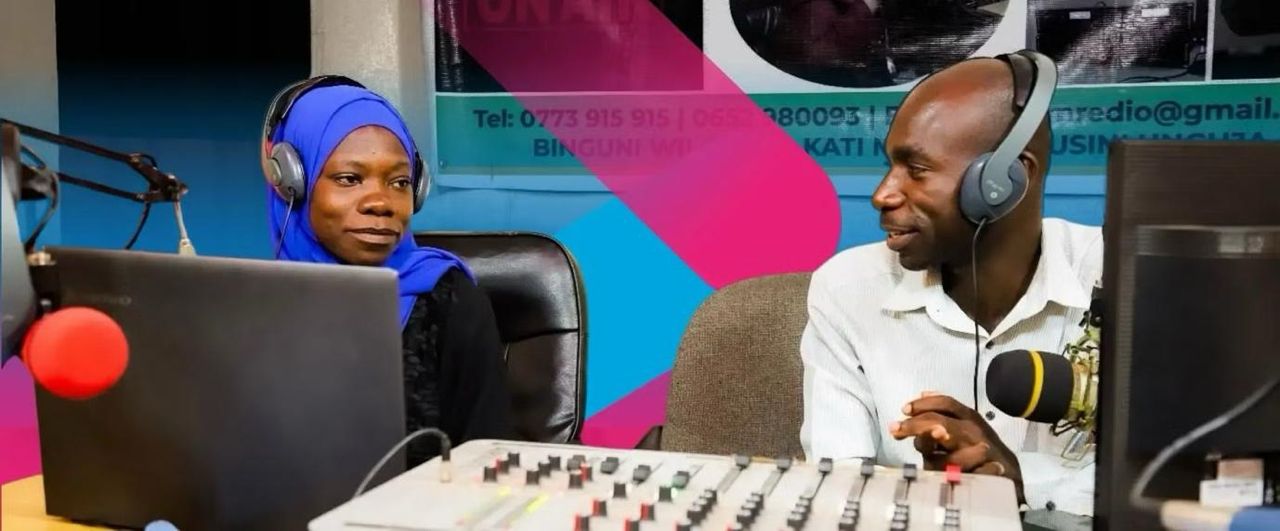
In the United Republic of Tanzania, local radio is turning statistics into life-saving conversations. On Zanzibar’s Tumbatu FM and Kati Radio, presenters share monthly data on violence against women and girls, released by the Zanzibar Office of the Chief Government Statistician in collaboration with UN Women. These broadcasts are more than just numbers. They include expert interviews, awareness messaging and practical information on where and how to seek help.
“It gives people the confidence to speak out,” says Amina Mohamed, a presenter at Kati Radio.
Since the stations began airing the data, reported cases to Zanzibar Police have risen by 28 percent compared to 2020. These data are now shaping interventions under Tanzania’s National Plan of Action to End Violence against Women and Children, helping establish gender desks at police stations and one-stop centres offering legal aid, counselling and health services.
In Kenya, gender data played a vital role in the aftermath of the April 2024 floods in Mathare, Nairobi. Community health promoter Isabella Nzioki, trained by UN Women and GROOTS-Kenya, collected disaggregated data on the 81 flood survivors. These records helped the Kenya Red Cross and government agencies deliver targeted assistance, including mobile clinics, water treatment supplies and financial aid.
“It bridged the gap between survivors and humanitarian agencies,” Nzioki explained. The data highlighted vulnerable groups such as pregnant and lactating women, ensuring they were not overlooked in the response.
The African context has long been characterised by underreporting, cultural taboos and a lack of institutional data on gender-based issues. But this is beginning to change. From rural communities to national policy rooms, data is transforming how governments and grassroots actors address the unique challenges faced by women and girls.
The UN Women’s Women Count programme is not just producing statistics. It is strengthening national statistics systems, building local capacity and helping African nations create policies that reflect the realities on the ground.
“We share the data because it is so important,” said Juma Haji Juma, a radio presenter in Zanzibar. “When news is backed by data, it carries more weight and encourages people to find the right solutions.”
As the programme prepares to launch its third phase in 2026, UN Women is calling on global partners and local actors alike to continue supporting this data revolution. From curbing gender-based violence to informing climate resilience and disaster response, gender data is no longer a luxury. It is a necessity.