

|
Getting your Trinity Audio player ready...
|
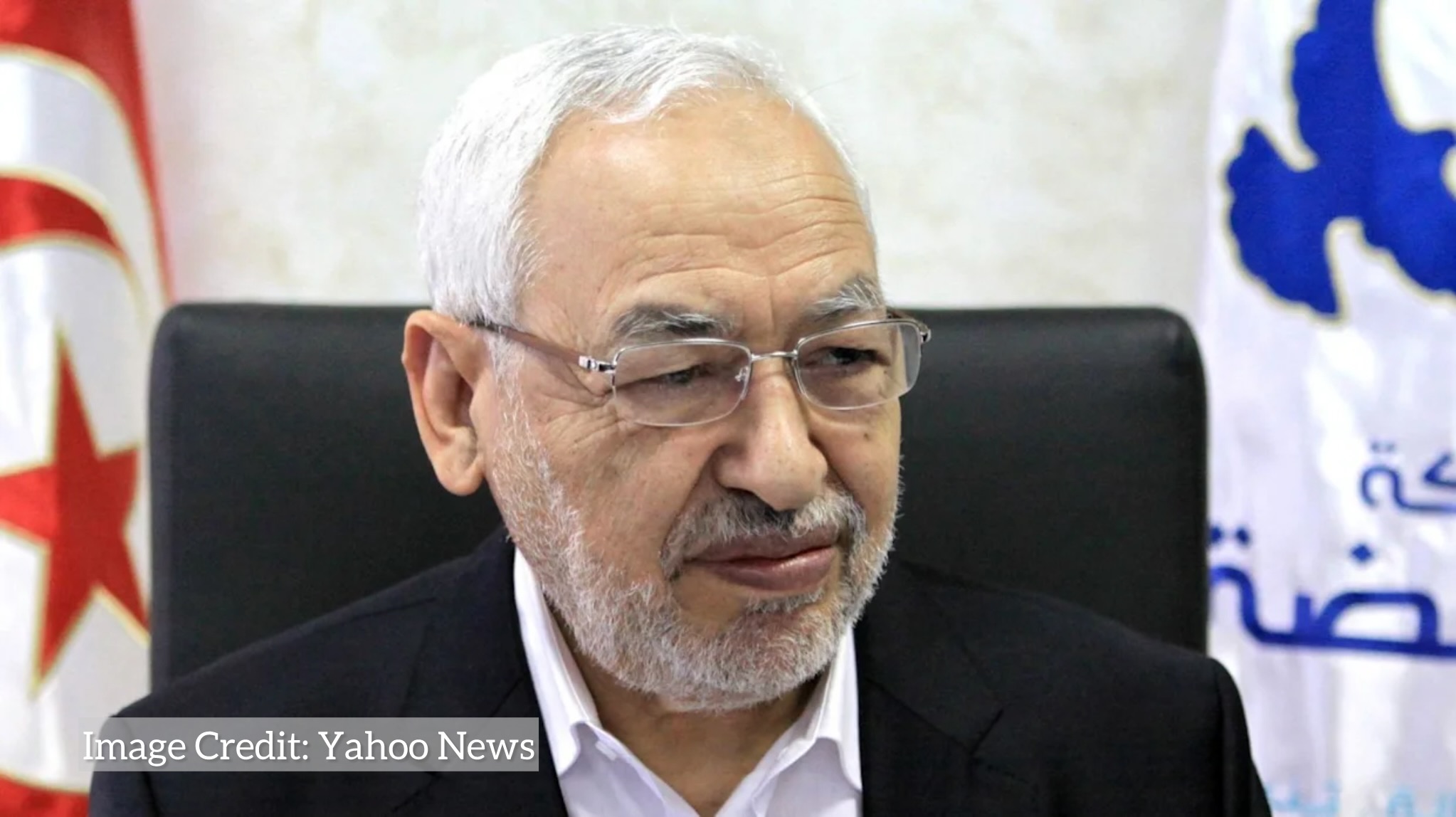
Rached Ghannouchi, a prominent opposition figure and longtime leader of Tunisia’s Ennahda party, has been sentenced to 14 years in prison on charges related to alleged threats against state security. The verdict, delivered on Tuesday, adds to a growing list of prison terms already handed down to the 84-year-old political veteran, raising further alarm among human rights advocates and international observers.
Ghannouchi, who has been held in custody since 2023, was among 18 political and security figures convicted in the same case. Tunisian authorities accuse the group of “conspiring against state security,” but Ghannouchi’s legal team has firmly rejected the charges, describing the trial as politically motivated and lacking due process.
A High-Profile Political Legacy
Ghannouchi is widely regarded as one of Tunisia’s most influential political personalities. As the founder and long-time leader of Ennahda, a moderate Islamist party that has often held a majority in the Tunisian parliament, his role in shaping the country’s post-Arab Spring democratic transition was once celebrated. He also served as Speaker of Parliament until its dissolution in 2021.
This latest sentence is the fourth conviction against Ghannouchi in less than two years. Previous charges have included money laundering and inciting unrest, with cumulative sentences now exceeding 20 years. Notably, Ghannouchi declined to attend Tuesday’s court proceedings, even remotely, in protest of what his supporters describe as a politically rigged process.
Family Members and Former Officials Also Targeted
The recent verdicts extend beyond Ghannouchi himself. According to Tunis Afrique Presse, his son Mouadh and daughter Tasnim both currently outside Tunisia, were each sentenced in absentia to 35 years in prison. Additionally, former foreign minister Rafik Abdessalem Bouchlaka and ex-intelligence chief Kamel Guizani received similar lengthy sentences despite not being present at the trial.
The wave of convictions is seen by many as part of a broader crackdown by President Kais Saied, who has dramatically reshaped Tunisia’s political landscape since suspending parliament in July 2021 and assuming emergency powers. Saied has ruled largely by decree since then, sidelining opposition parties and dissolving key democratic institutions.
Rising Concerns Over Human Rights and Rule of Law
Human rights organizations both inside and outside Tunisia have condemned the recent prosecutions, citing an erosion of judicial independence and a sharp rise in politically motivated detentions. Several critics of President Saied, including lawyers, journalists, civil society leaders, and opposition politicians have faced legal repercussions since he took control.
“This pattern of repression is deeply concerning,” said a representative of an international human rights watchdog “What we’re witnessing is not simply a political dispute, but a sustained campaign to dismantle dissenting voices and dismantle democratic norms in Tunisia.”
Despite mounting criticism, President Saied continues to reject accusations of authoritarianism, insisting that his actions are intended to restore order, eliminate corruption, and prevent the return of what he describes as a “dysfunctional and corrupt political system.”
Tunisia’s Fragile Democracy in Question
Tunisia was once viewed as the lone democratic success story to emerge from the 2011 Arab Spring uprisings. However, recent developments have raised doubts about the country’s political trajectory. The arrest and sentencing of high-profile figures like Ghannouchi signal a sharp turn away from the pluralism and free expression that characterized the immediate post-revolution years.
As Ghannouchi and others face prolonged incarceration, Tunisia’s democratic institutions and political freedoms continue to be tested. The future of opposition politics in the country now hangs in the balance, with international actors and domestic advocates calling for greater transparency, legal fairness, and the restoration of civil liberties.