

|
Getting your Trinity Audio player ready...
|
The legal battle over sex eligibility in women’s sports reached a turning point as the European Court of Human Rights ruled that Caster Semenya was unfairly treated in earlier legal proceedings. The decision reinforces the need for stricter judicial oversight in high-stakes sports disputes.
Background: A Battle Over Biology and Fairness
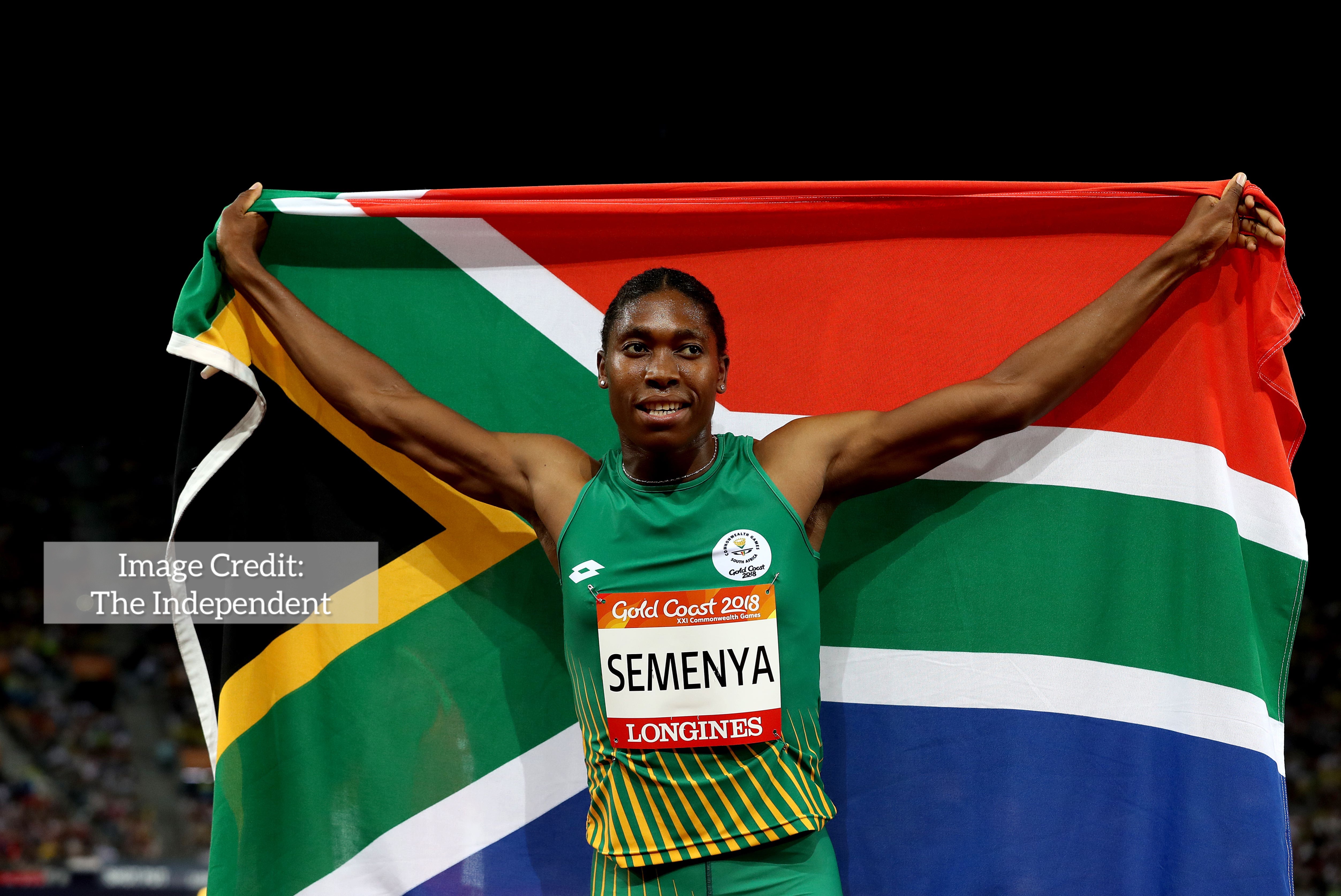
Caster Semenya, a two-time Olympic gold medallist and three-time world champion in the 800 metres, has been at the centre of a global debate regarding the participation of athletes with differences in sex development (DSD) in women’s sports. At the core of the dispute are rules established by World Athletics, the international governing body for track and field, which require certain female athletes with naturally high testosterone levels to lower them in order to compete in specific women’s events.
These regulations effectively ended Semenya’s elite-level 800m career after 2019, following a run of dominance in the event. Semenya, who has a naturally elevated testosterone level due to a DSD condition, has consistently argued that her biology is a natural gift and that the rules are discriminatory.
Court Ruling: Fair Hearing Denied
In a 15-2 decision, the ECHR’s highest chamber ruled that Semenya’s right to a fair hearing was not fully upheld when the Swiss Federal Supreme Court reviewed her appeal against an earlier ruling by the Court of Arbitration for Sport (CAS). CAS had previously upheld the legality of World Athletics’ regulations, deeming the rules necessary to preserve fairness in female competition.
However, the ECHR found that because Semenya was compelled to take her case through the CAS – an institution athletes must use due to its mandatory jurisdiction in sports disputes – Switzerland had a heightened responsibility to ensure a thorough judicial review. The ECHR concluded that the Swiss court did not meet that standard, a significant legal finding that sends the case back to Switzerland for further review.
In recognition of this failure, the ECHR awarded Semenya $94,000 in compensation for legal costs and related expenses.
What This Means for Sports Governance
The court’s ruling does not overturn World Athletics’ current rules, nor does it allow Semenya an automatic return to her preferred event. However, it shines a critical spotlight on the processes governing legal recourse for athletes challenging international sporting bodies. With more sports organizations reviewing or implementing similar eligibility criteria, the ruling could have wider implications for how such rules are scrutinized and enforced.
Athletes with DSD or intersex traits have often found themselves at the heart of contentious policy debates, with questions about fairness, inclusion, and medical ethics intersecting. The ECHR ruling emphasizes the importance of robust legal oversight when human rights are potentially affected in sport-related decisions.
Previous Legal Developments
This is not the first time Semenya has received support from the European human rights court. In a 2023 decision, the ECHR acknowledged that she had experienced discrimination, a ruling that set the stage for this week’s decision concerning her right to a fair legal process.
Back in 2019, the CAS had upheld World Athletics’ rules in a narrow 2-1 decision, stating that while the regulations were discriminatory, they were “necessary, reasonable and proportionate” to preserve integrity in women’s events.
Semenya’s Journey Beyond the Track
Since being ruled ineligible to compete in the 800 metres, Semenya has occasionally raced in longer distances such as the 5,000 metres, though with limited success at the international level. Her last high-profile 800m victory came at the 2019 Prefontaine Classic, where she clocked a time of 1:55.7 a mark faster than the winning time at the 2024 Paris Olympics.
Now 34 years old, Semenya has transitioned into coaching and remains a vocal advocate for the rights of athletes with DSD. She maintains that her continued legal fight is no longer about returning to competition, but about defending the principle of dignity, fairness, and inclusion in sport.
Looking Ahead
The ECHR’s decision compels the Swiss legal system to take a fresh look at Semenya’s case, offering a renewed opportunity for legal redress. While it does not directly challenge the existing regulations set by World Athletics, it raises broader questions about how athletes are treated within international sports law structures and whether those systems offer adequate protection for their fundamental rights.
As international sports bodies and legal institutions take stock of this ruling, Semenya’s fight has come to symbolize a larger conversation, not only about biology and competitive fairness but also about justice, agency, and the future of inclusion in global sport.