

|
Getting your Trinity Audio player ready...
|
A refugee policy introduced under President Donald Trump’s administration has sparked internal debate and international scrutiny over its focus on white South Africans specifically, Afrikaners, while leaving the eligibility of other racial minorities in South Africa in question.
According to diplomatic sources, in early July, a senior U.S. embassy official in Pretoria, David Greene, sought clarification from Washington on whether South Africans classified as “coloured” (mixed race), or other non-white minorities such as Khoisan or Jewish communities, could qualify for resettlement under the newly implemented refugee initiative. Greene’s inquiry came in the form of a diplomatic cable sent on July 8, highlighting the ambiguity surrounding the policy’s application in South Africa’s racially diverse context.
The policy was initially laid out in a February executive order by President Trump, aimed at resettling “Afrikaners in South Africa who are victims of unjust racial discrimination.” Afrikaners are a white ethnic group descended primarily from Dutch settlers. However, the term does not exclusively reflect language or culture, as it excludes other Afrikaans-speaking communities, many of whom are classified as coloured under South Africa’s apartheid-era racial categories.
Tensions Over Eligibility
Greene’s cable reportedly asked whether the embassy could accept refugee applications from individuals who may not be white but share cultural and linguistic ties with Afrikaners, such as coloured South Africans. He also referenced indigenous Khoisan people and members of the Jewish community, expressing that in the absence of firm guidance, the embassy would consider race-based persecution claims from other minorities.
Shortly after, Spencer Chretien the senior official at the State Department’s Bureau of Population, Refugees, and Migration, responded via email, indicating that the refugee program was designed for white individuals. Although Reuters, which first broke the story, could not verify the exact wording of Chretien’s response, three independent sources confirmed the message’s contents.
However, the State Department has since suggested a broader interpretation. In a public statement issued on July 18, it claimed the policy allows for consideration of both Afrikaners and other racial minorities who have experienced racial persecution. This aligns with updated guidance posted in May, which stated applicants must either be of Afrikaner descent or belong to a South African racial minority.
Implementation and Political Undertones
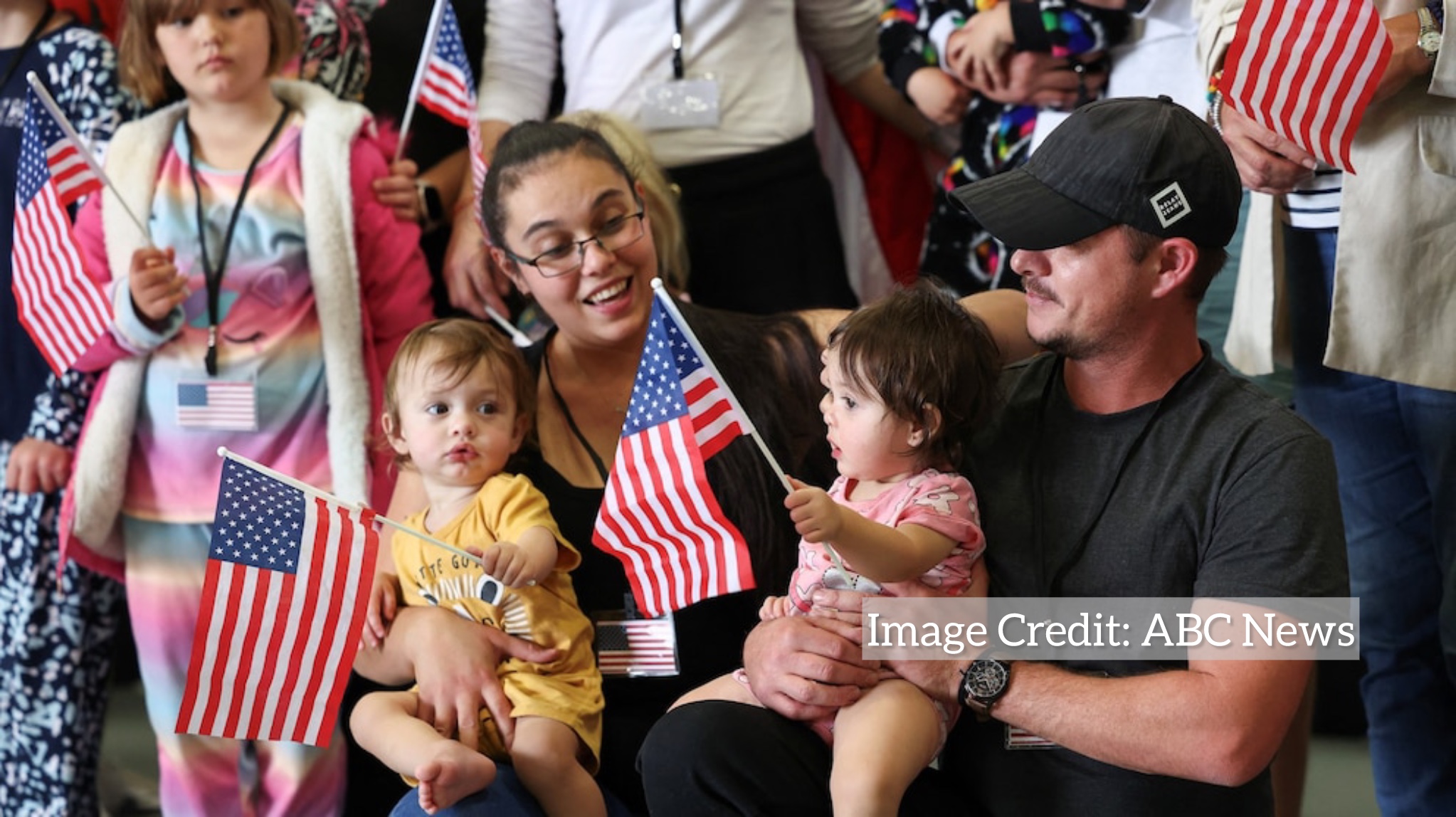
To date, 88 South Africans have been resettled under the program, with an additional 15 expected to arrive by the end of August. One family identified as coloured has already entered the U.S. under the refugee scheme, according to two individuals familiar with the process, suggesting a more flexible interpretation on the ground.
The program comes amid broader global migration restrictions imposed by Trump. Upon returning to office, the president reinstated a sweeping freeze on general refugee admissions, stating that the United States would only admit individuals who can “fully and appropriately assimilate.”
Trump’s refugee order targeted Afrikaners as victims of “violence against racially disfavored landowners,” a claim echoed by far-right groups and personalities, including Elon Musk. The U.S.-born billionaire, himself of South African origin, has previously amplified narratives of white persecution in the country claims that the South African government firmly denies.
South Africa’s ruling administration has consistently rejected allegations of “white genocide” or state-sponsored discrimination against minority landowners. Officials argue there is no credible evidence of racially motivated violence targeting white South Africans at the level described by U.S. narratives.
Diplomatic Fallout
The refugee program has fueled tension between Washington and Pretoria, especially following a contentious Oval Office exchange between Trump and South African President Cyril Ramaphosa in May. During the meeting, Trump reportedly presented a misleading image from the Democratic Republic of Congo, falsely claiming it depicted killings of white South Africans.
The diplomatic discord is compounded by internal confusion within U.S. agencies over how to execute the policy fairly and legally. While Trump has publicly claimed that the policy is not racially preferential saying,
“They happen to be white, but whether they are white or Black makes no difference to me”, the reality has been far more complex.
Broader Implications
At least 67,000 South Africans have reportedly expressed interest in the program, according to figures from the South African Chamber of Commerce. Yet with eligibility guidelines still being debated, the program’s future remains unclear, particularly for non-white minorities seeking refuge on similar grounds of persecution.
Critics argue that the policy appears to give preferential treatment based on race, while others see it as a humanitarian initiative to protect minority communities in a politically volatile region. The broader impact of the refugee order could shape future U.S. asylum practices, especially regarding how race, ethnicity, and cultural identity intersect in refugee law.
As Washington continues to navigate the operational and moral complexities of this controversial refugee program, the need for clarity, transparency, and consistent application of U.S. immigration law has never been more urgent.
Source: Reuters
Read Also: Nigerian-Linked Crypto Fraud Ring Loses $7.5M To U.S. Seizure Operation