

|
Getting your Trinity Audio player ready...
|
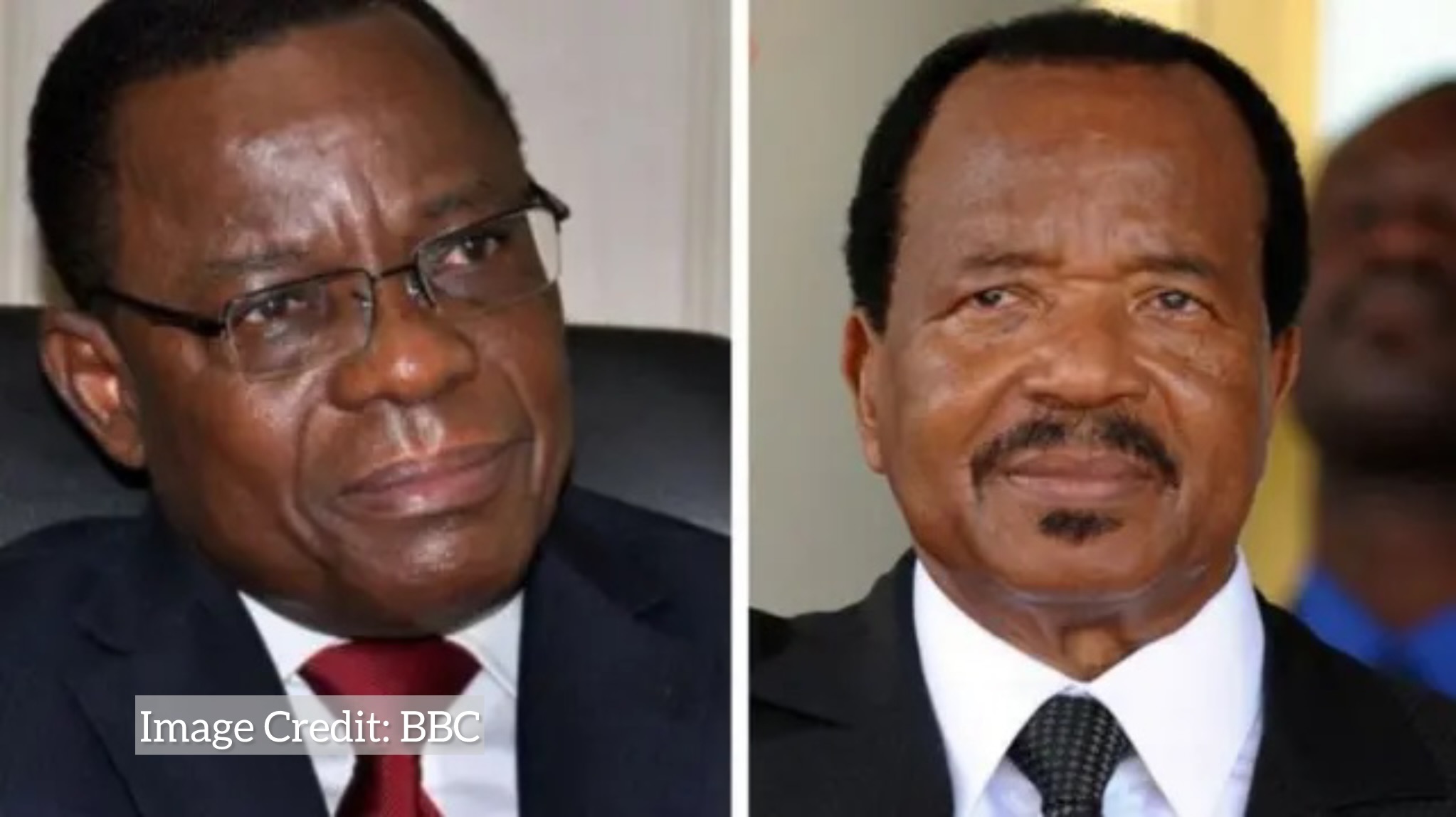
Cameroon’s Electoral Commission (ELECAM) has ignited a wave of political tension by disqualifying Maurice Kamto, the country’s leading opposition figure, from participating in the upcoming presidential elections scheduled for October 12, 2025. The decision is already raising concerns over democratic transparency and increasing fears of civil unrest in a nation grappling with political stagnation and regional conflict.
Kamto, a respected law professor and former government minister, was widely seen as the most formidable challenger to President Paul Biya, who has ruled the Central African country for over four decades. The electoral commission confirmed the approval of 13 candidates for the upcoming vote, excluding Kamto, without providing any formal explanation for the disqualification.
Kamto has been given a 48-hour window to appeal the decision, but observers fear the move is part of a broader pattern to suppress credible opposition in a country where electoral processes have long been questioned for their lack of transparency.
Biya’s Long Rule and Fragile Democracy
President Paul Biya, now 92 years old and the world’s oldest serving head of state, announced last month his intention to run for yet another term despite increasing speculation over his deteriorating health. Biya first came to power in 1982 and has since maintained a firm grip on Cameroonian politics, weathering multiple political crises and accusations of authoritarianism.
In the last presidential election held in 2018, Kamto finished second with roughly 14% of the official vote, while Biya reportedly secured over 70% amid widespread allegations of electoral fraud, voter intimidation, and extremely low turnout. Kamto rejected those results and was briefly detained in 2019 following post-election protests.
Security Measures and International Concerns
Anticipating a volatile public reaction to Kamto’s exclusion, Cameroonian authorities have heightened security around the capital Yaoundé and the commercial hub of Douala. Heavy police and military presence were seen around ELECAM’s headquarters and key roads, a preemptive measure to quell any possible demonstrations.
The United Nations Department of Safety and Security (UNDSS) issued an alert on Friday, cautioning that the announcement of approved presidential candidates could trigger mass protests and social unrest, particularly in urban areas where Kamto’s support base is strongest.
Broader Political Context
Cameroon’s political environment remains deeply polarized. Beyond electoral grievances, the country is dealing with an ongoing separatist conflict in its English-speaking regions. The crisis, which began in 2016, has led to hundreds of deaths and displaced thousands, leaving swathes of the population cut off from education, healthcare, and public services. Human rights groups have accused government forces of excessive force and civilian abuses, while armed separatists have been blamed for attacks on schools and public officials.
Additionally, Cameroon continues to grapple with issues of corruption, limited press freedom, and a centralized political structure that leaves little room for dissent or institutional reform. Biya’s administration has been accused of routinely silencing critics and manipulating state institutions to maintain power.
What Lies Ahead
With Kamto’s disqualification, President Biya’s path to another term appears virtually unchallenged. While some minor opposition figures remain on the ballot, none are believed to possess the national influence or organizational strength to pose a serious threat to the ruling party.
The coming days will be crucial. If Kamto’s appeal is unsuccessful, there is potential for civil unrest, particularly in urban centers where frustration over the country’s political direction continues to simmer. Both local observers and international actors, including the African Union and the United Nations, are likely to closely monitor developments.
For many Cameroonians, the exclusion of a key opposition voice may reinforce long-standing skepticism about the credibility of electoral institutions and deepen the political divide in a country yearning for democratic renewal.