

|
Getting your Trinity Audio player ready...
|
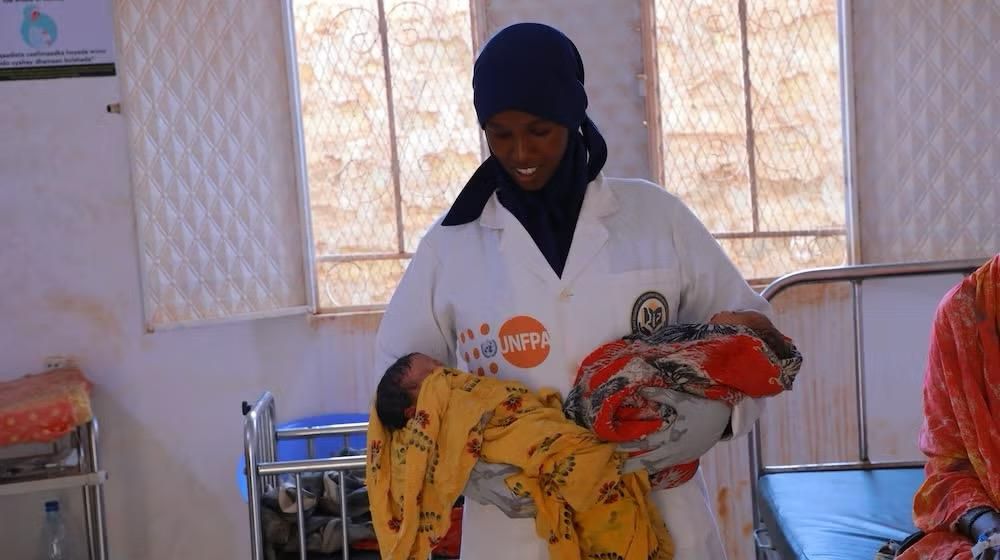
MOGADISHU, Somalia – When Faduma Mohamed gave birth to her daughter at Banadir Hospital in Mogadishu, the silence that followed was terrifying. Her premature baby, tiny and barely breathing, was quickly rushed to the neonatal intensive care unit. For Faduma, it felt like a place her child might never return from.
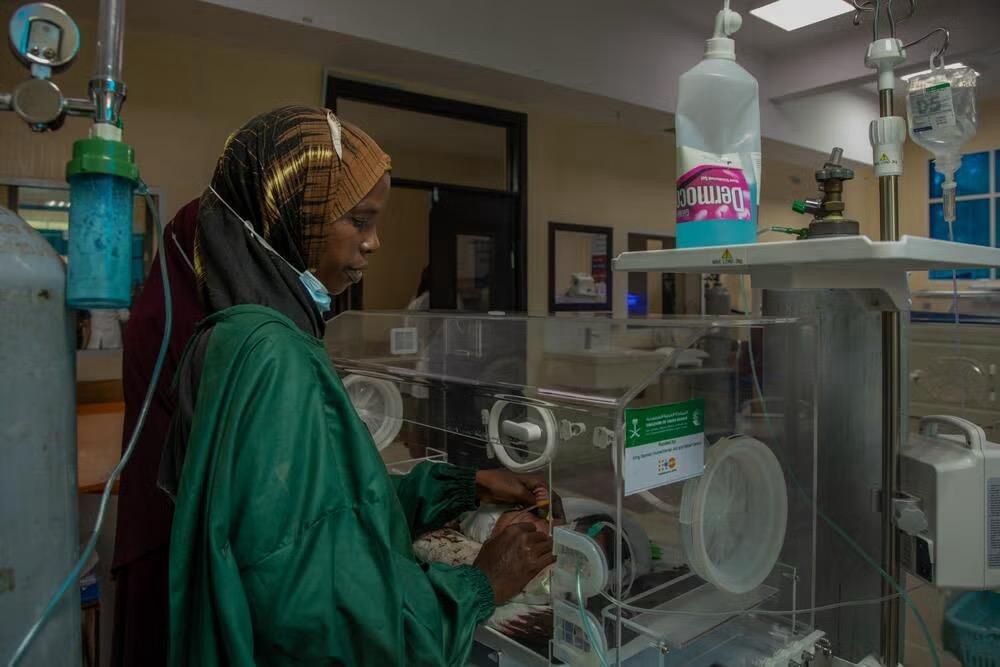
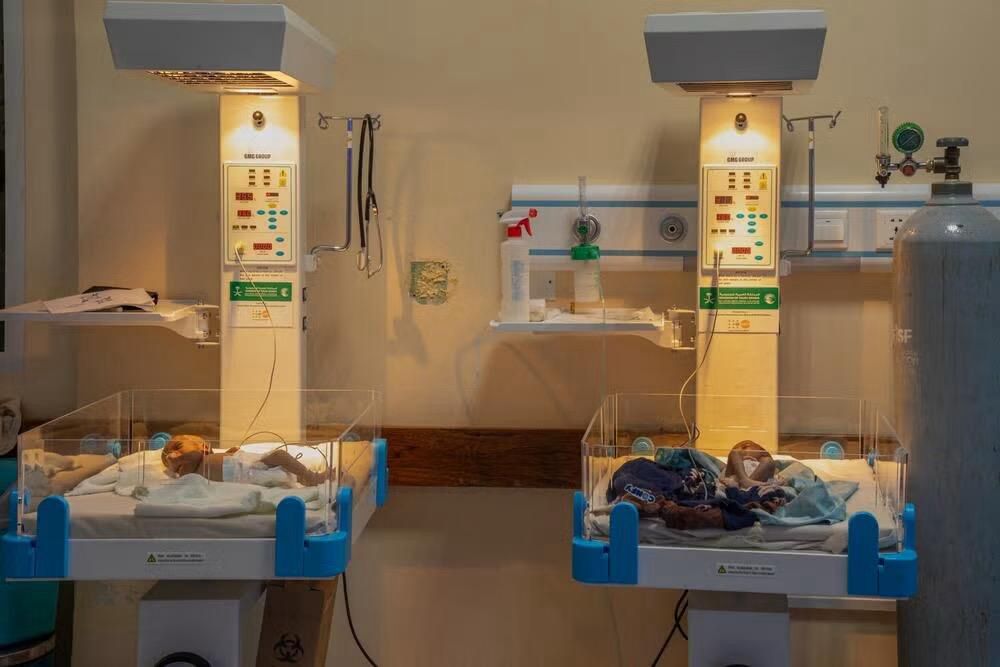
Just months earlier, her fears would likely have been realised. The hospital’s neonatal unit, like many across Somalia, was desperately under-resourced. A lack of incubators, oxygen machines and essential medical tools had cost countless newborn lives. But thanks to new equipment provided through funding from the Kingdom of Saudi Arabia via KSrelief, Banadir Hospital has been able to change that grim reality.
“When my daughter was placed in the incubator and given oxygen, her condition began to improve,” Faduma told the United Nations Population Fund (UNFPA). “We’re both doing well now.”
Saving Somalia’s Smallest Patients
Somalia has seen maternal death rates fall by 50 per cent over the past two decades. Yet challenges remain stark: only 30 per cent of public health facilities are fully functional and able to provide emergency obstetric and neonatal care. Around one in 20 women still die during pregnancy or childbirth, and only a third of births are attended by trained health professionals, according to UNFPA (UNFPA, 2025).
Dr Mohammed Ibrahim Salad, Head of the Newborn Care Department at Banadir Hospital, said the arrival of incubators, heaters and monitoring tools has transformed care. Four new neonatal care units have opened, offering hope to families who cannot afford private hospitals.
“We used to have to turn them away. Now we can save them,” Dr Salad explained to UNFPA. “Hundreds of Somali newborns can now benefit.”
Beyond Babies: Better Care for Mothers Too
The impact extends beyond newborns. At Banadir and Dayniile Hospitals in Mogadishu, the absence of reliable lighting and anaesthesia machines had made surgerie, including life-changing obstetric fistula repairs dangerous or impossible. Dr Ahmed, a senior surgeon at Dayniile Hospital, recalled crisis situations where patients could not be properly stabilised.
Now, new operating beds, lighting and anaesthesia equipment mean doctors can act swiftly and safely.
“We can finally do procedures we couldn’t before,” Dr Ahmed told UNFPA.
In the maternity ward, head midwife Nimca Mohamed Badane oversees radiant warmers that help prevent hypothermia, which once claimed many premature lives.
“We now save over 99 per cent of preterm babies,” she said.
A Mother’s Relief and a Call for Support
For Faduma, the incubator was not just a piece of equipment. It became the difference between heartbreak and hope.
“I will never forget how I felt,” she said, holding her daughter close. “But now, every time I hear her breathing, I know she’s here because someone cared enough to help us.”
Yet Somalia’s progress remains fragile. New UNFPA data show that between 2000 and 2023, global maternal deaths dropped by 40 per cent. Still, more than 700 women die every day from preventable causes related to pregnancy and childbirth (UNFPA, 2025). In Somalia, ongoing conflict, climate crises and chronic underfunding threaten these hard-won gains.
In 2025, UNFPA requires $45 million to keep delivering life-saving services across Somalia but has so far received only 3 per cent of this target (UNFPA, 2025).
Midwife Maryama Mohamed Isse, who works in a maternal health centre for displaced families in Mogadishu’s Dayniile district, has seen the effects of this shortfall first-hand.
“One of the most discouraging moments is when patients urgently seek treatment, but we lack the supplies to help them properly,” she told UNFPA. “When a mother comes to you and you can’t afford her medicines, you can feel how painful it is.”
Keeping Hope Alive
Somalia’s new incubators and medical equipment show what is possible when support reaches where it is needed most. But continued funding is critical to ensure more mothers like Faduma can hear the first cries of their newborns and know they will survive.
As Faduma’s story shows, sometimes hope is as small, and as precious as a baby’s first breath.