

|
Getting your Trinity Audio player ready...
|
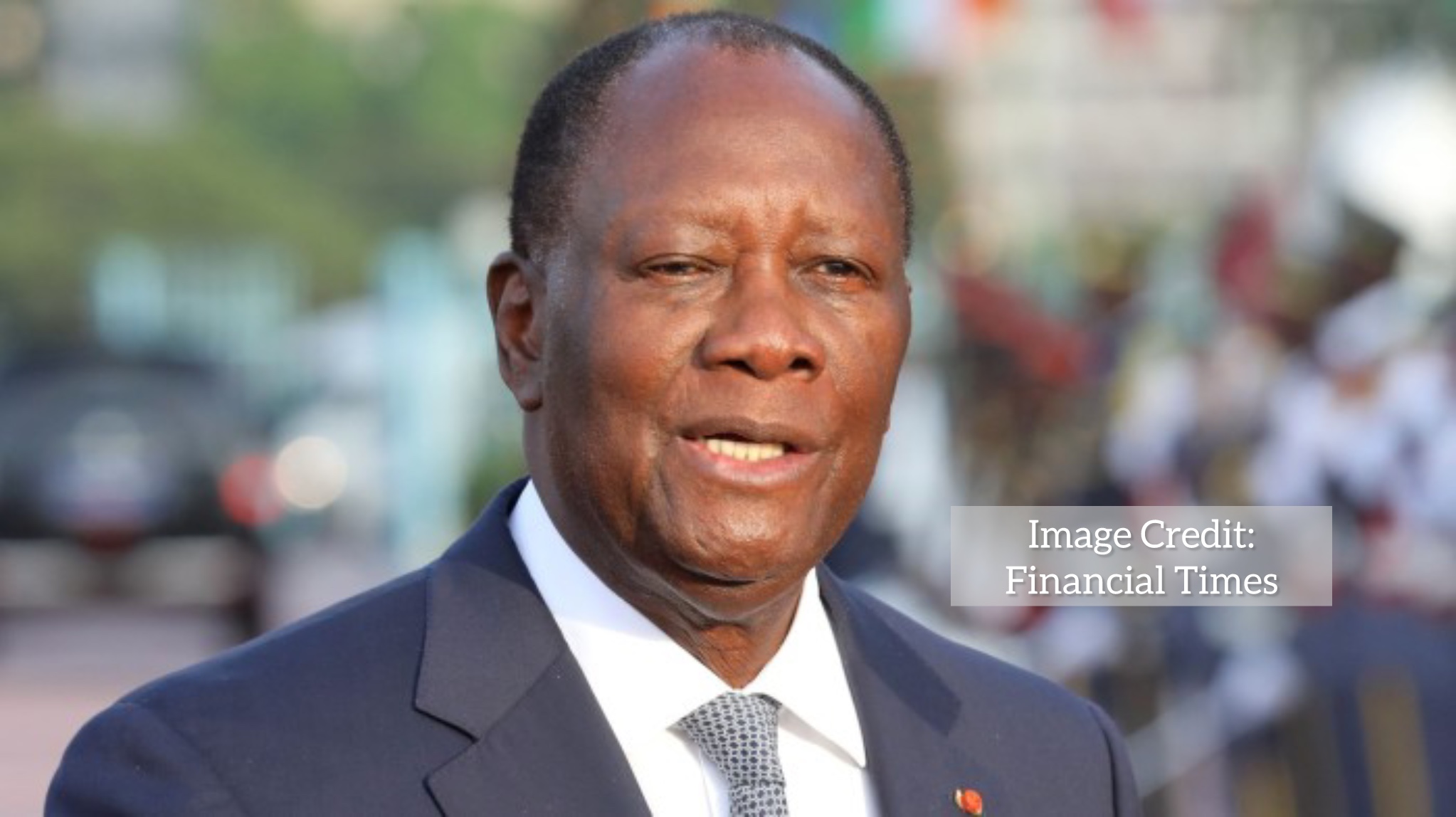
In a development that has sparked intense national debate, Ivory Coast’s President Alassane Ouattara has officially declared his intention to seek a fourth term in the country’s upcoming presidential elections scheduled for October. The 83-year-old leader made the announcement this week, emphasizing that his candidacy is motivated by a desire to maintain stability in the face of ongoing economic and security difficulties.
Despite concerns surrounding his age and the legality of a fourth term, President Ouattara insists he remains fit for office and argues that the adoption of a new constitution in 2016 reset the presidential term count, thereby legally enabling him to run again. This legal interpretation remains controversial, particularly among opposition figures and civil society groups who view the move as an overreach of executive power.
Ouattara, a former banker who has led the West African nation since 2011, is poised to be the front-runner in the October vote, especially given that several prominent opposition candidates have been barred from contesting. Among those excluded are former President Laurent Gbagbo, ex-Prime Minister Guillaume Soro, and respected former finance minister Tidjane Thiam. The disqualification of these influential figures has only deepened public skepticism about the fairness of the electoral process.
Reacting swiftly to Ouattara’s declaration, Thiam issued a strong rebuke, calling the president’s decision a “violation of our Constitution” and a fresh blow to Ivorian democracy. He added that the Ivorian people would not remain silent and would continue to voice their dissent through all legitimate means.
In a parallel development that further heightens the political tension, authorities have banned a peaceful protest initially planned for August 7. The protest, organized by opposition coalitions, was aimed at demanding the reinstatement of disqualified candidates and calling for an independent review of the voter register. The government’s move to halt the demonstration has been criticized by human rights groups as an infringement on civil liberties.
While President Ouattara is expected to lean heavily on his economic track record highlighting consistent annual growth rates of over 6% in the past four years, critics point out that economic progress has not translated into widespread public satisfaction. Many citizens remain disillusioned, citing unemployment, inequality, and growing political disenfranchisement.
Observers warn that the current political climate mirrors the divisive atmosphere that preceded previous episodes of electoral violence in the country. The memory of the 2010–2011 post-election crisis, which resulted in the deaths of more than 3,000 people, still looms large. Tensions also flared during Ouattara’s contentious third-term bid in 2020, underscoring the fragility of the nation’s democratic stability.
With over 8.7 million Ivorians registered to vote, civil society groups, religious leaders, and international observers are closely watching developments in the lead-up to the polls. The Catholic Bishops’ Conference and other influential bodies have expressed deep concern over the rising political polarization and called for inclusive dialogue and a transparent electoral process.
As the election draws near, all eyes will be on Ivory Coast to see whether its leaders can navigate the turbulent political waters without plunging the nation into renewed crisis.