From Ashes Rise Opportunities: How Biochar Is Helping Refugees Rebuild in Northern Côte d’Ivoire
Written By Maxine Ansah

|
Getting your Trinity Audio player ready...
|
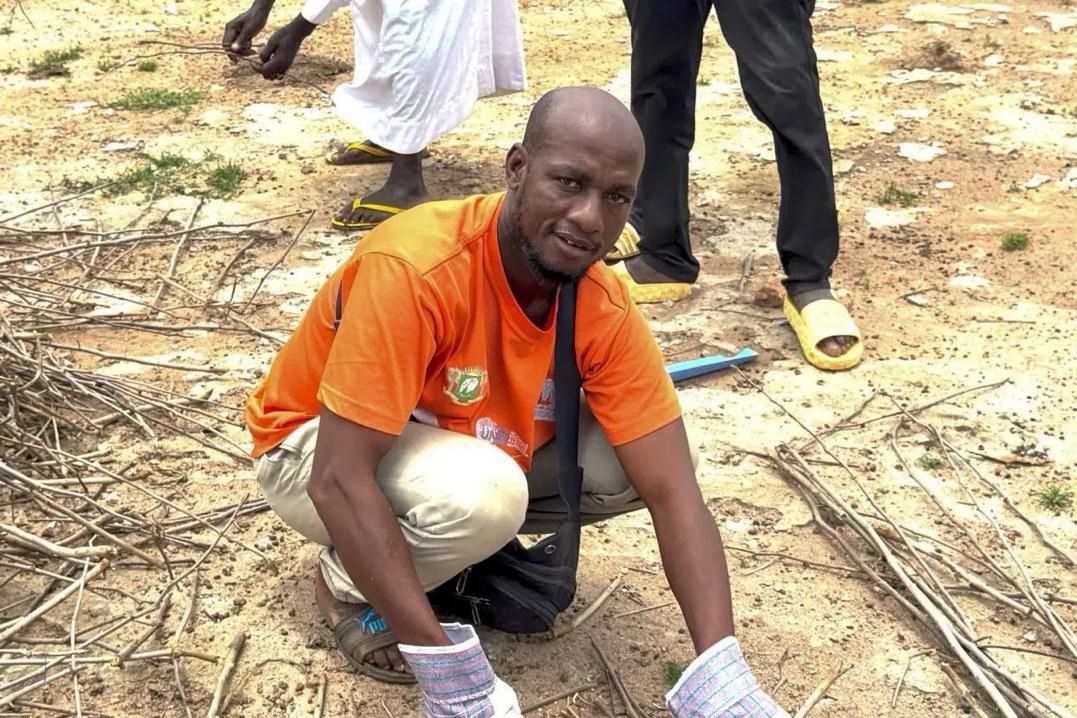
In the dusty expanse of northern Côte d’Ivoire, where life for refugees is a daily struggle, a quiet revolution is taking root. Diallo Koundja, a father of seven who fled Burkina Faso two years ago, now stands at the threshold of real hope, and it is all thanks to a humble substance: biochar.
At the crowded Nioronigué asylum seekers site near Ouangolodougou, water and land are scarce, and prosperity is but a distant memory. Still, the International Labour Organization, backed by the people of Japan, has introduced something new through the ‘Green Jobs for Youth to Respond to the Refugee Crisis in Northern Côte d’Ivoire’ initiative. The project extracts value from cotton stalks and other agricultural waste by turning them into biochar, an organic soil amendment that boosts fertility while slashing reliance on chemical fertilisers.
For Diallo and the other asylum seekers, this is no mere technical training. It is a lifeline. Diallo learned the biochar production process under the ILO’s guidance and now envisions a small business with his family, selling biochar to corn, sorghum and cotton farmers in the region. He dreams further still of a sales outlet, a beacon of independence in a landscape marked by dependence.
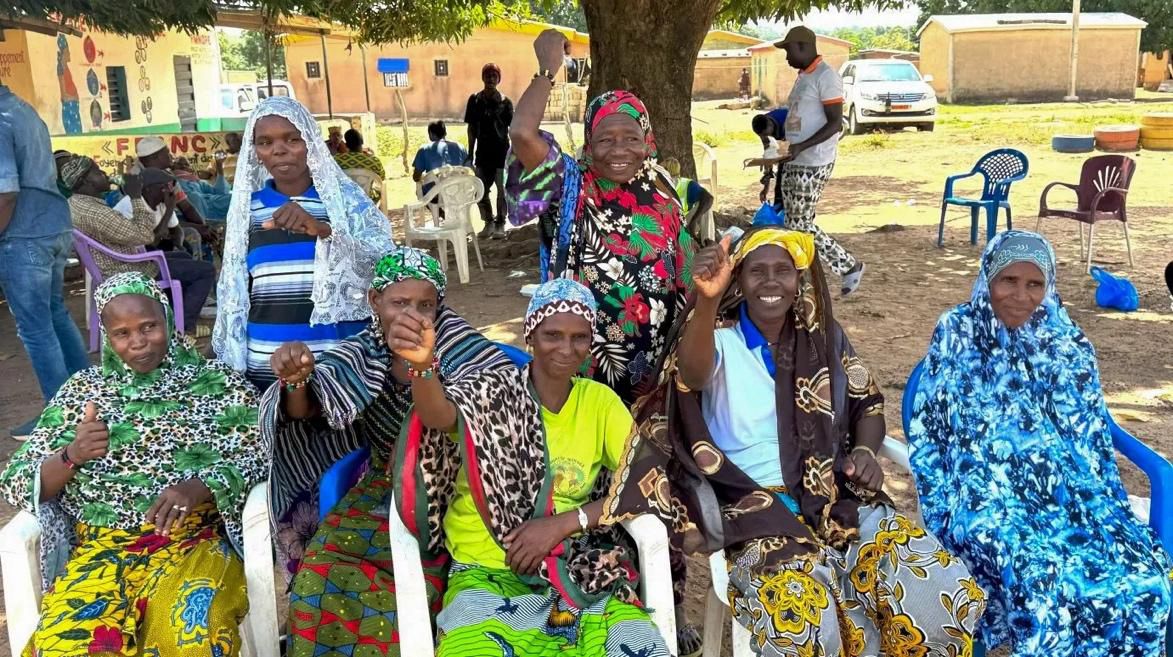
But this project is about more than enterprise. It nurtures social cohesion too. Refugee families and host community youth are joining forces, creating cooperatives and sharing a purpose that bridges the divide. In a place where humanitarian aid is often the only connection, biochar has become a shared common ground, a source of income and of community.
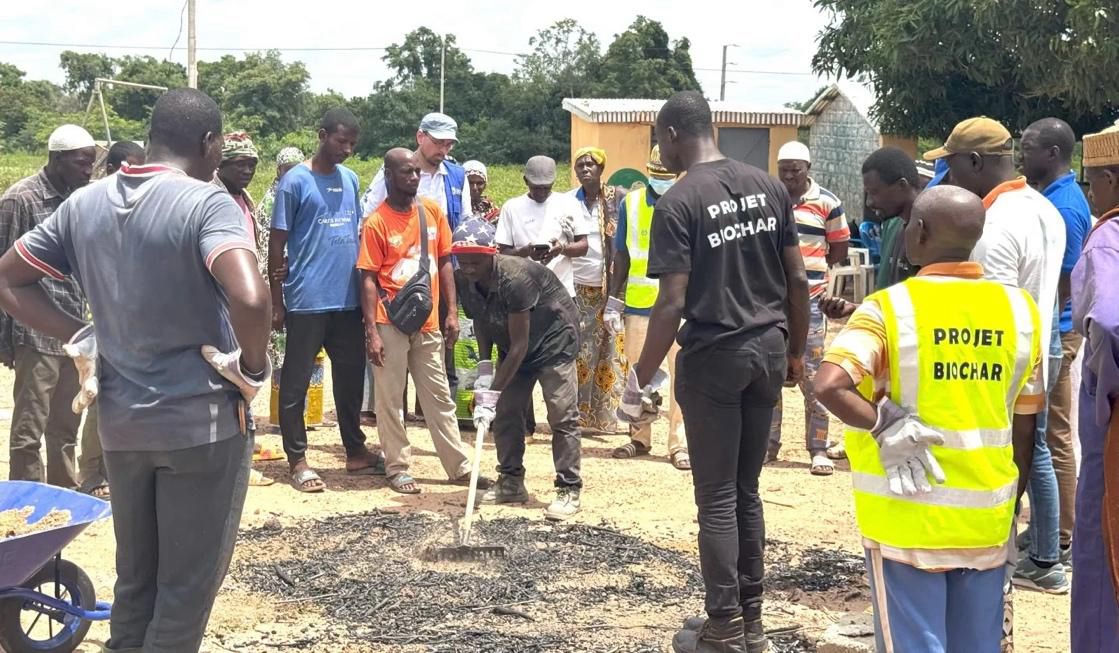
What makes this initiative so potent is how it localises solutions to address global crises. Climate change, forced displacement, food insecurity and poverty are not abstract here. They are daily realities. Yet the biochar project transforms them into opportunity, improving soil health, building new green businesses, forging bonds of trust, and regenerating dignity.
In the hands of people like Diallo, biochar is no longer a technological concept. It is a tool for rebuilding lives. A tool that allows refugees not only to sustain themselves but to stand tall, side by side with neighbours, not apart, working together for a more hopeful tomorrow.