
Hard Hats, Hard Truths: Reframing Masculine Identity for Safer Construction in Madagascar
Written By Maxine Ansah

|
Getting your Trinity Audio player ready...
|
Cultural norms may feel abstract, yet on a construction site they can become matters of life and death. A new International Labour Organization report reveals how notions of masculinity are silently but dangerously shaping the health and safety of construction workers in Madagascar.
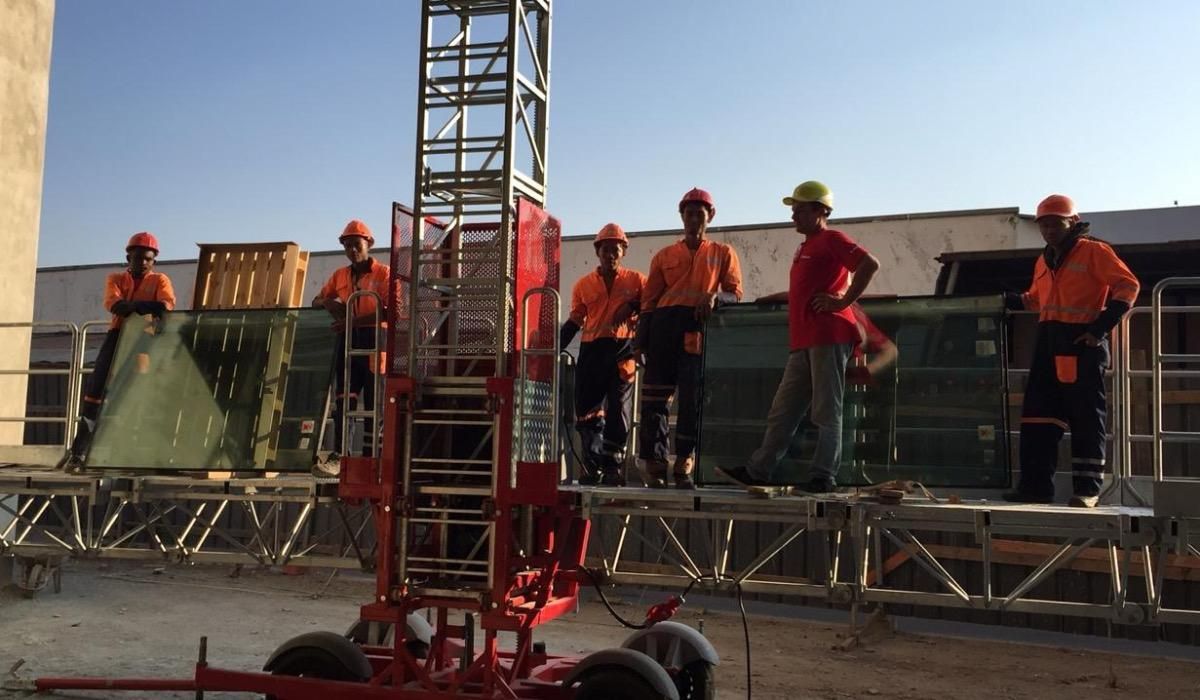
By using a participative “photo-elicitation” methodology, the research employed images of workers in action to encourage honest and reflective conversations in both individual and group interviews. The study exposes how peer pressure and the collective mindset deeply influence attitudes and behaviours around workplace safety.
Though much past attention has focused on how gender norms constrain women in male-dominated fields, this investigation turns the lens on men themselves and the personal cost of demonstrating toughness. In a sector already notorious for its hazards, these findings hold important implications far beyond Madagascar’s borders.
Masculinity as a Risk Factor
- Construction sites are seen as a man’s world where bravery means taking risks.
- Women, only 2 % of the workforce, face discrimination, are given less demanding jobs and must take risks to be accepted.
- Danger is viewed as a badge of honour, while accidents are treated as part of learning.
- Personal protective equipment is often rejected as a sign of weakness.
- Pain and illness are ignored, with harmful “remedies” such as cigarette ash on wounds still common.
- Admitting fatigue can lead to ridicule or physical punishment.
These attitudes, combined with low wages, informality and limited social protection, push injured or ill workers to keep working.
Recommendations
The report calls for:
- Safety education from childhood before risky behaviour becomes tied to masculine identity.
- Confidential channels for reporting harassment and discrimination.
- Campaigns linking safe practices to career longevity and family wellbeing.
- Senior workers as safety role models and messages grounded in local culture.
As the construction sector grows worldwide, tackling unsafe masculine norms could be critical to preventing injuries and saving lives in Madagascar and beyond.