
African Airports Lead Global Shift to Safer Firefighting Practices
Written By Maxine Ansah

|
Getting your Trinity Audio player ready...
|
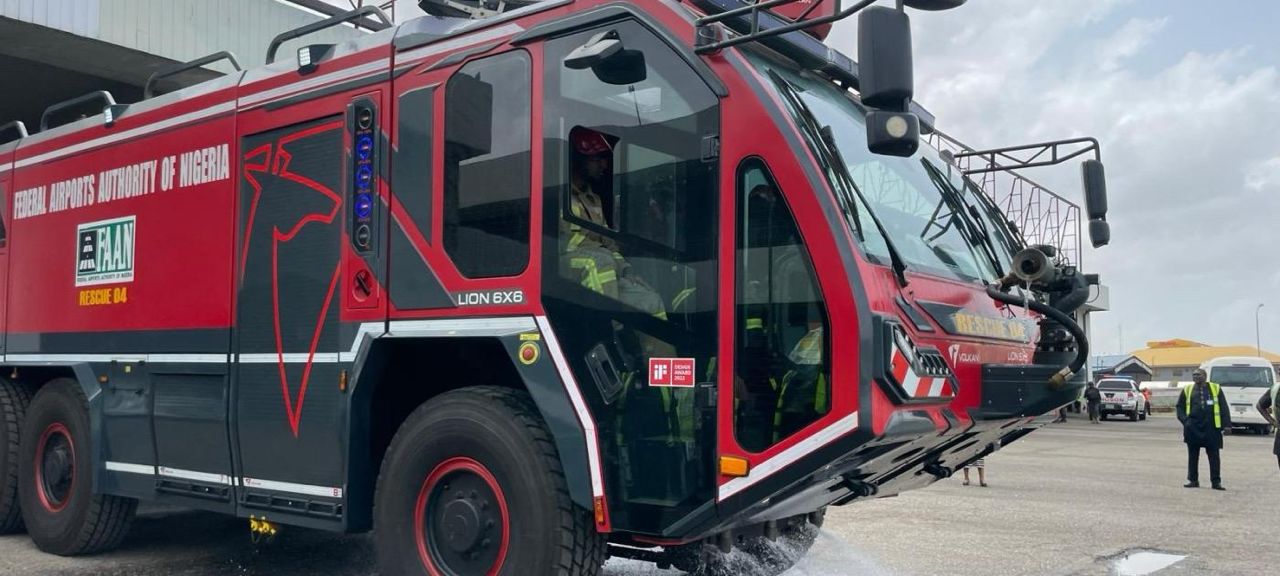
Airports across Africa are set to undergo a major environmental and health transformation with the launch of a new international initiative targeting one of the aviation industry’s most toxic legacies. The United Nations Environment Programme (UNEP) and the International Civil Aviation Organization (ICAO) have unveiled the Fortifying Infrastructure for Responsible Extinguishment (FIRE) project, a $82.5 million effort to eliminate harmful firefighting foams in Egypt, Ethiopia, Kenya, Nigeria and South Africa.
The FIRE project seeks to replace foams containing per- and polyfluoroalkyl substances (PFAS) with safer, fluorine-free alternatives. PFAS, often described as “forever chemicals,” are linked to severe health risks and long-term environmental damage due to their persistence in nature. The initiative will phase out PFAS use in major African airports while ensuring that fire safety and operational standards are upheld.
Backed by a $10 million grant from the Global Environment Facility (GEF) and $72.5 million in co-financing from partners, the project is one of the most significant steps yet taken to reduce PFAS contamination in the aviation sector. According to UNEP, the initiative will support the safe removal of 4,500 tonnes of PFAS-contaminated material from fire trucks and ensure the proper disposal of 130 tonnes of PFAS-based foam concentrate.
The project is designed not only to protect the health of airport workers and surrounding communities but also to inspire a global shift away from toxic firefighting practices. By focusing on airports in five key African countries, it places the continent at the forefront of a wider international effort to eliminate PFAS from critical supply chains.
Speaking on the initiative, Sheila Aggarwal-Khan, Director of UNEP’s Industry and Economy Division, emphasised that FIRE demonstrates how health and environmental protection can align with operational needs. She described the transition as proof that sustainable alternatives are both practical and accessible for countries aiming to improve environmental safety without compromising on business efficiency.
The move has also been welcomed at the national level. Dr Mohamud Gedi, CEO and Managing Director of Kenya’s Airport Authority, highlighted the importance of the shift for public health and environmental protection. He said that by phasing out PFAS foams, Kenya is safeguarding communities and contributing to a cleaner, safer future.
ICAO’s Secretary General, Juan Carlos Salazar, noted that the organisation is committed to supporting the aviation industry in adopting safer firefighting practices worldwide. He underlined the significance of ensuring access to PFAS-free alternatives, particularly in developing countries where such transitions may face financial or technical barriers.
Experts warn that PFAS represents a pollution “time bomb” due to its invisibility and long-lasting impact. Rolph Payet, Executive Secretary of the Basel, Rotterdam and Stockholm Convention on Persistent Organic Pollutants, stressed the urgency of collective action. He pointed out that global agreements, such as the Stockholm Convention, are central to reducing exposure to PFAS and preventing further environmental contamination.
The FIRE project forms part of broader UNEP-GEF efforts to eliminate Persistent Organic Pollutants (POPs) worldwide. These projects aim to monitor, reduce and ultimately remove harmful chemicals that pose significant threats to human health and the environment. By driving innovation and fostering multilateral cooperation, UNEP and its partners are advancing a global shift toward safer practices that benefit people and the planet alike.
With airports as a critical testing ground, the African-led implementation of the FIRE project could set a precedent for the aviation industry worldwide. If successful, it may pave the way for a global transition that prioritises sustainability, safety and resilience in firefighting practices.