
Tiny Seeds, Big Change: How Sesame is Transforming Zimbabwean Farms and Feeding Japan
Written By Maxine Ansah

|
Getting your Trinity Audio player ready...
|
In Mwenezi District, southern Zimbabwe, where the sun beats hard on parched soil and rain is unpredictable, smallholder farmers are turning to an unlikely hero: sesame. For generations, maize was their mainstay, but repeated droughts left families hungry and harvests bare. Now, sesame is not only thriving where maize has failed, it is helping farmers secure steady incomes and building bridges across continents.
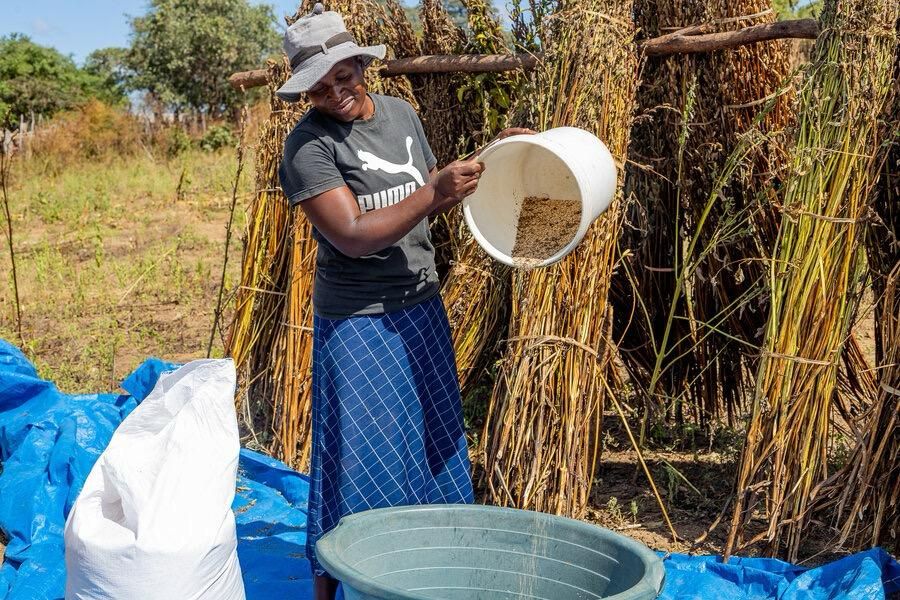
For Kastina Sibanda, a mother farming two hectares of land, the shift has been life-changing. “For many seasons, our maize crop would fail, and we would barely fill a bag with grain,” she recalls. “We struggled financially and had very little food to eat in our home.” Last year, with support from a new project, Sibanda planted sesame. As she looks over her fields, dotted with green stalks and delicate white flowers, she knows the crop offers her family more than survival. “Our yields are better,” she says. “And we get paid for the crop, which means we can provide for the family.”
The sesame harvested in Mwenezi will travel thousands of kilometres, leaving Zimbabwe for South Africa’s Port of Durban, before being shipped to Japan. There it will be processed into golden oil, destined for kitchens across the country. This is part of a resilience-building initiative led by the World Food Programme (WFP), in partnership with local organisation Sustainable Agriculture Technology (SAT), and funded by the Government of Japan. The programme equips farmers with improved seeds, training and access to markets so they can grow sesame profitably.
Bezel Garedondo, a Programme Officer with WFP, explains the importance of this shift. “The main driver for our involvement was to improve the ability of smallholder farmers to manage shocks while enhancing their food and nutrition security. Sesame is climate-resilient and gives farmers an alternative when maize or sorghum fail.” He points out that even during Zimbabwe’s devastating El Niño drought, sesame growers were able to harvest and sell enough to sustain their families.
In Rushinga District, near the Mozambican border, smallholder farmer Hazvinei Tsongora is also reaping the benefits. She has learnt to grow sesame without expensive chemicals. “They explained buyers want the crop to be chemical-free,” she says, describing how training encouraged farmers to use natural pesticides like aloe vera. “That works for us because it keeps the cost of production down.”
For Alexander Gusingo, sesame has meant more than a healthy harvest. It has brought him a reliable market and instant payment. “When I sold it, I had money in my pocket that very day,” he says. His sesame crop, grown on less than a hectare of land, produced a 600-kilogram bumper harvest. “With sesame, the prices are good, and the payment is instant. Next season, I want to grow a hectare or more.”
The system is working in part because farmers are no longer dependent on middlemen who underpaid and delayed. Lloyd Masunda, Deputy Country Director at SAT, highlights the change. “The results are undeniable,” he says. “Yields have soared, post-harvest losses are down by a quarter, and farmers now earn up to US$900 per metric ton, well above the meagre offers from middlemen.” At aggregation hubs, harvests are weighed openly on calibrated scales to guarantee fairness. The sesame is then processed, cleaned to 99 percent purity, and tested for moisture, aflatoxins and chemical residues before being exported.
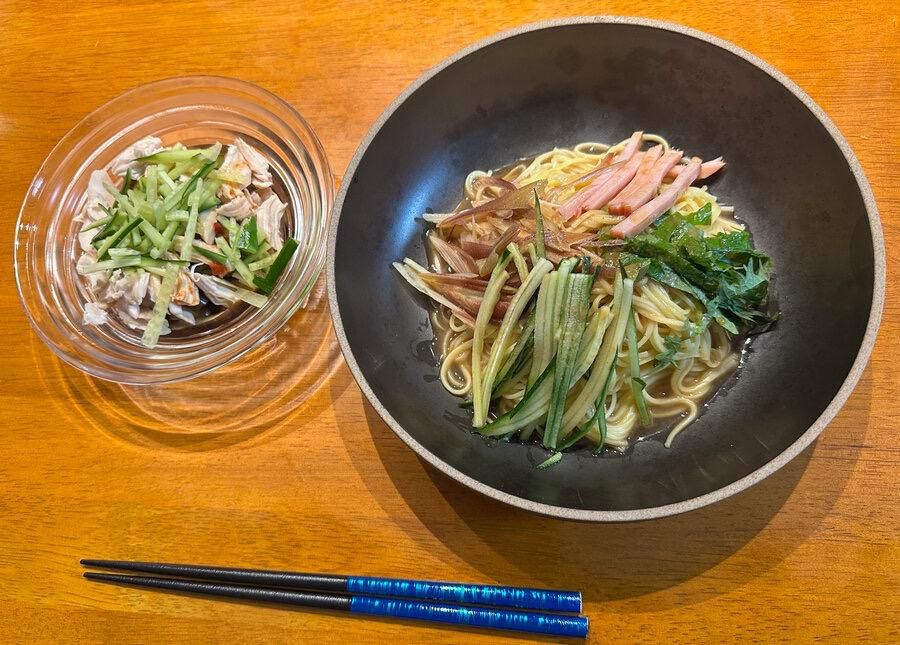
In Japan, sesame oil is a kitchen essential. Kana Kawasaki, a home cook, uses it daily. “I use it almost every day. It seems nutritious, and my child tends to eat more when I use it, so I mix it with rice and noodles. It has a toasty, fragrant smell which is quite nice.” For consumers like Kawasaki, knowing that the sesame is traceable and sourced responsibly from Zimbabwean smallholders adds reassurance about both quality and ethics.
Japan sees the project as a win for both sides. Tetsuya Murakami, Counsellor at the Embassy of Japan in Zimbabwe, notes its wider impact. “Sesame is heat and drought-resistant, making it suitable for growing in Zimbabwe while also ensuring a stable supply for Japan. This project supports food security, climate resilience and the United Nations Sustainable Development Goals, benefitting both producers and consumers.” He believes Zimbabwe’s smallholder farmers can help rebuild the country’s reputation as the breadbasket of southern Africa. “Zimbabwean smallholder farmers should be proud that their produce is internationally recognised and exported. If they can produce safer, higher-quality agricultural products and supply them stably, Zimbabwe can revive its status.”
From Sibanda in Mwenezi to Tsongora and Gusingo in Rushinga, the story is the same. A once uncertain future now holds promise. Tiny sesame seeds are sprouting resilience, restoring dignity to farmers, and linking Zimbabwean soil to Japanese dining tables.