

|
Getting your Trinity Audio player ready...
|
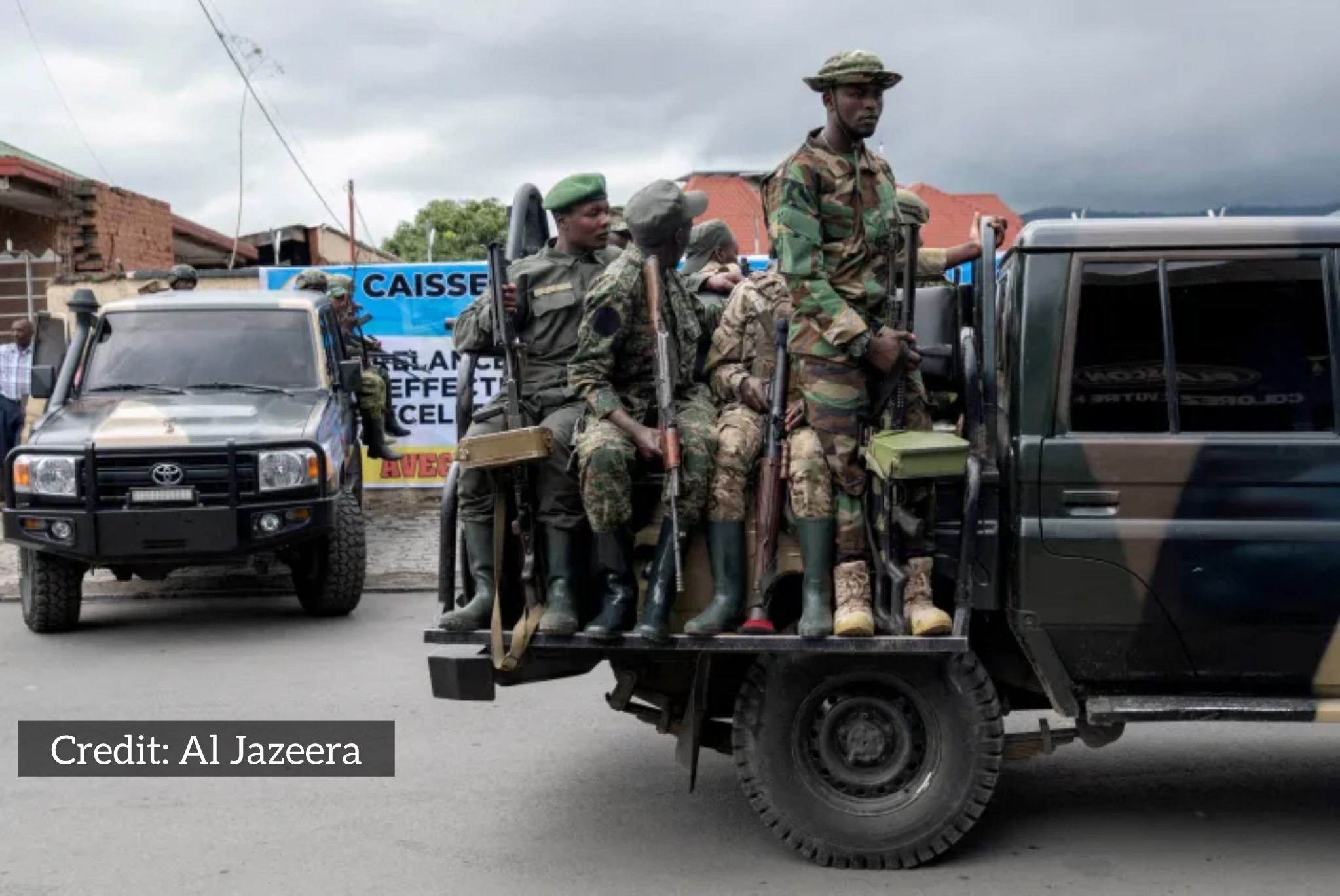
Negotiations between the Democratic Republic of Congo (DRC) government and the M23 rebel movement have restarted in Doha, Qatar, as conflict continues to destabilize the country’s eastern region despite a previous truce agreement.
The Qatari Ministry of Foreign Affairs announced that delegations from both sides are meeting to evaluate the progress of a ceasefire agreement originally signed in July. According to ministry spokesperson Majed al-Ansari, the discussions aim to revive stalled peace initiatives and set the stage for a comprehensive resolution.
“We have received the two parties here in Doha to revisit the previous agreement and chart a clear path forward,” al-Ansari stated during a press briefing.
The initial accord outlined a ceasefire and established a timeline for dialogue that was expected to begin on August 8 and conclude by August 18. However, those milestones were missed, and the fragile truce has since been undermined by renewed clashes and mutual accusations of non-compliance.
The current dialogue includes several critical components:
- Monitoring Mechanism: Plans to establish a neutral framework to track adherence to the ceasefire.
- Prisoner Exchange: Arrangements for the release of detainees held by both sides.
- International Support: The United States and the International Committee of the Red Cross are actively engaged in supporting the process.
This Qatar-led initiative builds on earlier diplomatic efforts, including a separate ceasefire deal facilitated by the United States in June between the DRC and Rwanda, alleged by Kinshasa to be backing M23 forces. However, the M23 rejected that deal, demanding direct negotiations with the Congolese government to address longstanding political and security grievances.
The ongoing violence has reignited regional tensions. Rwandan forces have been accused by United Nations experts of providing critical support to the M23, though Kigali continues to deny direct involvement. The group’s advances, including its seizure of Goma earlier this year, have raised fears of a broader conflict spreading across the Great Lakes region.
Former U.S. President Donald Trump recently claimed credit for ending the conflict, describing the DRC as one of Africa’s most challenging zones and asserting that his administration had “saved many lives.” He went as far as claiming that nine million people had been killed during the protracted war, stating, “I stopped it.”
Human rights organizations, however, have dismissed these statements as misleading. Christian Rumu of Amnesty International emphasized that violence and human rights abuses persist:
“It is inaccurate to suggest the war has ended. Civilians continue to face severe violations, some of which may constitute crimes against humanity.”
The humanitarian situation remains dire. More than two million people have been displaced this year alone in North and South Kivu provinces, according to relief agencies. Human Rights Watch recently accused the M23 of ethnically targeted killings, while repeated international mediation attempts have failed to secure lasting peace.
The eastern DRC, a region rich in natural resources including gold, cobalt, and coltan, continues to bear the brunt of decades-long armed conflict. Civilians face widespread insecurity, disrupted livelihoods, and frequent displacement despite ongoing international involvement.
While the renewed talks in Doha represent a potential step toward de-escalation, analysts caution that any lasting settlement will require not only compliance with ceasefire terms but also addressing the root causes of the conflict, including governance challenges, cross-border dynamics, and competition over valuable minerals.