

|
Getting your Trinity Audio player ready...
|
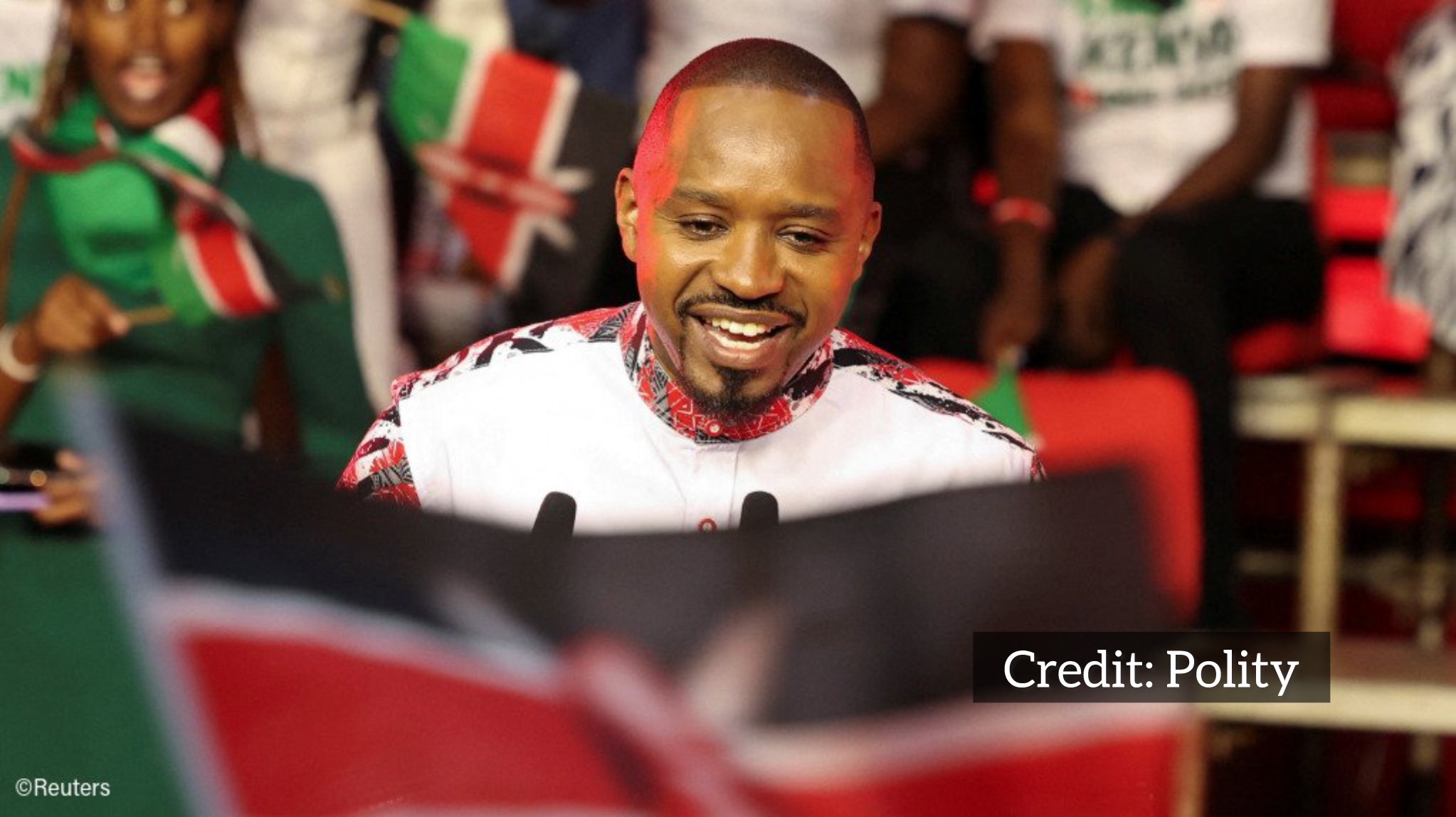
Kenya’s political landscape is set for a significant shakeup after prominent social justice advocate Boniface Mwangi announced his intention to contest the presidency in the 2027 general elections. The 42-year-old, known for his vocal opposition to corruption and state oppression, made his declaration on Wednesday, positioning himself as a reformist voice for a country he describes as “on the brink of failure.”
Mwangi has built his reputation as one of Kenya’s most outspoken activists, enduring arrests, tear gas, and intimidation as he campaigned against systemic corruption, police brutality, and misuse of state power. Over the years, he has become a familiar face in protests calling for greater accountability and transparency in governance.
His announcement follows months of unrest and deadly demonstrations against President William Ruto’s administration. Since June last year, more than 100 people have reportedly lost their lives during clashes between security forces and protesters, many of whom were young Kenyans demanding economic reforms and better governance.
In declaring his presidential bid, Mwangi vowed to champion the rights and welfare of ordinary citizens. He outlined a bold agenda centered on eradicating corruption, promoting justice, and rebuilding public trust in state institutions.
“The country is broken and in danger of becoming a failed state,” Mwangi said. “We need leaders who prioritize the people and turn their hopes into actionable policies.”
Among his promises are the prosecution of corrupt politicians, a comprehensive overhaul of public service delivery, and policies that reflect democratic values, equity, and inclusivity.
Mwangi’s entry into the race marks a critical test for Kenya’s youth-led protest movements: can their momentum translate into political capital? With over two years to go before the elections, the field is already becoming crowded. Incumbent President William Ruto has signaled his intention to seek re-election, while other potential candidates are expected to announce their bids in the coming months.
Before he can officially contest, Mwangi’s candidacy must be approved by the Independent Electoral and Boundaries Commission (IEBC), the body tasked with managing Kenya’s electoral processes.
Rights organizations have repeatedly condemned the government’s handling of dissent, criticizing the use of force during demonstrations and the application of terrorism-related charges against protesters. Mwangi has been one of the most prominent figures rallying against these actions, often highlighting the growing disillusionment among young Kenyans.
Mwangi’s decision to run for president reflects a broader demand for change within Kenya’s political system. Whether his activism can translate into a structured electoral movement remains to be seen, but his candidacy injects a new dynamic into the race, potentially reshaping the political narrative ahead of 2027.