

|
Getting your Trinity Audio player ready...
|
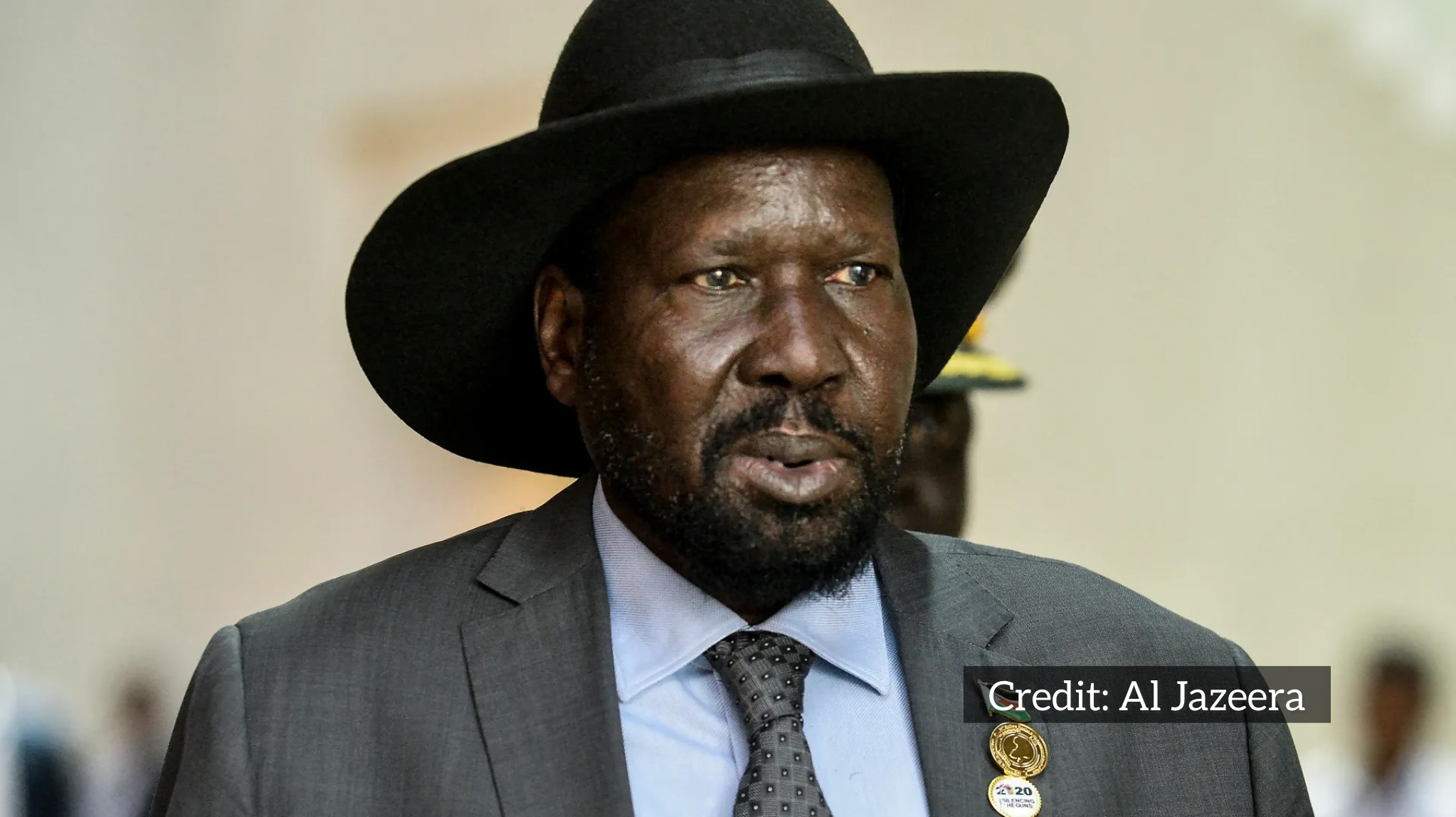
South Sudan’s President Salva Kiir has dismissed Finance Minister Marial Dongrin Ater, marking the seventh change in the key economic portfolio since 2020. The announcement, made by state-owned radio late Thursday, revealed that Athian Ding Athian, who previously held the role between 2020 and 2021, will return to lead the ministry.
The presidency did not provide any official reason for Ater’s removal. Alongside the finance minister, the minister responsible for investment was also dismissed, signaling broader shifts within Kiir’s administration.
Persistent Economic Strain
The removal comes at a time when South Sudan faces mounting economic pressure. The country, heavily reliant on crude oil exports, has seen revenues decline significantly since the civil war of 2013–2018. More recently, disruptions in oil exports caused by conflict in neighboring Sudan have further weakened the economy.
The International Monetary Fund (IMF) projects a 4.3% economic contraction in 2025, coupled with soaring inflation expected to reach 65.7%. These grim forecasts reflect the fragile state of South Sudan’s fiscal stability and the urgent need for effective economic leadership.
Political Tensions and Governance Challenges
President Kiir, who has led South Sudan since its independence in 2011, continues to grapple with political instability. In March, First Vice President Riek Machar was placed under house arrest amid accusations that he was mobilizing supporters to destabilize the government and derail upcoming elections. Information Minister Michael Makuei claimed Machar’s actions threatened the country’s fragile peace. However, Machar’s party has strongly denied these allegations.
The frequent reshuffling of key government positions raises questions about the administration’s ability to implement consistent economic policies and attract investor confidence at a time when stability is crucial.
A Critical Juncture for South Sudan
As the nation approaches a pivotal moment with elections on the horizon, the government’s ability to navigate both its economic downturn and political unrest will determine its future trajectory. The latest ministerial changes suggest President Kiir is seeking a more reliable team to manage the country’s struggling economy, but whether these shifts will deliver meaningful progress remains uncertain.