
Building Stronger Food Systems: Rwanda Farmers and Private Sector Unite to Boost Maize and Soybean Value Chains
Written By Maxine Ansah

|
Getting your Trinity Audio player ready...
|
KIGALI – A new food systems initiative is set to transform maize and soybean value chains in Rwanda by improving the livelihoods of 4,000 smallholder farmers. The Food and Agriculture Resilience Mission Pillar 3 (FARM P3) was launched this week by the International Fund for Agricultural Development (IFAD), in collaboration with the Rwanda Agriculture Board (RAB), farmer cooperatives, private sector partners and development organisations including IDH.
The pilot phase of FARM P3 is taking place in Kayonza District with a total budget of US$1.23 million. It aims to cut food loss through better post-harvest practices, strengthen market access and build stronger partnerships between farmers and the private sector. The programme also complements the Kayonza Irrigation and Integrated Watershed Management Project – Phase II (KIIWP2), an ongoing IFAD-funded initiative supporting more than 40,000 households from 2021 to 2028 to improve food security and climate resilience.
According to IFAD Country Director Dagmawi Habte-Selassie, the initiative brings cooperatives, small and medium enterprises and banks together in a more structured way. He emphasised that FARM P3 goes beyond training and equipment, focusing instead on building sustainable business relationships that allow farmers to sell more, waste less and increase incomes.
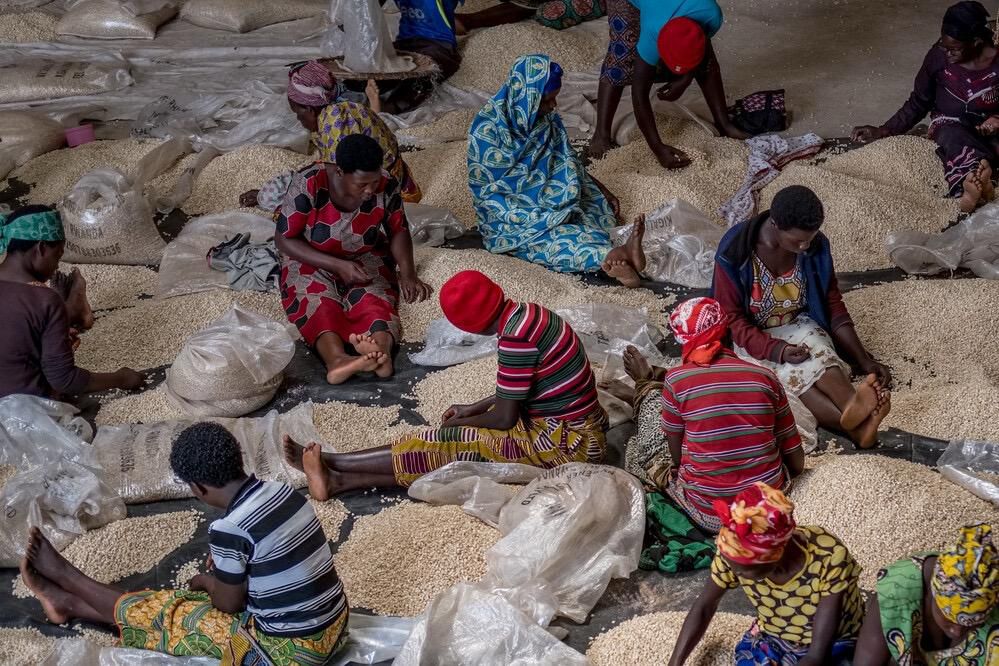
One of the main objectives of the pilot is to reduce post-harvest maize losses, which currently stand at 13.8 per cent. FARM P3 will achieve this by co-investing in drying shelters for cooperatives and expanding access to mobile mechanical dryers for SMEs. These investments will enable farmers to meet private sector standards, lower grain moisture and secure better prices. Buyers are expected to benefit from higher-quality maize and more reliable sourcing, strengthening long-term partnerships with local suppliers.
Solange Uwituze, Acting Director General of RAB, noted that reducing losses and creating market linkages would help advance the priorities of Rwanda’s Strategic Plan for Agriculture Transformation (PSTA 5). She added that this would empower smallholders and open up new opportunities for private sector investors.
The programme is also laying the groundwork for commercial soybean sourcing to meet increasing private-sector demand. Farmers will be engaged in inclusive business analysis, demonstration plots, equipment investments and joint training with both public and private stakeholders.
Findings from an inclusive business analysis conducted with SMEs suggest that soybean crops could raise smallholder net incomes by as much as 2.3 times over five years when combined with Good Agricultural Practices and secure market links. Soybeans are already performing better than traditional beans on average, according to Wangari Nduta, Project Manager for Business Analytics at IDH.
FARM P3 is part of a broader three-pillar initiative designed to tackle the global food crisis. IFAD coordinates the third pillar, which focuses on accelerating the transition to sustainable and resilient food systems, with a particular focus on Africa. Launched by France under the EU Council Presidency, FARM P3 is currently active in Senegal, Sierra Leone and Zimbabwe, with each country adapting the model to suit local value chains and development needs.
By connecting farmers, cooperatives, buyers and service providers, the initiative seeks to create shared value across Rwanda’s food system. If successful, the pilot could become a model for broader transformation, driving inclusive growth and resilience for rural communities.