
Man Enough to Stay Safe: Rethinking Masculinity on Madagascar’s Construction Sites
Written By Maxine Ansah

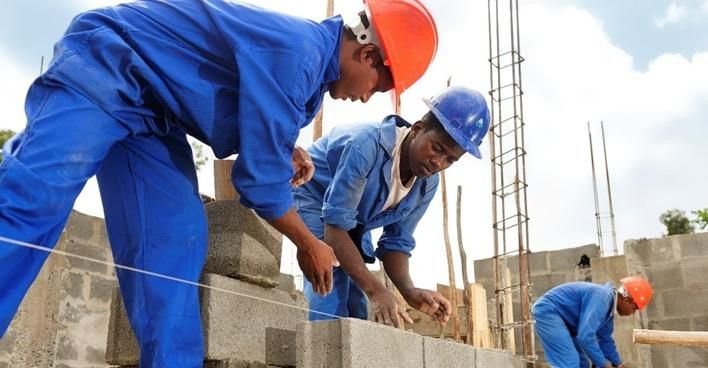
Cultural norms are not just abstract ideas; they shape how people live, work, and even risk their lives. On the construction sites of Madagascar, ideas about masculinity are quietly influencing health and safety decisions, often with tragic consequences. A new report by the International Labour Organization (ILO) has brought these hidden dynamics to light, revealing how social expectations of toughness and bravery put thousands of workers in harm’s way.
The ILO’s Occupational Safety, Health and Environment Branch conducted participatory research using a “photo-elicitation” method, where images of workers in action were used to prompt honest discussions about their daily realities. Through individual and group interviews, the study uncovered how peer pressure, group identity, and deeply rooted gender beliefs shape men’s attitudes toward risk and safety at work.
While global conversations on gender in construction often focus on the barriers faced by women, this report shifts the focus to men. It highlights how the very same cultural expectations that uphold male dominance in such industries can also endanger men’s lives.
Construction remains one of the most dangerous sectors worldwide. According to the ILO, approximately 60,000 construction workers die each year from work-related accidents or illnesses. In Madagascar, the report reveals that the danger is intensified by a culture that equates manhood with risk-taking.
Workers described construction as a “man’s world” where danger is part of the job and fearlessness is proof of masculinity. Taking risks is viewed not just as necessary but as a source of pride, reinforced by the camaraderie and competitive spirit that define many work crews. Some even expressed that having women on site “disorganises” the workflow or reduces productivity, showing how gender stereotypes continue to shape workplace dynamics.
Despite the clear hazards, personal protective equipment (PPE) is often ignored. Many workers see PPE as unnecessary or even as a sign of weakness and inexperience. In informal settings, safety gear is sometimes dismissed as foreign or contrary to the “Malagasy way.” Instead, men rely on experience and intuition, believing that technical skill can protect them better than safety gear. Injuries are accepted as part of the learning curve, and chronic pain or respiratory problems are often ignored or minimised.
Dangerous myths also persist. Some workers believe cigarette ash can heal wounds, or that yoghurt and alcohol can protect against toxic fumes. Taking a sick day or showing signs of fatigue can attract ridicule or even physical punishment disguised as “playful kicking.” In this environment, men are pushed to endure pain and exhaustion rather than admit vulnerability.
For the few women who enter the industry, the situation is equally complex. Making up only about 2 per cent of Madagascar’s construction workforce, women face discrimination and are often assigned “lighter” tasks. To gain acceptance, they too must demonstrate toughness, sometimes by taking on risky work to prove they belong.
These cultural pressures combine with structural challenges such as low wages, limited social protection, and high informality. Many workers cannot afford to take time off when injured or ill, forcing them to continue working and compounding their health problems.
The ILO report offers several recommendations to address these issues in culturally sensitive ways. It calls on government agencies to promote a culture of safety from childhood, linking prevention and protection to positive masculine identities. Employers are urged to create channels for reporting harassment and peer pressure without fear of reprisal.
The report also recommends rethinking public awareness campaigns. Rather than focusing on fear or guilt, messages should appeal to pride and family responsibility by showing that safe practices and proper use of PPE are key to long and stable careers. Senior workers, who command respect on site, can serve as safety role models, demonstrating that strength lies not in risk-taking but in protecting oneself and others. Campaigns should also be rooted in local culture and values to ensure they resonate with workers’ lived experiences.
As Madagascar’s construction sector continues to expand, this research underscores a critical truth. Challenging harmful ideas about masculinity is not just a matter of social progress but of life and death. If being “man enough” came to mean working smart and staying safe, countless lives could be spared not only in Madagascar but across the world.