
Aid Gaps Threaten Millions as WFP Operations Teeter on the Brink
Written By Maxine Ansah

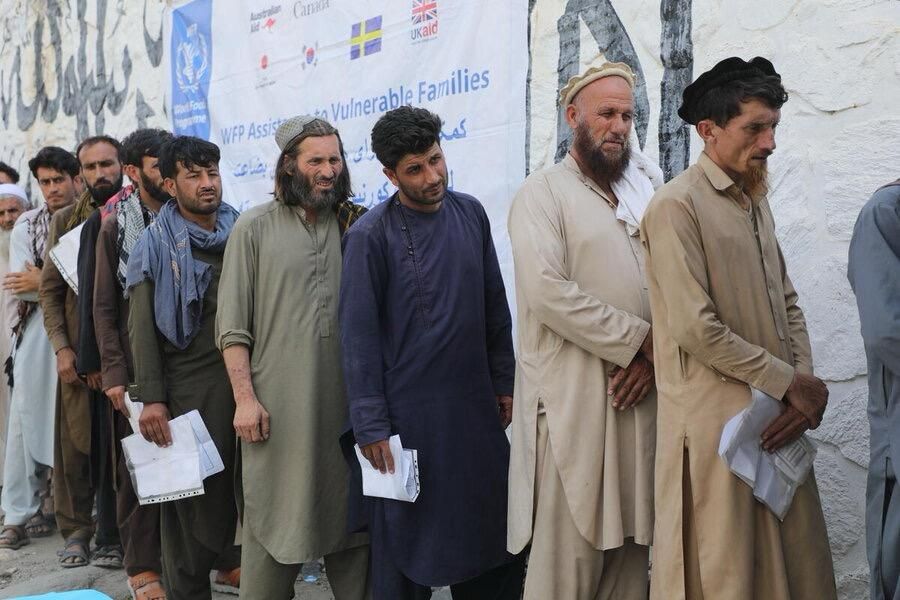
As cuts to international funding bite deeply, the World Food Programme (WFP) is warning that six of its most critical operations face catastrophic reductions in assistance, just when lives hang in the balance. Without immediate support, millions more people could slip from food insecurity into outright hunger and starvation.
Global aid is shrinking at a dangerous pace. WFP reports that its income for 2025 is around 40 percent lower than in 2024, a collapse the agency describes as a “funding cliff” with life-or-death consequences. With conflict, climate shocks and economic collapse driving unprecedented needs, the agency’s latest assessment paints a stark picture of what lies ahead if donor commitments continue to decline.
Among the countries most at risk are Afghanistan, the Democratic Republic of the Congo (DRC), Haiti, Somalia, South Sudan and Sudan. Each faces a severe funding shortfall over the next six months, threatening the very continuity of lifesaving operations.
Afghanistan
In Afghanistan, 9.5 million people are already food insecure, and the number is expected to rise sharply as winter approaches. WFP faces a funding gap of around US$622 million for the next six months. Without new funds, the agency warns that significant pipeline breaks could begin as early as November, leaving it able to reach just eight percent of its target for the winter humanitarian response. For millions of Afghans, this means enduring the cold months without sufficient food or nutrition support.
Democratic Republic of the Congo
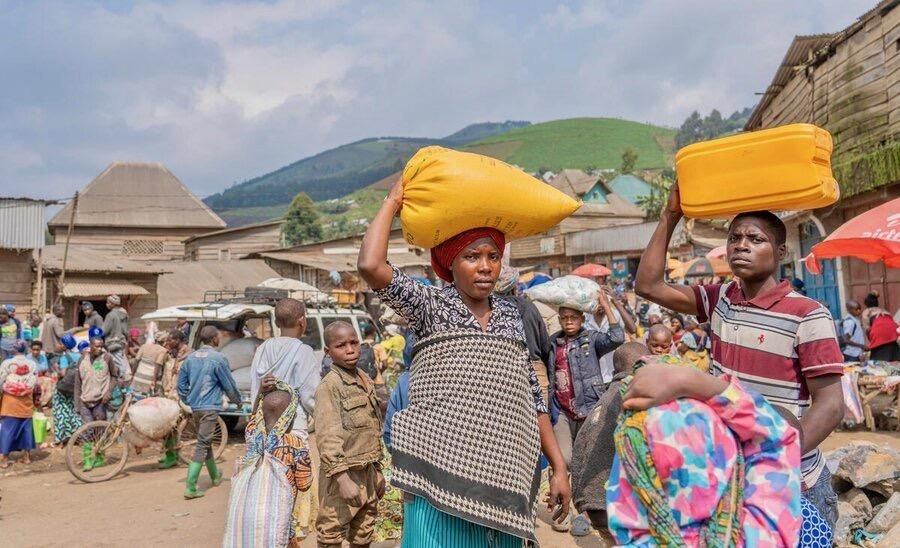
In the Democratic Republic of the Congo, one in four people, some 28 million, are food insecure, including more than 10 million living in the conflict-hit east. WFP had planned to assist 2.3 million people facing emergency-level hunger, but funding gaps have forced the agency to reach less than half that number. From October, the figure is expected to fall to just 600,000 people. With a US$351.7 million shortfall over the next six months, the operation faces a complete pipeline break by February 2026, a prospect that would deepen an already dire humanitarian situation.
Haiti
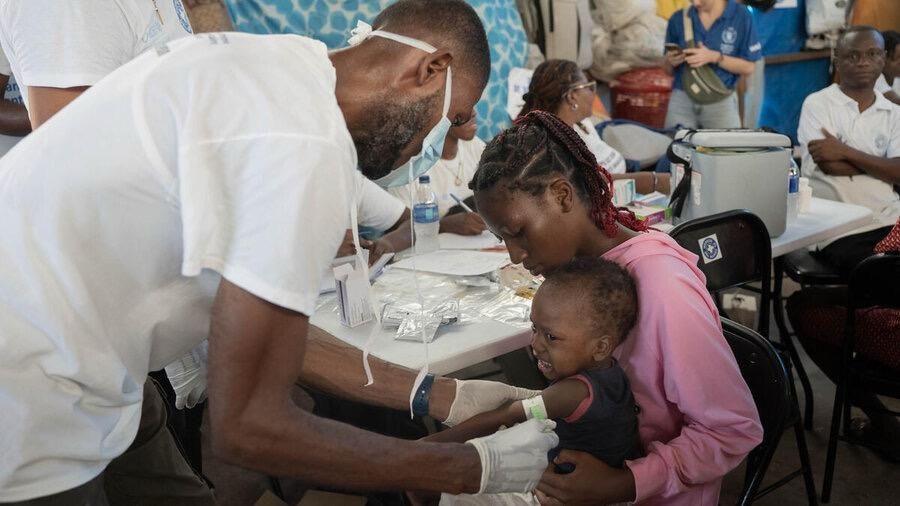
Haiti’s hunger crisis continues to escalate as violence and instability compound the impacts of funding shortages. Over half of the population, around 5.7 million people, are facing acute food insecurity. WFP has already suspended hot meals for displaced people and halved monthly rations for those in emergency situations. The agency is short of US$44 million for the next six months, and further disruptions to food assistance could hit more than 300,000 people, especially women, children and those displaced by ongoing insecurity.
Somalia
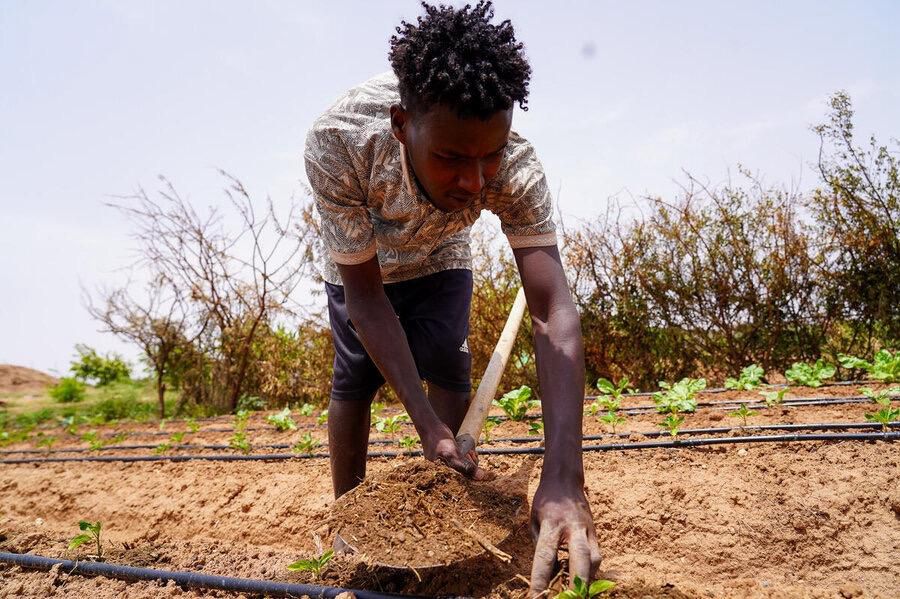
Somalia is also at a critical point. Around 4.4 million people are facing high levels of food insecurity, but pipeline breaks are expected to start from November. Following earlier cuts in April that reduced the number of people receiving assistance from 2.2 million to 1.1 million, WFP may now be forced to scale back even further, reaching only 350,000 people. The six-month funding gap of US$98.3 million threatens to undo fragile progress made since the last major drought.
South Sudan
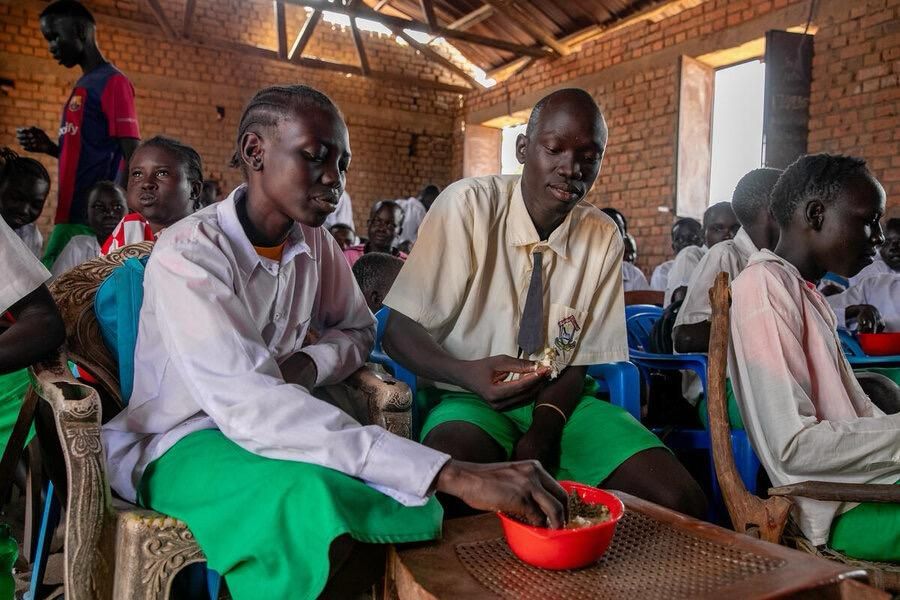
In South Sudan, 7.7 million people are acutely food insecure as years of conflict, flooding and economic crisis persist. WFP has been forced to ration supplies, with all 2.7 million recipients receiving only 50 to 70 percent of their intended food basket. From October, these baskets will be missing key items such as pulses, cereals, vegetable oil and nutrition products used to prevent and treat malnutrition. The country operation faces a US$398.9 million funding shortfall for the next six months, leaving the agency with little room to manoeuvre.
Sudan
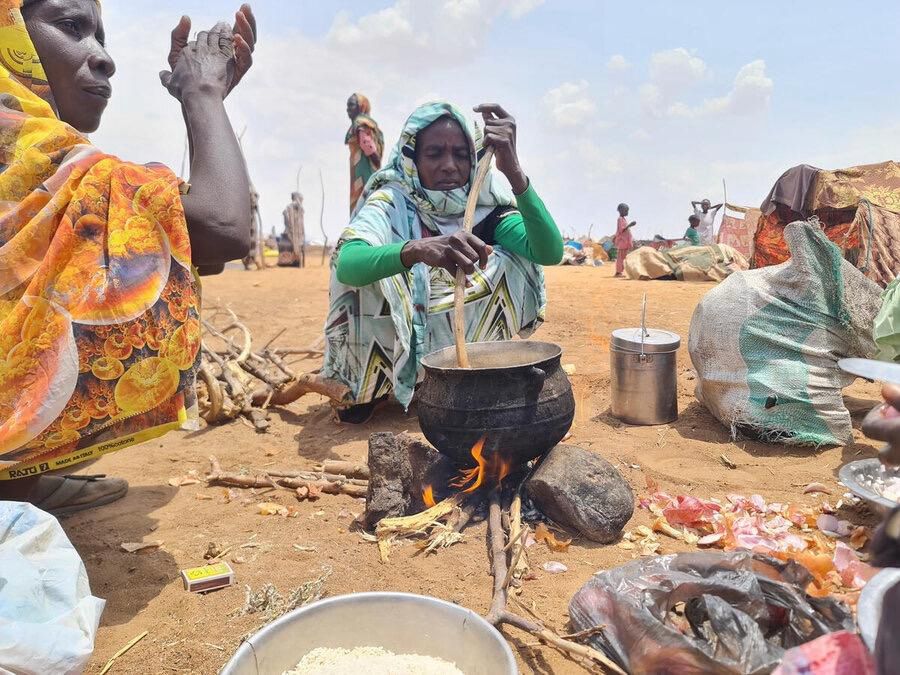
Sudan remains one of the most alarming cases. With conflict still raging, 25 million people, half the population, are facing acute hunger, and famine has already been confirmed in some areas. WFP currently reaches around 4.2 million people each month, including 1.8 million in famine or famine-risk zones. The agency urgently requires US$600 million over the next six months to scale up support to roughly eight million people per month. Without it, the threat of famine spreading across more regions of the country will become a grim reality.
These countries are already enduring severe humanitarian challenges. Whether it is the freezing winter in Afghanistan, the volatile east of the DRC, or the entrenched conflict in Sudan, the risks are compounding. Cuts in assistance are not only reducing the number of people who can be reached but are also weakening the quality of food and nutrition support that WFP can provide. The consequences extend far beyond hunger, increasing rates of malnutrition, disease and mortality.
The WFP is urging donors to act decisively. Major funding partners must release pledged funds immediately, while long-term commitments are essential to stabilise operations and prevent future pipeline breaks. Coordinated efforts with national governments and other humanitarian actors are also critical to ensure that the most vulnerable are not abandoned.
Millions of lives depend on whether the global community responds now. The dramatic aid cuts threaten not only to disrupt WFP operations but to erase years of progress in the fight against hunger. Without urgent intervention, what is now a crisis could soon become a catastrophe.