
France Locks Up a Former President: Nicolas Sarkozy’s Five Years and the Gaddafi Funding Fallout

|
Getting your Trinity Audio player ready...
|
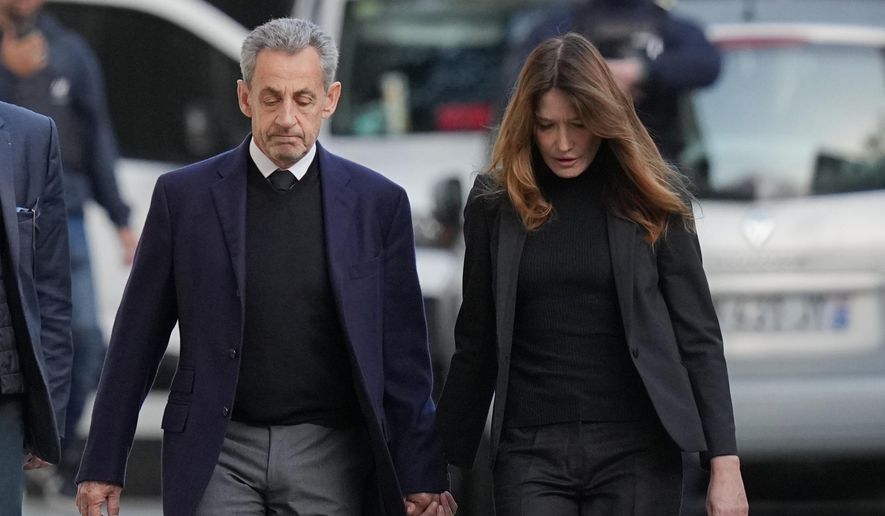
France just made modern history: Nicolas Sarkozy has become the first French ex-president to go to jail since Philippe Pétain in 1945—beginning a five-year sentence for criminal conspiracy over alleged Libyan financing of his 2007 campaign by Muammar Gaddafi. The 70-year-old, president from 2007–2012, entered La Santé prison at 09:40 local (07:40 GMT), after a send-off in the 16th arrondissement where 100+ supporters shouted “Nicolas!” as he left hand-in-hand with Carla Bruni-Sarkozy. Dozens of police cordoned surrounding streets.
Sarkozy insists he’s innocent—posting on X en route that “Truth will prevail”, lamenting the “crushing price” and calling France “humiliated by a will for revenge.” “It is not a former president they are locking up… it is an innocent man,” he wrote, thanking his family for standing by him. Moments after he entered, lawyer Christophe Ingrain filed a release request, saying nothing justified incarceration; even so, he expects Sarkozy will remain inside “at least three weeks or a month.”
No VIP wing, says Sarkozy—but for safety he’s in isolation, apart from inmates that include drug traffickers and terror convicts. The cell (top floor) measures 9–11 m², with toilet, shower, desk, small electric hob, and a small TV (a €14/month fee) plus the right to a small fridge. He can receive news, family visits, and maintain written/phone contact, but gets one hour of daily exercise alone in a segregated yard. “You are alone, all the time,” noted Flavie Rault, former deputy head at La Santé—“social isolation makes life difficult.”
French institutions are performing the awkward two-step between judicial independence and human empathy. Emmanuel Macron received Sarkozy at the Élysée last week—“normal on a human level,” he said—while stressing it’s not his role to comment on court decisions. Justice Minister Gérald Darmanin plans to visit him, citing responsibility for safety and proper functioning of the prison: “I cannot be insensitive to a man’s distress.”
Sarkozy has been shadowed by inquiries since 2012. He wore an electronic tag after a December conviction for attempting to bribe a magistrate in another case. Next month, France’s highest administrative court rules on his six-month sentence in the Bygmalion illegal financing affair. In this Libya case, he denies wrongdoing; while cleared of personally receiving cash, he was convicted of criminal association tied to two close allies—Brice Hortefeux and Claude Guéant—over secret funding. The pair met Gaddafi’s intelligence chief and brother-in-law in 2005, at a meeting arranged by Franco-Lebanese middleman Ziad Tiakeddine, who died in Lebanon shortly before Sarkozy’s conviction. Because of “exceptional seriousness of the facts,” he must begin his sentence despite appealing—so yes, presumed innocent yet incarcerated pending appeal (France’s legal paradox in action).
The optics? La Santé access, isolation wing, and a literary packing list: a life of Jesus by Jean-Christian Petitfils and Dumas’s The Count of Monte Cristo—the classic tale of a man wrongly imprisoned plotting revenge. Subtle. Meanwhile, sons Louis (28) and Pierre rallied supporters—love only, please—as France watches a saga that fuses rule of law, political theatre, and an uncomfortable through-line to North Africa.
For Africa’s audience, the case is a masterclass in illicit campaign finance blowback and the long half-life of Gaddafi-era money: when funds cross borders, accountability eventually does too. Governance travels—so do consequences.