

|
Getting your Trinity Audio player ready...
|
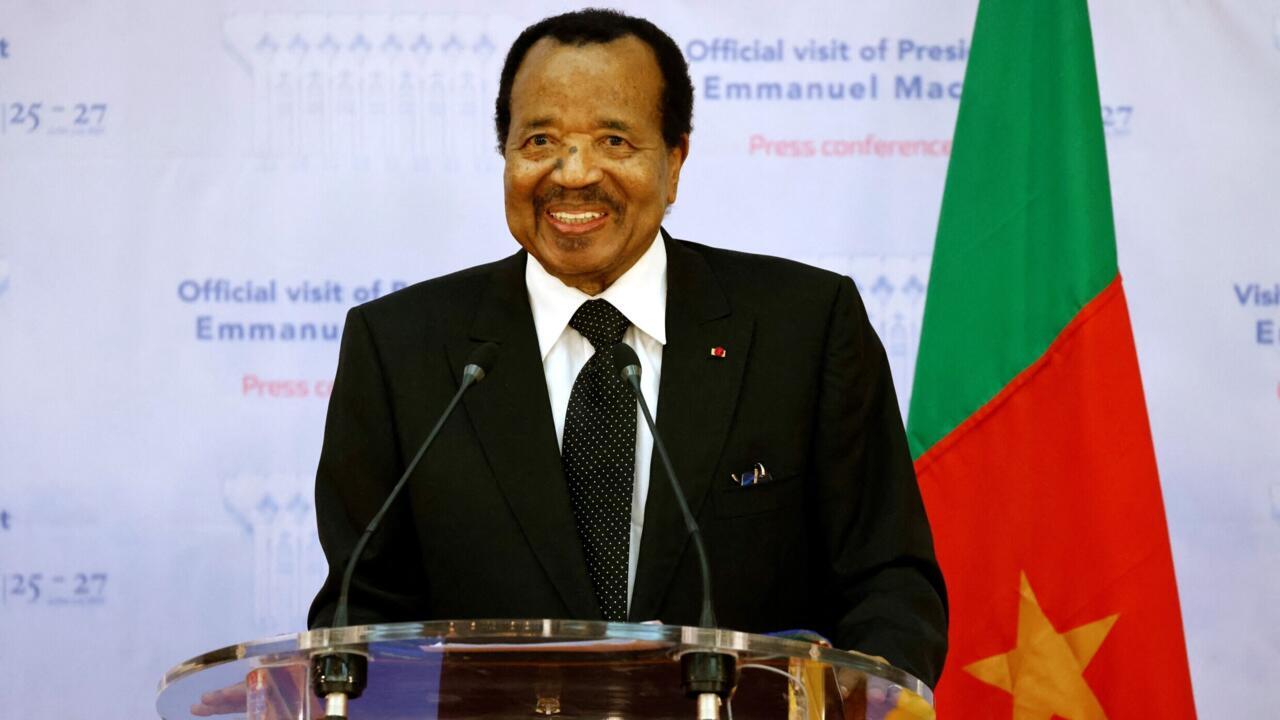
President Paul Biya, age 92, has officially been declared the winner of Cameroon’s presidential election — again. The country’s Constitutional Council announced that Biya secured 53.66 percent of the vote in the October 12 poll, extending his rule that began in 1982.
His main opponent, Issa Tchiroma, a former government minister now in his late 70s, received 35.19 percent — though he had already declared himself the winner days before official results were released. The rest of the nation, meanwhile, appears to have declared itself exhausted.
A Familiar Ending
In Douala, Cameroon’s largest city, protests erupted as opposition supporters demanded credible results. Security forces clashed with demonstrators, leaving at least four people dead. Yet for many Cameroonians, the outcome felt less like a democratic process and more like the latest episode in a decades-long political rerun.
At 92, Biya remains one of the world’s longest-serving leaders — his presidency has outlived most African regimes, multiple French presidents, and even several versions of Cameroon’s own constitution. But according to officials, he’s still the people’s choice.
A Nation Waiting for Renewal
Cameroon’s younger generation — most of whom were born long after Biya first took office — are demanding change, transparency, and a chance to shape their nation’s future. But with the political machinery deeply entrenched, many fear their voices continue to be muffled by a system designed to protect power, not progress.
Still, Biya’s re-election underscores a deeper truth about Africa’s political crossroads. While many nations are embracing democratic renewal and youth leadership, some leaders are still holding on like Wi-Fi in a storm — weak connection, but refusing to disconnect.
What This Means for Africa
For Africa’s emerging democracies, Cameroon’s situation serves as both a warning and a lesson. True progress requires institutions stronger than individuals, leaders humble enough to step aside, and citizens empowered to choose without fear.
Africa’s youth are watching, learning, and organizing. The future may not arrive overnight — but one thing is certain: the continent’s next generation is not waiting 43 years to be heard.