

|
Getting your Trinity Audio player ready...
|
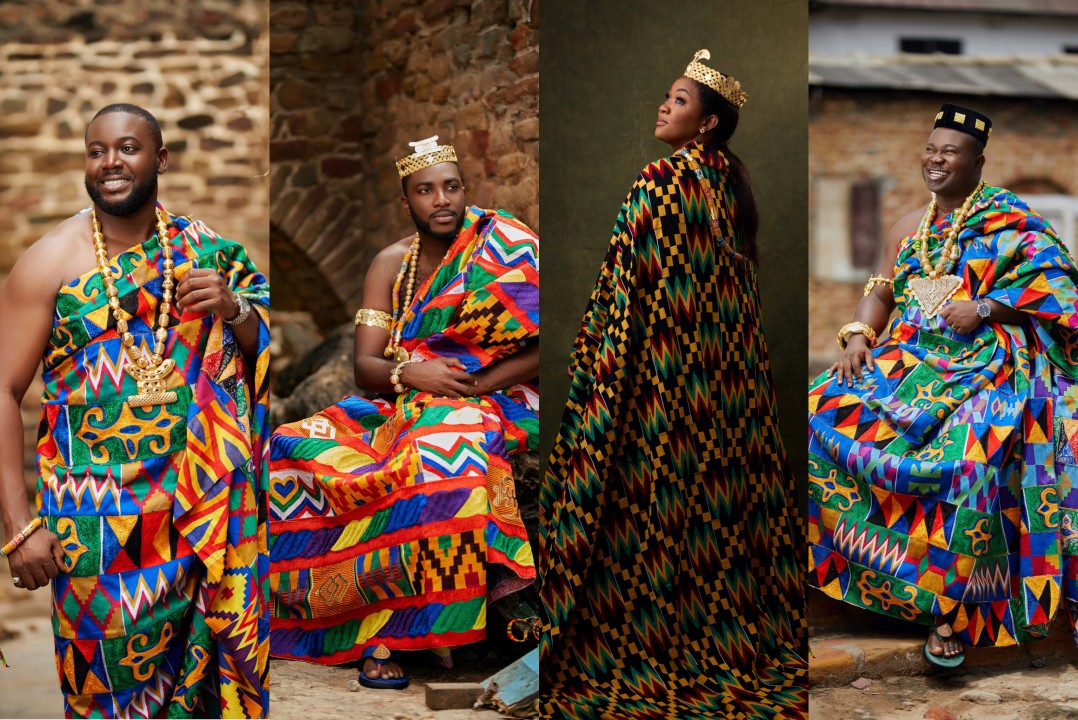
Ghana is taking a historic step to legally protect Kente, the centuries-old handwoven cloth that has long symbolized African royalty, heritage, and identity. The government is moving to secure intellectual property and geographical indication (GI) status for the iconic textile—making Kente not just a cultural treasure, but a legally protected national asset.
The move, announced after Kente’s inscription on UNESCO’s Intangible Cultural Heritage list in December 2024, aims to prevent the uncredited use of the fabric by global brands and ensure that local weavers benefit from royalties and recognition when Kente patterns appear on international runways.
Decolonising Design Through Law
For decades, global fashion houses have borrowed freely from Africa’s aesthetic legacy—using prints, beadwork, and weaves inspired by Ghana, Nigeria, Kenya, and Tanzania—often without acknowledgment or compensation.
Ghana’s decision challenges this cycle, demanding that global brands engage fairly with the origins of their inspiration.
If successful, Kente could become the first African textile protected under WIPO and WTO frameworks, joining the ranks of Champagne and Darjeeling tea in terms of global trade recognition.
Creative Freedom or Cultural Fairness?
The debate is dividing the fashion world. Some designers fear tighter rules could restrict artistic exchange, while others see it as a long-overdue reckoning with cultural exploitation. Ghana’s Ministry of Tourism says the law is not meant to limit creativity but to restore ownership and dignity to communities whose heritage fuels billion-dollar industries.
This development could also push luxury labels to negotiate co-branding deals or collaborate directly with Ghanaian cooperatives—a model that supports authenticity while boosting local economies.
A Model for the Continent
Kente’s legal protection could inspire similar efforts across Africa. Nigeria’s Aso-Oke and Adire, Kenya’s Maasai beadwork, and Tanzania’s Khanga could all follow suit, creating a unified front for African cultural IP protection.
Such measures could finally ensure that heritage becomes an economic engine, not just a fashion statement.
The Voice of Africa Says
From the looms of Bonwire to the runways of Paris, Kente has always told a story of resilience, craftsmanship, and pride.
Now, Ghana is rewriting that story—this time in law.
As Africa reclaims its creativity, the world will have to learn a new rule: our culture is not free to copy—it’s priceless to respect.